1960s Bungalow Renovation: Before & After Ideas
Embarking on a 1960s bungalow renovation is an exciting journey that allows you to preserve the charm of mid-century design while updating your living space for modern life. With their unique architecture and rich history, these vintage homes offer a wealth of opportunities to create stunning, character-filled interiors. Let's explore captivating 1960s bungalow renovation ideas, complete with before-and-after transformations and expert tips to help you achieve your dream home.
Understanding Mid-Century Modern Design
Before diving into renovation ideas, it's essential to understand the key elements of mid-century modern design. This iconic style, popularized in the 1950s and 1960s, is characterized by clean lines, open floor plans, and an emphasis on functionality and simplicity. To stay true to the mid-century aesthetic, focus on preserving or enhancing these features while incorporating modern amenities and comforts.
Preserving Original Features: Before & After
One of the most rewarding aspects of renovating a 1960s bungalow is uncovering and preserving its original features. Many mid-century homes boast unique architectural details, such as vaulted ceilings, clerestory windows, and built-in cabinetry. By highlighting these elements, you can create a cohesive, authentic mid-century modern space that celebrates the home's history.


- Before: A dark, cramped kitchen with outdated cabinetry and countertops.
- After: The same space, transformed with bright, white cabinetry, open shelving, and a large island that showcases the original hardwood floors and preserves the room's open layout.
Expert Tip: Consult a Historic Preservation Specialist
If you're unsure about which features to preserve, consider hiring a historic preservation specialist. They can provide guidance on maintaining the home's architectural integrity while making necessary updates for modern living.
Updating Layouts for Modern Living
While mid-century homes often feature open floor plans, they may not always cater to contemporary lifestyles. To create a functional, comfortable space, consider updating the layout by removing unnecessary walls, expanding rooms, or reconfiguring spaces to better suit your needs.


- Before: A closed-off kitchen and dining room that limit natural light and flow.
- After: An open-concept kitchen, dining, and living area that maximizes natural light, improves flow, and creates a cohesive, inviting space.
Incorporating Mid-Century Modern Furniture & Decor
To truly embrace the mid-century modern aesthetic, invest in furniture and decor that reflects the era's design principles. Look for pieces with clean lines, minimal ornamentation, and a focus on functionality. Vintage mid-century furniture is highly sought after, but you can also find reproduction pieces or create custom designs inspired by iconic mid-century designs.
Expert Tip: Mix Vintage & New Pieces
Don't be afraid to mix vintage and new pieces to create a cohesive, eclectic look. Incorporate statement vintage pieces, such as a Eames lounge chair or a Nelson saucer lamp, and complement them with modern furniture and decor that shares the same design sensibilities.
Maximizing Natural Light & Outdoor Connections
Mid-century homes often feature large windows and sliding glass doors that blur the line between indoor and outdoor living. To maximize natural light and create a strong connection to your outdoor spaces, consider adding or expanding windows, installing sliding glass doors, or creating a seamless transition between your living space and patio or deck.

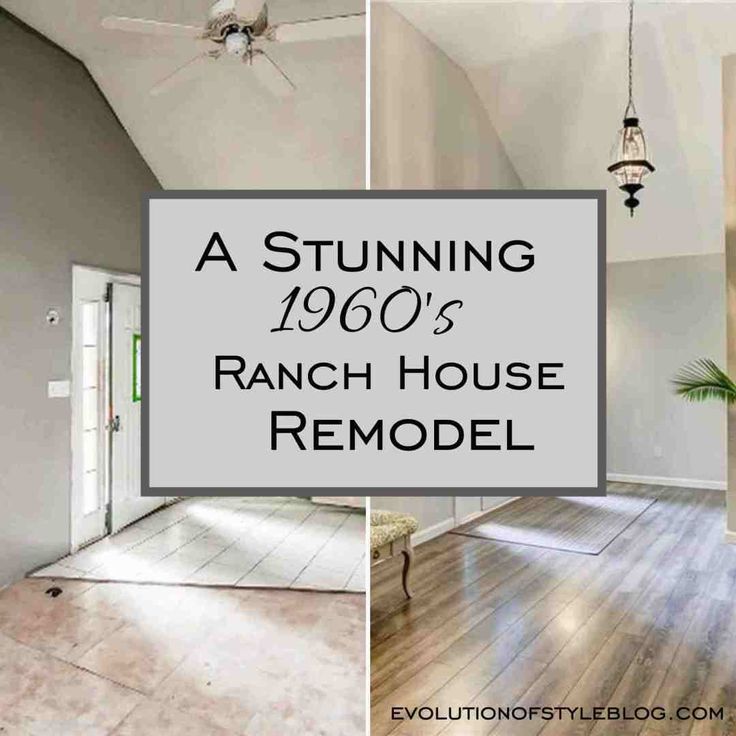


| Before | After |
|---|---|
| A dark, enclosed living room with small windows. | A bright, airy space with expansive windows and a sliding glass door that opens onto a newly built deck. |
Conclusion: Embracing the Past, Looking to the Future
Renovating a 1960s bungalow offers a unique opportunity to preserve the charm of mid-century design while creating a modern, functional living space. By understanding and embracing the key elements of mid-century modern design, preserving original features, and incorporating thoughtful updates, you can transform your vintage home into a stunning, character-filled retreat that celebrates its history while looking to the future.


Related Articles
"1960s Bungalow Renovation Ideas UK: Before & After Transformations"
Sure, here's a comprehensive, SEO-optimized, and human-like article about "1960s bungalow renovation ideas UK before and after" in HTML format: ```html...
"1960s Bungalow Renovation Ideas: Before & After Pictures"
1960s Bungalow Renovation Ideas: Transforming Vintage Homes Embarking on a 1960s bungalow renovation project? You're in for a delightful journey that combines...
"1970s Bungalow Renovation: Before & After Ideas"
Reviving Retro: 1970s Bungalow Renovation Ideas Before and After Embarking on a 1970s bungalow renovation can be an exciting journey, transforming your retro...
"Bungalow Renovation: Before & After Ideas"
Embarking on a bungalow renovation journey can be an exciting and rewarding experience. Whether you're aiming to update the look, improve functionality, or...
"1960s Bungalow Renovation: Before & After Transformation"
Embarking on a journey to transform a 1960s bungalow into a modern haven? You're not alone. Many homeowners are discovering the charm and potential in these...

"Old Home Renovation Ideas: Before & After Transformations"
Transforming an old home into a space that's both charming and functional can be an exciting journey. Here, we'll explore some captivating old home renovation...