"2025 Modern Home Interior Design Trends: Your Future Living Space"
As we step into the mid-2020s, modern home interior design is evolving, reflecting our changing lifestyles, technological advancements, and a growing appreciation for sustainability. This article explores the key trends and elements that will define 2025 modern home interiors, creating spaces that are not only aesthetically pleasing but also functional, eco-friendly, and technologically integrated.
Sustainable Materials and Eco-Conscious Design
In 2025, sustainability will be at the forefront of modern home interior design. We'll see a shift towards eco-friendly materials like recycled glass, reclaimed wood, and sustainable fabrics. Biophilic design, which integrates nature and natural elements into the built environment, will continue to gain traction, promoting well-being and reducing our carbon footprint.
Expect to see more energy-efficient appliances, LED lighting, and smart home systems that optimize energy usage. Sustainable design isn't just about the materials; it's also about durability and longevity. In 2025, we'll be investing in pieces that stand the test of time, both in terms of style and quality.


Multifunctional Spaces and Adaptable Design
The COVID-19 pandemic has accelerated the trend towards multifunctional spaces, and this will continue to shape modern home interiors in 2025. Open-plan living will remain popular, but we'll see more flexible, adaptable spaces that can be easily transformed to suit different needs. Think modular furniture, sliding partitions, and built-in storage solutions that maximize space and minimize clutter.
Home offices, gyms, and wellness spaces will continue to be in demand, reflecting our changing work and leisure habits. We'll also see more spaces designed for remote learning, as education continues to evolve in the digital age.


Modular and Adaptable Furniture
- Transforming furniture: pieces that serve multiple purposes, such as sofa beds, ottomans with built-in storage, and extendable dining tables.
- Modular systems: customizable furniture that can be reconfigured to suit different needs and spaces.
- Multifunctional pieces: items that combine multiple functions, like a desk that doubles as a vanity or a bookshelf that hides a TV.
Smart Home Technology Integration
By 2025, smart home technology will be seamlessly integrated into our daily lives, making our homes not just smart, but intuitive. Voice assistants like Amazon Alexa and Google Home will be even more sophisticated, capable of learning our routines and anticipating our needs. We'll see more smart appliances, from refrigerators that order groceries to ovens that preheat based on our schedules.
Smart home security will also advance, with facial recognition, motion sensors, and AI-powered cameras becoming more common. However, there will be a greater emphasis on privacy and data security, with more options for local, offline processing of data.
Color and Texture: A Return to Nature
In 2025, we'll see a return to nature-inspired color palettes and textures. Earthy tones like greens, blues, and terracotta will dominate, reflecting our desire to connect with the natural world. Organic shapes and textures will also be popular, from woven rugs and textured wall coverings to sculptural lighting and furniture.


Biophilic design will influence not just the colors and textures we choose, but also the materials. Expect to see more natural stone, wood, and metal, as well as organic materials like cork and rattan.
Outdoor Living Spaces
The line between indoor and outdoor living will continue to blur in 2025. We'll see more homes with seamless transitions between the two, thanks to large windows, sliding doors, and open-plan layouts. Outdoor living spaces will be more than just patios or decks; they'll be fully functional extensions of our homes, with comfortable seating, dining areas, and even outdoor kitchens.
Smart technology will also make its way outdoors, with weatherproof speakers, lighting, and even outdoor TVs. Plants and greenery will play a central role in these spaces, not just as decoration, but as a key element of biophilic design.


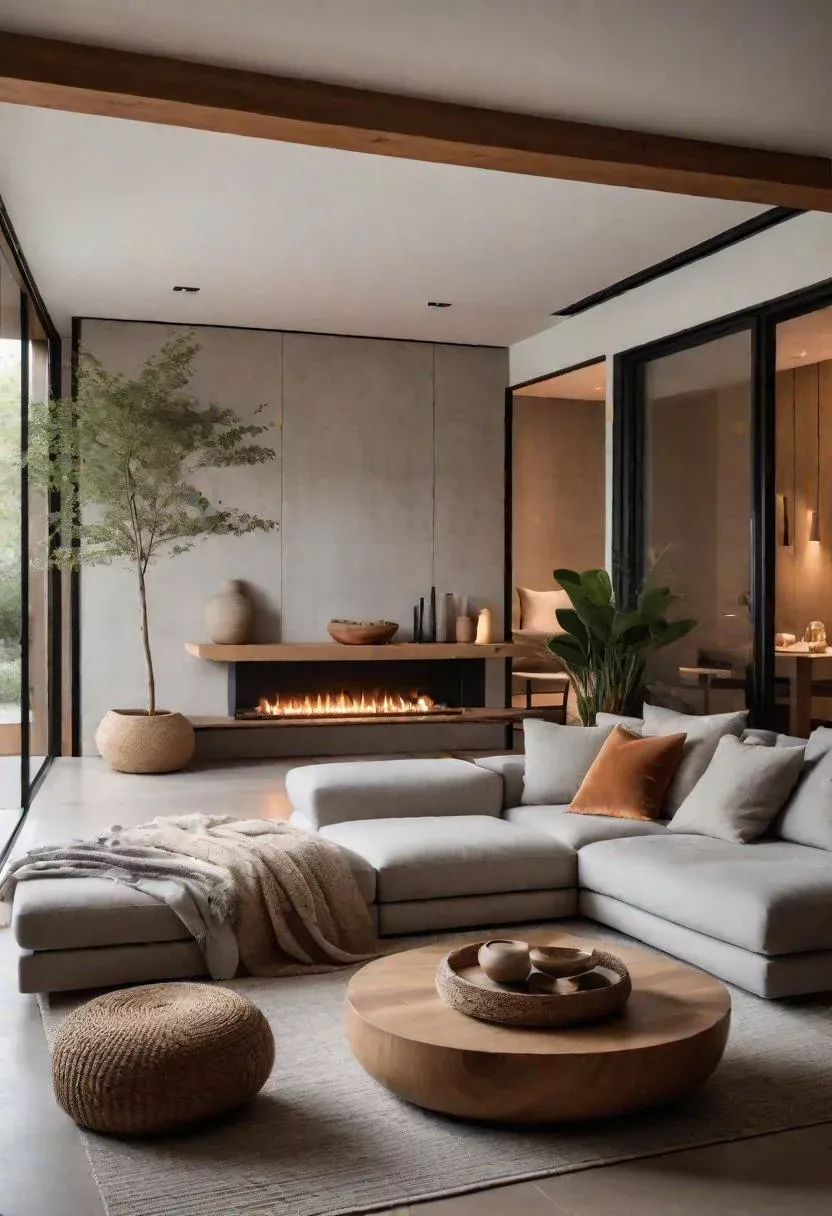


As we look ahead to 2025, it's clear that modern home interior design is about more than just aesthetics. It's about creating spaces that support our well-being, reflect our values, and adapt to our changing needs. By embracing sustainability, multifunctionality, and smart technology, we can create homes that are not just beautiful, but also intelligent, efficient, and deeply personal.
Related Articles

"Kitchen Interior Design Trends 2025: Innovative Ideas for Your Dream Space"
As we step into the future of home design, the kitchen remains the heart of the home, evolving to meet our changing lifestyles. In 2025, expect to see kitchen...

Modernize Your Space: Top Trends in Home Decor
Revolutionize Your Space: Modern Decorations for a Stylish Home In the dynamic world of interior design, staying modern is not just a choice, but a necessity...

"Revolutionize Your Sleep Space: Top Bedroom Interior Design Ideas for 2025"
As we step into the future of home design, let's explore some innovative and sustainable bedroom interior design ideas that are set to dominate the scene in...

"Modern Kitchen Decor Trends 2025: Inspiring Ideas for Your Dream Space"
As we step into the future of home design, the modern kitchen is evolving to be not just a space for cooking, but a hub for living, working, and entertaining...

"Interior House Color Ideas 2025: Fresh Trends for Your Home"
As we step into the future, the world of interior design is abuzz with exciting trends that promise to transform our living spaces. With 2025 just around the...

"Revolutionize Your Space: Top House Interior Design Ideas for 2025"
As we step into the future of home living, the interior design landscape is evolving to reflect our changing lifestyles, technological advancements, and...