"Alcove: Your Cozy Space Solution"
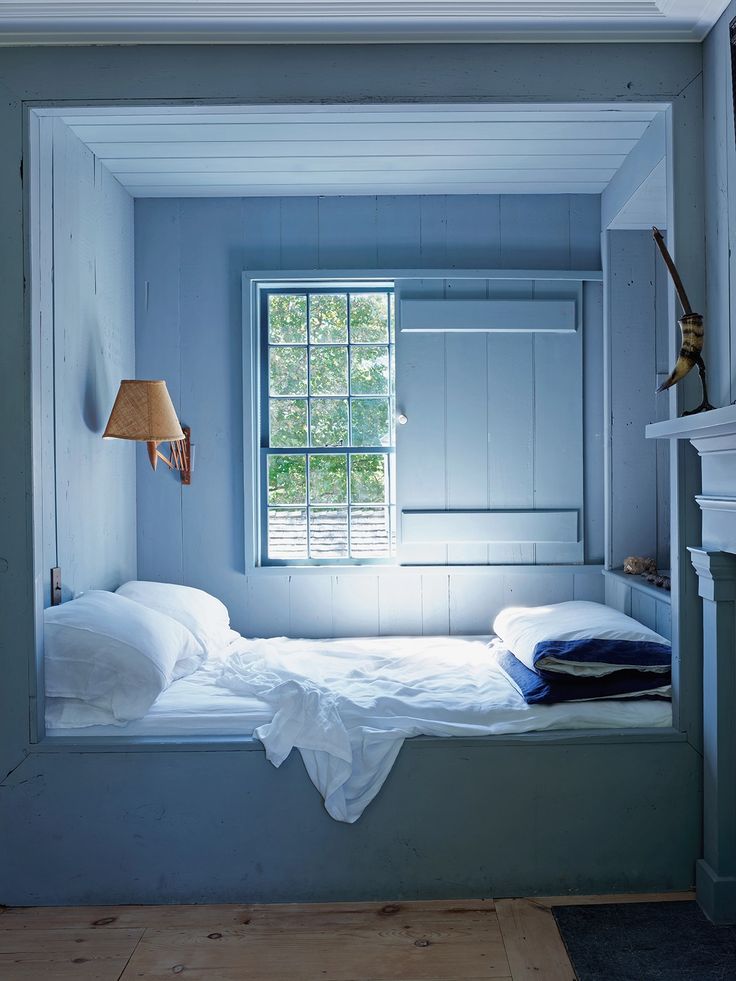
An alcove, derived from the French word 'alcôve', is a small, recessed space or cavity in a building. It's often used to create a cozy, intimate atmosphere or to maximize space in a room. Alcoves can serve various purposes, from displaying art to housing a comfortable reading nook. Let's delve into the world of alcoves, exploring their history, types, and design ideas.
History and Evolution of Alcoves
Alcoves have been an integral part of architecture since ancient times. The earliest examples can be found in Greek and Roman architecture, where they were used to house statues or serve as a space for relaxation. In medieval Europe, alcoves were often used as private spaces for prayer or reflection. Over time, alcoves have evolved to serve a wide range of functions in modern homes and offices.
Types of Alcoves
Alcoves can be categorized into several types based on their design and function:


- Window Alcoves: These are created by a bay window protruding from the exterior wall, creating a cozy, sunlit space.
- Stair Alcoves: Found under staircases, these spaces can be transformed into storage areas, offices, or playrooms.
- Built-in Alcoves: These are constructed as part of the room's design, often housing bookcases, fireplaces, or seating areas.
- Wet Alcoves: Typically found in bathrooms, these alcoves house sinks, showers, or bathtubs.
Design Ideas for Alcoves
Alcoves can be transformed into functional and stylish spaces with a bit of creativity. Here are some design ideas:
Home Office Nook
Turn an alcove into a productive workspace by installing a desk and shelves. Add a comfortable chair and a task lamp for optimal lighting.


Reading Nook
Create a cozy reading corner with built-in seating, shelves for books, and warm lighting. Add a rug and pillows to make it inviting.
Art Display
Use an alcove to showcase your art collection. Install floating shelves or a gallery wall, and add accent lighting to highlight the pieces.
Storage Solutions
Maximize storage in a small space by installing shelves, cabinets, or a Murphy bed in an alcove. This can help keep clutter at bay and make the room feel more spacious.


Alcove Design Considerations
When designing an alcove, consider the following factors:
| Factor | Considerations |
|---|---|
| Size | Measure the alcove's dimensions to ensure any furniture or design elements fit comfortably. |
| Lighting | Consider natural light and supplement with artificial lighting to create a well-lit space. |
| Function | Determine the alcove's purpose and design accordingly. |
| Style | Choose design elements that complement the room's overall aesthetic. |
Incorporating alcoves into your home or office design can add character, functionality, and style. With the right design, an alcove can become a favorite space in your home, offering a cozy retreat from the world.




Related Articles

Victorian Living Room Alcove Ideas: Transform Your Space
Embracing the charm and elegance of the Victorian era in your living room design can create a timeless and inviting space. One often overlooked aspect of...

"Living Room Blanket Ideas: Cozy Up Your Space"
The living room, often the heart of the home, is where we relax, entertain, and create lasting memories. A well-chosen blanket not only adds comfort but also...

"Small Space, Big Ideas: Transform Your Basement into a Cozy Retreat"
Transforming a small basement into a functional and inviting space can seem like a daunting task, but with the right ideas and strategies, you can unlock its...

"Electric Fireplace & Built-in Bookshelves: Cozy Ideas for Your Space"
Imagine transforming your living space into a cozy, inviting haven that's not only warm and inviting but also stylish and functional. An electric fireplace...
"Maximize Your Space: Creative Ideas for Empty Alcoves"
An empty alcove can be a blank canvas, waiting for your creative touch to transform it into a functional and stylish space. Whether it's in your living room...
"Small Alcove Decor Ideas: Maximize Your Space"
Nestled within the heart of your home, an alcove presents a unique opportunity to create a cozy, personalized space that's both functional and visually...