Backyard Golf Green Designs: Transform Your Yard into a Mini Golf Course
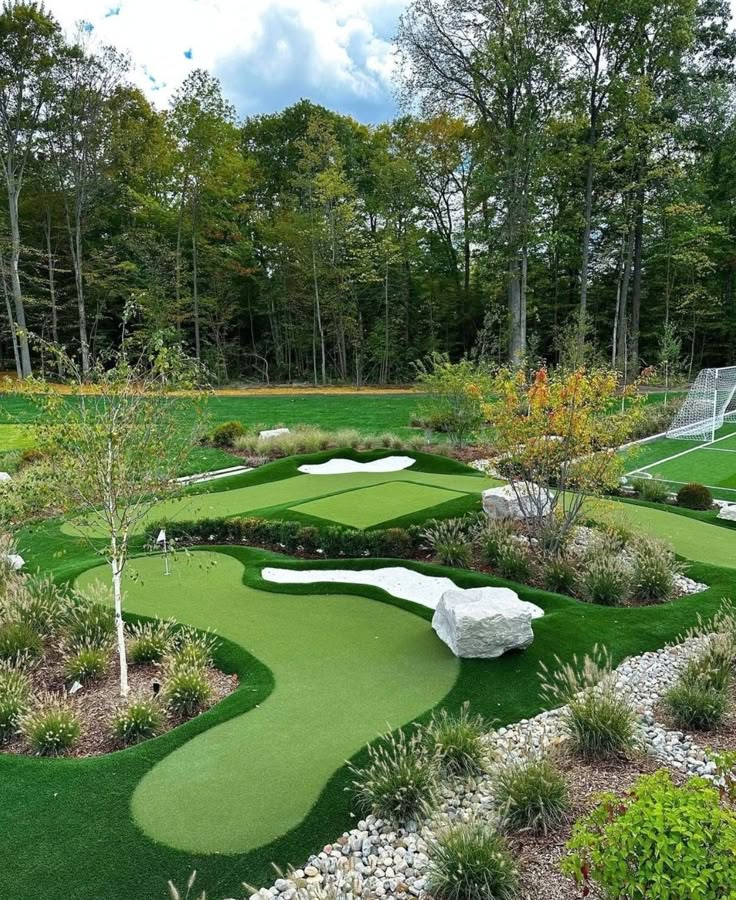
Transform your backyard into a golfer's paradise with meticulously designed backyard golf greens. Whether you're a seasoned golfer looking to improve your short game or a homeowner seeking to enhance your property's aesthetics, a well-designed backyard golf green can serve multiple purposes. This guide will delve into the intricacies of backyard golf green designs, helping you create the perfect putting surface tailored to your needs and space.
Understanding Backyard Golf Green Designs
Backyard golf green designs encompass various elements, from the size and shape of the green to the type of grass and drainage systems. A well-designed green not only looks appealing but also provides a challenging and enjoyable golfing experience. Before diving into design aspects, consider these factors:
- Space: Assess the available space in your backyard to determine the size and number of greens you can accommodate.
- Budget: Establish a budget that covers materials, labor, and maintenance costs.
- Skill level: Consider your golfing skill level and the types of shots you want to practice when designing your greens.
Designing the Perfect Green Size and Shape
The size and shape of your backyard golf green significantly impact the types of shots you can practice. Here are some popular green sizes and shapes:


| Green Size | Green Shape | Practice Shots |
|---|---|---|
| 6,000 - 8,000 sq. ft. | Rectangular or square | Long putts, approach shots |
| 4,000 - 6,000 sq. ft. | Oval or kidney-shaped | Various putts, chipping, and pitching |
| 2,000 - 4,000 sq. ft. | Circular or irregular shapes | Short putts, lag putting, and basic chipping |
When designing the green's shape, consider incorporating contours and undulations to create more challenging shots. You can also add features like bunkers, water hazards, or mounds to further enhance the golfing experience.
Choosing the Right Grass Type
Selecting the appropriate grass type for your backyard golf green is crucial for maintaining a healthy, lush putting surface. Popular choices include:


- Bermudagrass: A warm-season grass that thrives in sunny, humid climates. It's known for its excellent wear tolerance and fast recovery.
- Kentucky bluegrass: A cool-season grass that grows well in northern regions. It provides a dense, fine-textured turf with good wear resistance.
- Bentgrass: A cool-season grass commonly used on professional golf courses. It offers a smooth, fast putting surface but requires more maintenance than other options.
Ensuring Proper Drainage and Irrigation
A well-designed drainage system is essential for maintaining a healthy green and preventing waterlogging. Install a French drain or a network of perforated pipes beneath the green to facilitate water runoff. Additionally, implement an efficient irrigation system to keep the green adequately hydrated during dry periods.
Maintaining Your Backyard Golf Green
Proper maintenance is vital for preserving the quality and appearance of your backyard golf green. Regular tasks include:
- Mowing the green to maintain a consistent height and promote healthy growth
- Fertilizing and aerating the green to enhance soil health and nutrient absorption
- Controlling pests and diseases through regular inspections and targeted treatments
- Repairing divots and ball marks to maintain a smooth putting surface
By investing time and effort into designing and maintaining your backyard golf green, you'll create a personalized golfing oasis that caters to your unique preferences and skill level. Embrace the opportunity to enhance your golfing abilities while transforming your backyard into a visually appealing and functional space.




Related Articles

"Backyard Turf Putting Green Ideas: Transform Your Yard into a Mini Golf Oasis"
Transform your backyard into a golfer's paradise with these creative and practical backyard turf putting green ideas. Whether you're a seasoned golfer or just...
"Backyard Golf Putting Green Ideas: Transform Your Yard into a Mini Golf Oasis"
Transform your backyard into a golfer's paradise with these creative and functional backyard golf putting green ideas. Whether you're a seasoned golfer looking...
"Backyard Putting Green Landscape Ideas: Transform Your Yard into a Golf Oasis"
Transforming your backyard into a golfer's paradise is easier than you think. With a bit of creativity and the right landscaping ideas, you can create a...

"Golf Room Decor Ideas: Transform Your Space into a Green Oasis"
Transform your space into a golfer's paradise with captivating golf room decorations that celebrate your passion for the game. Whether you're designing a man...

"Backyard Chipping Green DIY: Create Your Own Mini Golf Oasis"
Backyard Chipping Green DIY: Create Your Own Golf Oasis Transform your backyard into a golfer's paradise with a DIY chipping green. This project allows you to...

"Creating Your Own Backyard Golf Green: A Step-by-Step Guide"
Dreaming of perfecting your short game without leaving home? Creating a backyard golf green can transform your outdoor space into a personal putting paradise...