"Cedar for Indoor Furniture: Can You Use It & Should You?"
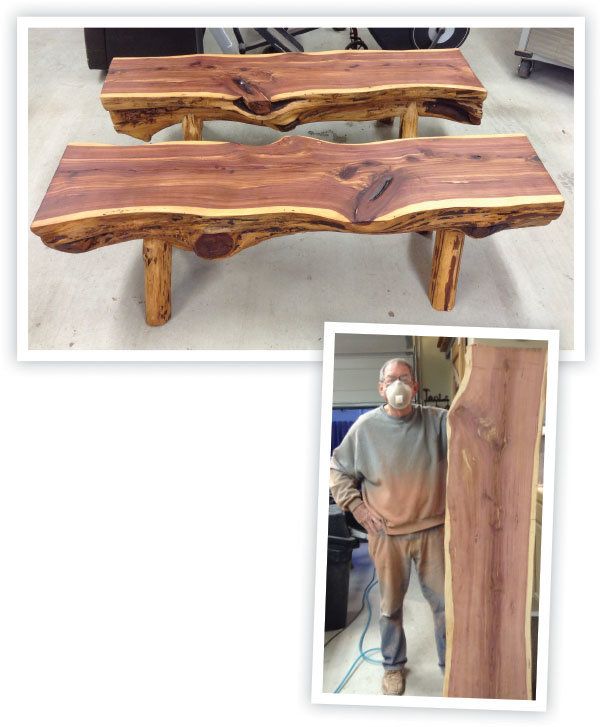
Cedar, a popular choice for outdoor furniture due to its natural resistance to rot and pests, often raises the question: can you use cedar for indoor furniture? The short answer is yes, but with some considerations. Let's delve into the pros, cons, and best practices of using cedar for indoor furniture.
Understanding Cedar for Indoor Use
Cedar, particularly Western Red Cedar, is a versatile wood species known for its durability, beauty, and unique scent. Its natural oils make it resistant to moisture, decay, and insects, which are the primary reasons it's often used outdoors. However, these properties also make it a suitable choice for indoor furniture, given the right conditions.
Pros of Using Cedar for Indoor Furniture
- Durability: Cedar's natural resistance to moisture and decay means it can last longer than other woods in indoor environments with varying humidity levels.
- Unique Aroma: Cedar's distinctive scent can help freshen indoor spaces and may even deter moths and other pests.
- Beauty: Cedar has a striking grain pattern and warm, inviting color that can add a touch of rustic charm to any room.
Cons of Using Cedar for Indoor Furniture
- Shrinkage and Swelling: Cedar can expand and contract with changes in humidity, which may cause furniture to warp or crack over time. This is more noticeable in indoor environments with less consistent humidity levels.
- Allergies: Some people may have allergic reactions to cedar dust, which can be released during sanding or cutting. Always wear a mask when working with cedar.
- Finish Issues: Cedar's natural oils can interfere with the adhesion of some finishes, making it more challenging to stain, paint, or seal.
Best Practices for Using Cedar Indoor Furniture
To maximize the lifespan and beauty of your cedar indoor furniture, consider the following:


- Keep humidity levels consistent. Maintain indoor humidity between 30-50% to minimize expansion and contraction.
- Allow the wood to acclimate. Let your cedar furniture sit in the room where it will be used for a week or two before applying a finish.
- Use appropriate finishes. Opt for finishes designed for cedar, such as oil-based stains or sealers, to help protect the wood and enhance its natural beauty.
- Regularly inspect and maintain. Check your cedar furniture regularly for signs of warping, cracking, or finish wear. Touch up as needed.
Cedar Alternatives for Indoor Furniture
If you're concerned about the potential drawbacks of cedar, consider these alternatives:
| Wood Species | Pros | Cons |
|---|---|---|
| Kiln-Dried Hardwoods (e.g., Maple, Oak, Cherry) | Stability, durability, and wide range of finishes | More susceptible to moisture and decay without proper treatment |
| Engineered Wood Products (e.g., Plywood, MDF) | Stability, consistency, and ease of use | Less durable than solid wood, and may not have the same aesthetic appeal |
In conclusion, while cedar can be used for indoor furniture with the right precautions, it's essential to understand its unique properties and maintenance requirements. By doing so, you can enjoy the beauty and durability of cedar furniture in your home for years to come.



Related Articles
"Is Cedar Ideal for Indoor Furniture?"
Cedar: A Timeless Choice for Indoor Furniture When it comes to choosing the right wood for indoor furniture, cedar often tops the list due to its durability...

"Best Finish for Cedar Indoor Furniture: Top Picks & Guide"
Best Finish for Cedar Indoor Furniture Cedar, renowned for its durability, resistance to rot, and pleasant aroma, is a popular choice for indoor furniture. To...

"Create Purr-fect Indoor Cat Tree: DIY Guide"
Introduction to Building Your Own Indoor Cat Tree Creating a DIY indoor cat tree is an excellent way to provide your feline friend with a stimulating...

"Indoor Party Games for Adults: Reddit's Best Picks"
Are you planning a party for adults and looking for some engaging indoor games? Look no further! We've compiled a list of the best indoor party games for...

"Indoor Pothos: Climbing Beauty for Your Space"
Harnessing the Power of Nature: Indoor Pothos Climbing In the realm of indoor gardening, few plants are as versatile and low-maintenance as the Pothos...

"Where to Place Your Desk in Your Room: Expert Tips"
When it comes to setting up your home office, one of the most important decisions you'll make is where to place your desk. The location of your desk can...