"Cheapest Bird Feed Options: A Budget-Friendly Guide"
Attracting birds to your garden or backyard can be a rewarding experience, bringing life and color to your outdoor space. However, feeding birds can sometimes come at a cost. If you're looking for the cheapest ways to feed our feathered friends, you're in the right place. This guide will explore the most affordable bird feeding options, ensuring you can enjoy the delightful company of birds without breaking the bank.
Understanding Bird Feeding Costs
Before we dive into the cheapest bird feeding options, it's essential to understand what contributes to the cost of bird food. High-quality seeds, suet cakes, and specialized feeders can indeed be expensive. However, there are many affordable alternatives that can still attract a variety of birds. Let's explore these options.
Cheapest Bird Food Options
Black Oil Sunflower Seeds
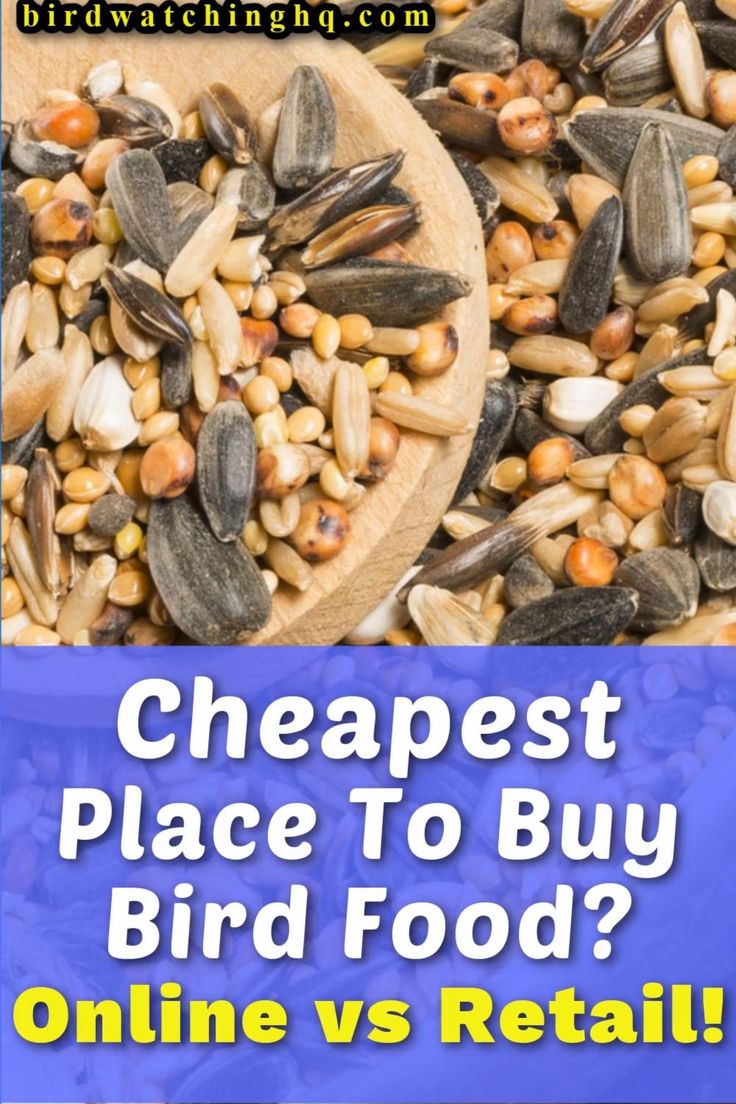
Black oil sunflower seeds are a favorite among many bird species and are relatively inexpensive, especially when bought in bulk. They have a high meat-to-shell ratio, making them an efficient food source for birds. You can find them in most pet stores, feed supply stores, or online retailers at competitive prices.


Stale Bread
An unexpected but effective option, stale bread can be a cheap and easy way to feed birds. Crumble the bread into small pieces and scatter it on the ground or in a tray feeder. While not as nutritious as other options, it can still attract a variety of birds, including sparrows, pigeons, and doves. Just ensure the bread is truly stale and not moldy.
Oats
Plain, uncooked oats are another affordable bird food option. You can mix them with water to create a porridge-like consistency or simply scatter them on the ground. Oats are high in protein and can attract a variety of birds, including mourning doves, juncos, and sparrows.


Fruits and Nuts
Fruits and nuts can be a cheap and nutritious way to feed birds, especially during the winter months when natural food sources are scarce. Apples, bananas, and oranges can be placed on a platform feeder or hung from a tree, while nuts like peanuts and almonds can be offered in a feeder designed for them. Just ensure to remove any moldy or spoiled fruits to prevent illness.
DIY Bird Feeders and Feeding Stations
Creating your own bird feeders and feeding stations can be a cost-effective way to feed birds. Here are a few ideas:
- Suet Cakes: Make your own suet cakes using rendered fat, oats, and seeds. This can be a cheaper alternative to store-bought suet cakes and can attract a variety of birds, including woodpeckers, nuthatches, and wrens.
- Fruit Feeder: Create a simple fruit feeder using a mesh onion bag or a plastic container with holes punched in it. Fill it with fruits like apples, oranges, or berries to attract fruit-loving birds.
- Platform Feeder: Use a shallow tray or a large plate as a platform feeder. This can be filled with a variety of foods, including seeds, fruits, and nuts, and can attract a wide range of birds.
Comparing Bird Feeding Costs
To give you an idea of the cost difference between cheap and expensive bird feeding options, here's a simple comparison:


| Bird Food | Cost per Pound | Birds Attracted |
|---|---|---|
| Black Oil Sunflower Seeds (Bulk) | $0.50 - $1.00 | Many species, including cardinals, finches, and chickadees |
| Stale Bread | $0.25 - $0.50 per loaf | Sparrows, pigeons, doves, and other ground-feeding birds |
| Oats | $0.25 - $0.50 per pound | Doves, juncos, sparrows, and other seed-eating birds |
| Nyjer (Thistle) Seeds | $2.00 - $4.00 per pound | Finches, pine siskins, and other small, seed-eating birds |
| Peanut Butter | $2.00 - $4.00 per jar | Woodpeckers, nuthatches, and other tree-clinging birds |
As you can see, the cheapest bird feeding options can still attract a wide variety of birds, making them an excellent choice for budget-conscious bird enthusiasts.
Tips for Saving Money on Bird Feeding
Here are some additional tips to help you save money on bird feeding:
- Buy in bulk: Purchasing bird food in bulk can significantly reduce the cost per pound.
- Monitor your feeders: Keep an eye on your feeders to ensure birds are eating the food you provide. If food is consistently left uneaten, you may need to adjust the type of food or the feeder design.
- Clean your feeders: Regularly cleaning your feeders can help prevent the growth of mold and bacteria, which can make birds sick and waste food.
- Plant native plants: Attracting birds to your yard doesn't always require feeders. Planting native plants can provide natural food sources and habitat for birds.
By following these tips and exploring the affordable bird feeding options outlined in this guide, you can enjoy the delightful company of birds without breaking the bank. Happy birding!


Related Articles

"Cheapest Catering Options: A Budget-Friendly Guide"
When it comes to catering, cost is often a significant factor. While everyone wants to impress their guests with delicious food and stunning presentation, not...

"What's the Cheapest Chicken Feed: Budget-Friendly Options"
When it comes to raising chickens, one of the most significant expenses is feed. However, there are several cost-effective ways to feed your chickens without...

"Cheapest Wall Paneling Options: A Budget Guide"
Understanding the Cost of Paneling: A Comprehensive Guide to Affordable Options When it comes to home improvement projects, cost is often a significant factor...

" How to Build a Bird Roosting Box: DIY Guide
How to Make a Roosting Box for Birds Attracting birds to your backyard can be a rewarding experience, and providing them with a safe and comfortable roosting...
"Cheapest Wall Board Options: A Cost-Effective Guide"
When it comes to home improvement, one of the most cost-effective ways to update your space is by installing wall board. But with so many options available, it...

"Cheapest Garage Floor Ideas: Budget-Friendly Options"
When it comes to upgrading your garage, one of the most cost-effective ways to enhance its functionality and appearance is by installing a new floor. However...