"Classic Antipasto Pasta Salad: A Timeless Italian Favorite"
Classic Antipasto Pasta Salad: A Timeless Italian Favorite
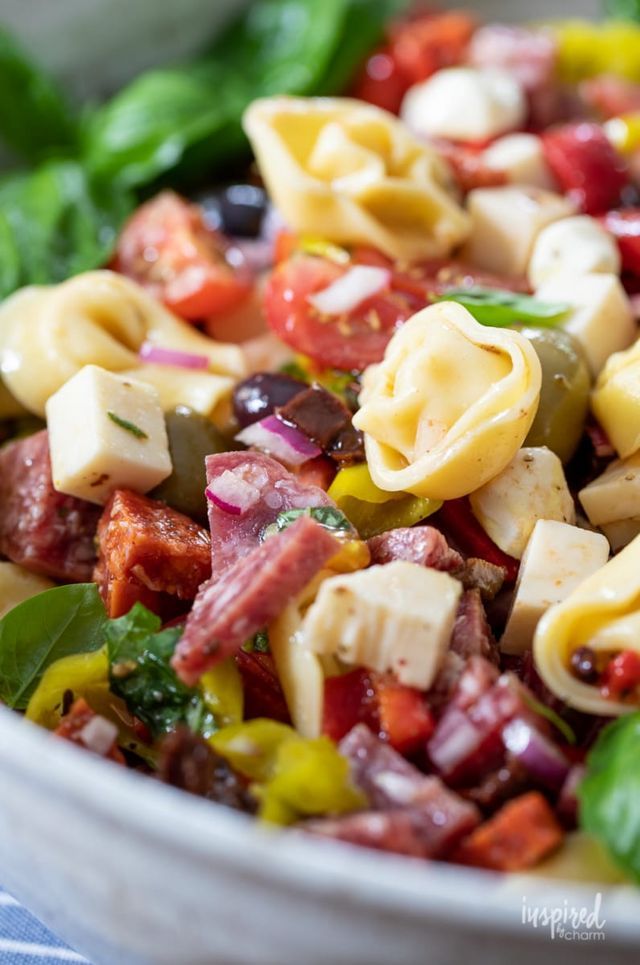
The antipasto pasta salad, a staple in Italian cuisine, is more than just a side dish. It's a symphony of flavors that captures the essence of Italy, a testament to the country's love for simple, fresh ingredients that come together in harmonious balance. This classic dish, often served as a first course or a light meal, is a crowd-pleaser that's perfect for any occasion.
Unveiling the History of Antipasto Pasta Salad
Antipasto, which translates to 'before the meal,' is an integral part of Italian culinary tradition. The antipasto pasta salad, however, is a more modern interpretation, born out of the need for convenience and versatility in the bustling, post-World War II Italian society. This dish, with its roots in the rural Italian countryside, has evolved over time, adapting to different regions and culinary influences, yet retaining its core essence.
Key Ingredients: The Building Blocks of a Classic Antipasto Pasta Salad
The beauty of the antipasto pasta salad lies in its simplicity. It's a dish that allows the ingredients to shine, with each component playing a crucial role in creating the final symphony of flavors. Here are the key ingredients:


- Pasta: Traditionally, small, short pasta shapes like orzo, stelline, or ditalini are used. They allow the salad to be easily scooped onto a fork, making it a convenient finger food.
- Cured Meats: Salami, prosciutto, or pancetta add a savory, umami-rich depth to the salad. They are typically thinly sliced or diced.
- Cheese: Hard cheeses like Parmesan or Pecorino Romano are commonly used. They provide a salty, nutty flavor that complements the other ingredients.
- Vegetables: A variety of vegetables, typically including bell peppers, red onion, and celery, add color, crunch, and freshness. Artichoke hearts and olives are also common additions.
- Dressing: A simple vinaigrette, usually made with olive oil, red wine vinegar, and Italian herbs, is used to bind the ingredients together. It's typically light and tangy, allowing the flavors of the salad to shine.
Creating the Perfect Antipasto Pasta Salad: A Step-by-Step Guide
Making a classic antipasto pasta salad is a straightforward process. Here's a step-by-step guide to help you create your own:
Ingredients
| Pasta | 1 lb (450g) |
|---|---|
| Cured Meats | 8 oz (225g) |
| Hard Cheese | 4 oz (115g) |
| Vegetables | 1 bell pepper, 1 small red onion, 2 stalks celery, 1 can artichoke hearts (14 oz/400g), 1/2 cup pitted olives |
| Dressing | 1/2 cup olive oil, 1/4 cup red wine vinegar, 1 tsp dried oregano, 1 tsp dried basil, salt, and pepper to taste |
Instructions
- Cook the pasta according to package instructions until al dente. Drain and rinse under cold water. Set aside.
- While the pasta is cooking, prepare the vegetables. Dice the bell pepper, red onion, and celery. Drain and chop the artichoke hearts. Slice the olives in half.
- In a large bowl, combine the cooked pasta, cured meats, hard cheese, and vegetables.
- In a small bowl, whisk together the olive oil, red wine vinegar, oregano, basil, salt, and pepper to make the dressing.
- Pour the dressing over the pasta mixture and toss gently to combine, ensuring that all ingredients are well coated.
- Taste and adjust seasoning if necessary. Cover the bowl and refrigerate for at least 30 minutes to allow the flavors to meld together.
- Serve chilled or at room temperature. Enjoy your classic antipasto pasta salad!
The beauty of this dish lies in its versatility. You can customize it to your liking by adding or substituting ingredients. For a vegetarian version, simply omit the cured meats. For a gluten-free option, use a suitable pasta alternative. The possibilities are endless.


So, go ahead, gather your ingredients, and create your own classic antipasto pasta salad. It's a dish that's as satisfying to make as it is to eat, and one that's sure to become a favorite in your household. Buon appetito!



Related Articles

Italian Antipasto Salad with Pasta: Authentic Italian Recipe
Craving a burst of Mediterranean flavors? Look no further than this Italian Antipasto Salad with Pasta recipe. A symphony of vibrant colors, textures, and...

Caprese Salad with Salami: A Twist on an Italian Classic
Indulge in the perfect blend of classic Italian flavors with a Caprese Salad Salami twist. This delightful dish combines the freshness of a traditional Caprese...

"Traditional Italian Antipasto Salad Dressing Recipe"
Immerse yourself in the vibrant flavors of Italy with a traditional Italian antipasto salad, a symphony of textures and tastes that's perfect as a starter or a...

"Antipasto Salad with Italian Dressing: A Taste of Italy at Home"
Indulge in the vibrant flavors of Italy with this delightful Antipasto Salad, a symphony of textures and tastes that's perfect for any occasion. This classic...

"Can You Use Italian Dressing for Pasta Salad?
When it comes to creating a delicious pasta salad, the dressing can make or break the dish. While Italian dressing is a popular choice for many, you might be...

"Recommended Classic Italian Pasta Recipes
Ah, pasta - the heart and soul of Italian cuisine! With its rich history and countless variations, Italian pasta dishes are a symphony of flavors that have...