"DYI Landscape Design for Beginners: Transform Your Space Today!"
Embarking on Your DIY Landscape Design Journey: A Beginner's Guide
Transforming your outdoor space into a personal oasis is an exciting and rewarding endeavor. With a little creativity, some elbow grease, and our comprehensive guide, you'll be well on your way to becoming a DIY landscape design pro. Let's dive into the world of landscape design, starting with the basics.
Understanding Landscape Design Principles
Before you grab your shovel, it's crucial to familiarize yourself with the fundamental principles of landscape design. These principles will serve as your roadmap, helping you create a harmonious and functional outdoor space.
- Balance: Create a sense of equilibrium in your design by distributing elements evenly or using symmetry.
- Proportion: Ensure that the scale of your design elements is appropriate for the space and each other.
- Rhythm: Establish a flow and movement in your design using repetition, progression, and transition.
- Unity: Tie your design together by using consistent colors, materials, and styles throughout.
- Focalization: Draw attention to a specific point of interest in your design, such as a tree, sculpture, or water feature.
Assessing Your Landscape: A Step-by-Step Guide
Before you start making changes, take a step back and assess your current landscape. This will help you identify what's working and what needs improvement.

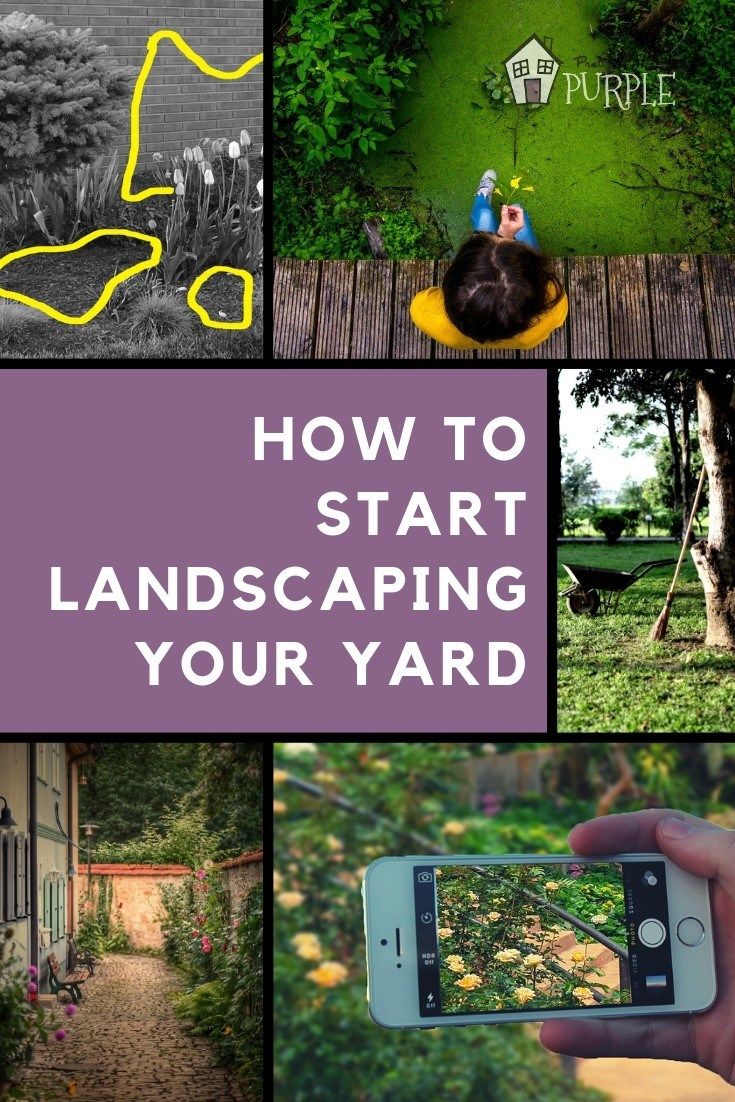

- Walk around your property and take note of its unique features, such as trees, hills, and existing structures.
- Consider the layout of your home and how you use your outdoor space. This will help you determine the best location for different features, like patios, gardens, or play areas.
- Evaluate the sunlight patterns throughout the day. This will help you decide where to place sun-loving plants and where to create shady retreats.
- Check the drainage in your yard. This will help you identify any problem areas and prevent future issues.
Creating a Landscape Design Plan
With your assessment complete, it's time to create a detailed design plan. This will serve as your blueprint, guiding you through the implementation process.
Start by sketching out your ideas on graph paper or using a digital design tool. Include the following elements in your plan:


| Element | Description |
|---|---|
| Boundaries | Draw the outline of your property and any fences or walls. |
| Existing features | Include trees, shrubs, and structures, like patios or decks. |
| Proposed features | Add new elements, such as gardens, pathways, or water features. |
| Scale | Use accurate measurements to ensure your design is to scale. |
Bringing Your DIY Landscape Design to Life
With your plan in hand, it's time to roll up your sleeves and transform your outdoor space. Here are some tips to help you along the way:
- Start with the hardscaping, such as patios, retaining walls, and pathways. This will provide a solid foundation for your landscape.
- Group plants in odd numbers for a more natural and appealing look. Vary the heights, textures, and colors of your plants to create visual interest.
- Consider low-maintenance plants and features to save time and effort in the long run.
- Don't be afraid to ask for help or advice from local nursery professionals or online forums.
Maintaining Your DIY Landscape Design
Your work doesn't stop once your design is complete. Regular maintenance is essential to keep your landscape looking its best and preventing issues from arising.
Create a maintenance schedule that includes tasks like pruning, weeding, and watering. Stay on top of these tasks, and your landscape will continue to thrive and bring you joy for years to come.


Embracing the DIY landscape design journey is an exciting adventure that allows you to express your creativity and enhance your living space. By understanding the principles of design, assessing your landscape, creating a detailed plan, and staying committed to maintenance, you'll be well on your way to becoming a DIY landscape design pro. Happy designing!


Related Articles

"Garden Waterfall Fountain for Sale: Transform Your Outdoor Space Today"
Transform your outdoor space into a serene oasis with a garden waterfall fountain. These captivating features not only add visual appeal but also create a...

"Luxury LVP Bathroom Ideas: Transform Your Space Today"
Transforming your bathroom into a personal sanctuary is easier than you think. One of the most innovative ways to achieve this is by incorporating luxury vinyl...

"Simple DIY Garden Arch Ideas: Transform Your Space Today!"
Transform your garden into a enchanting oasis with these simple and captivating DIY garden arch ideas. Garden arches not only add a touch of whimsy but also...

Modern Bathroom Decor Ideas: Transform Your Space Today
Elevate Your Space: Modern Bathroom Decor Ideas In the realm of home design, bathrooms have evolved from utilitarian spaces to luxurious retreats. Modern...

"Side Wall Design Ideas: Transform Your Space"
Transforming the often overlooked side walls of your home into stunning design features can dramatically enhance your living space. With a little creativity...

"Open Wall Design Ideas: Transform Your Space"
In the realm of interior design, one trend that has been steadily gaining traction is the open wall design. This concept, which involves leaving walls...