Elevated Raised Bed Garden Ideas: Boost Your Growing Potential
Elevated raised bed gardens have become increasingly popular among gardeners due to their numerous benefits, including improved drainage, easier maintenance, and extended growing seasons. These structures not only enhance the functionality of your garden but also add a touch of elegance to your outdoor space. Let's explore some creative and practical elevated raised bed garden ideas to inspire your next gardening project.
Understanding Elevated Raised Beds
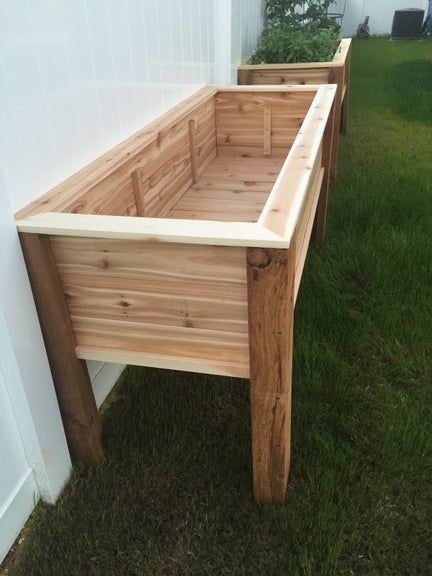
Elevated raised beds are essentially raised garden beds that are lifted off the ground using a support structure. This design allows you to customize the height of your garden, making it more accessible for individuals with mobility issues or those who prefer to garden while seated. Additionally, elevated beds can be placed on patios, balconies, or rooftops, making them perfect for urban gardeners with limited space.
Materials for Elevated Raised Bed Gardens
When selecting materials for your elevated raised bed garden, consider factors such as durability, weight, and aesthetics. Some popular options include:


- Wood: Cedar and redwood are popular choices due to their natural rot resistance and attractive appearance. Ensure the wood is untreated and safe for growing edibles.
- Composite: Made from recycled plastic and wood fibers, composite materials are durable, low-maintenance, and eco-friendly.
- Metal: Aluminum and steel are strong and long-lasting, but they can be more expensive and may require additional support for heavier plants.
- Concrete blocks: Inexpensive and easy to work with, concrete blocks can create a sturdy and attractive elevated bed. Line the interior with a waterproof barrier to prevent leaks.
Design Ideas for Elevated Raised Bed Gardens
Tiered Designs
Tiered elevated beds maximize space by creating multiple levels for planting. This design is perfect for growing a variety of plants with different height requirements, such as herbs, vegetables, and flowers. To create a tiered effect, simply build your elevated beds at varying heights, using taller supports for the lower tiers.
Modular Systems
Modular elevated beds allow for easy customization and expansion. These systems typically consist of interlocking or stackable components that can be arranged to create a variety of configurations. Modular beds are ideal for small spaces, as they can be easily moved or reconfigured as needed.


Ornamental Structures
Elevated beds can be designed as decorative features in their own right. Consider incorporating elements such as arches, trellises, or built-in seating to create a visually appealing and functional garden space. For a cohesive look, choose materials that complement the architecture of your home.
Plants for Elevated Raised Bed Gardens
When selecting plants for your elevated raised bed garden, consider factors such as sunlight exposure, soil requirements, and mature size. Some popular choices for elevated beds include:
- Vegetables: Tomatoes, peppers, cucumbers, and lettuce are well-suited to elevated beds, as they benefit from improved drainage and warmer soil temperatures.
- Herbs: Basil, thyme, rosemary, and mint are easy to grow in elevated beds and can be placed near the kitchen for convenient harvesting.
- Flowers: Petunias, marigolds, and nasturtiums are attractive and low-maintenance options that can be grown in elevated beds. Choose flowers that complement the colors and materials of your garden structures.
Maintaining Elevated Raised Bed Gardens
To ensure the longevity and productivity of your elevated raised bed garden, follow these maintenance tips:


- Soil management: Use high-quality, well-draining potting soil to fill your elevated beds. Supplement with compost or other organic matter as needed to maintain soil fertility.
- Watering: Elevated beds dry out more quickly than in-ground gardens, so regular watering is essential. Install a drip irrigation system for efficient watering and to prevent overwatering.
- Fertilizing: Apply a balanced, slow-release fertilizer to your elevated beds at the beginning of the growing season. Supplement with liquid fertilizers as needed throughout the growing season.
- Pest and disease management: Monitor your plants for signs of pests or disease, and address issues promptly to prevent their spread. Use organic or chemical treatments as needed, following the manufacturer's instructions.
Elevated raised bed gardens offer a wealth of design possibilities and practical benefits for gardeners of all skill levels. By incorporating these creative and functional ideas into your garden design, you can create a beautiful and productive outdoor space that meets your unique needs and preferences.



Related Articles

"Elevated Garden Bed Ideas: Boost Your Growing Potential"
Elevated garden beds have become increasingly popular among gardeners and homeowners alike, offering a range of benefits from improved drainage to easier...
Elevated Raised Garden Bed Ideas: Boost Your Green Thumb
Elevated raised garden beds have become increasingly popular among gardeners and homeowners alike, offering a multitude of benefits that range from improved...

"DIY Elevated Raised Garden Bed Plans: Boost Your Garden Game"
Elevated raised garden beds are a fantastic way to optimize your gardening space, improve soil quality, and enhance accessibility. If you're a DIY enthusiast...

Metal Raised Garden Bed Ideas: Elevate Your Gardening Game
Elevate your gardening game with metal raised garden bed ideas that are not only functional but also add a touch of industrial charm to your outdoor space...

"Raised Garden Bed Box Ideas: Elevate Your Gardening Game"
Raised garden bed boxes have become increasingly popular among gardeners and homeowners alike, offering a multitude of benefits such as improved soil quality...

"Raised Garden Bed Ideas: Transform Your Fence into a Vertical Oasis"
Discover the perfect blend of functionality and aesthetics with our curated list of raised garden bed ideas that seamlessly integrate with your fence. Not only...