"Forest Fun: Engaging Activities for Preschoolers in Nature"
Embarking on forest activities with preschoolers can be an enriching and fun experience that fosters learning and curiosity. The great outdoors offers a wealth of opportunities for young children to explore, learn, and develop essential skills. This article will delve into various forest activities suitable for preschoolers, focusing on safety, engagement, and educational value.
Understanding the Benefits of Forest Activities for Preschoolers
Engaging preschoolers in forest activities promotes a myriad of benefits, including physical development, cognitive stimulation, emotional well-being, and environmental awareness. Forests provide a dynamic, hands-on learning environment that encourages children to observe, question, and explore. Moreover, these activities instill a lifelong appreciation for nature and the environment.
Safety First: Preparing for Forest Activities
Before venturing into the forest, it's crucial to prioritize safety. Here are some essential tips:


- Dress appropriately: Ensure children are dressed in comfortable, weather-appropriate clothing and sturdy shoes.
- Pack essentials: Bring along a first-aid kit, water, snacks, and sun protection (hat, sunglasses, sunscreen).
- Stay on marked trails: Stick to designated paths to avoid getting lost and to protect the environment.
- Supervision: Maintain constant supervision to prevent accidents and ensure children don't wander off.
Engaging Forest Activities for Preschoolers
Nature Scavenger Hunts
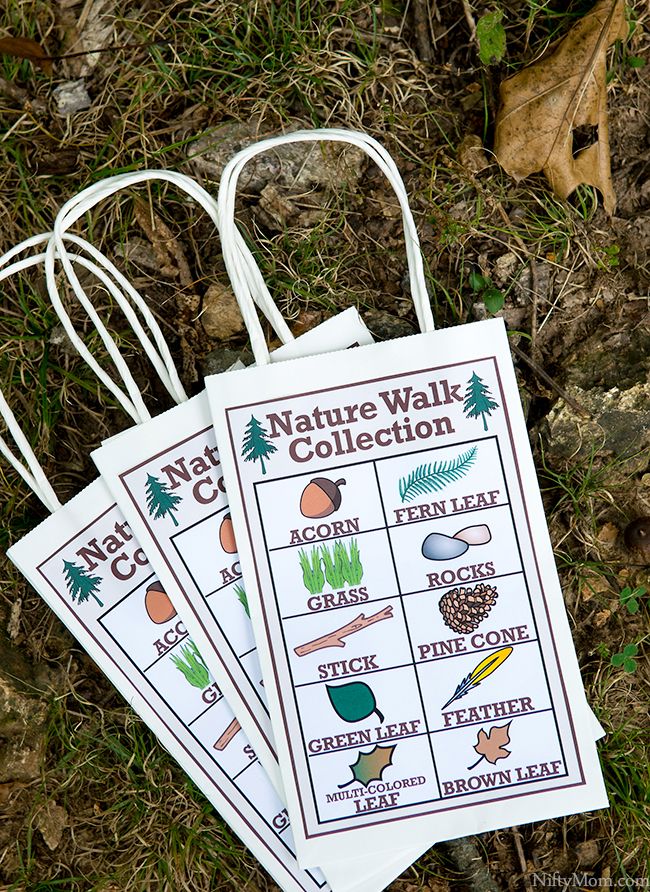
Scavenger hunts are an exciting way to engage preschoolers in the forest. Create a simple list of items for them to find, such as leaves, pinecones, or rocks. This activity encourages observation skills, critical thinking, and a sense of accomplishment.
Storytelling and Imagination Play
Forests provide the perfect backdrop for storytelling and imaginative play. Read age-appropriate nature-themed books or create your own stories inspired by the surroundings. Encourage children to act out the stories, promoting creativity, language development, and social skills.


Forest Crafts and Art
Collect natural materials like leaves, twigs, and pebbles to create forest-inspired crafts and art projects. Simple activities such as leaf rubbing, painting with natural dyes, or creating bird feeders using pinecones and peanut butter can foster fine motor skills and artistic expression.
Animal Tracking and Birdwatching
Introduce preschoolers to the fascinating world of wildlife by going on an animal tracking or birdwatching adventure. Look for animal tracks, signs of activity, or bird nests. Discuss the different animals that live in the forest and their unique characteristics. This activity promotes curiosity, observation skills, and an understanding of the interconnectedness of ecosystems.
Nature's Classroom: Learning through Play
The forest is an ideal setting for hands-on learning. Preschoolers can explore concepts like size and capacity by collecting and comparing leaves, or learn about shapes and patterns by observing tree bark. Incorporate these learning opportunities into play activities, making them fun and engaging.


Tips for Making the Most of Forest Activities
To maximize the benefits of forest activities for preschoolers, consider the following tips:
- Keep activities short and engaging to maintain young children's attention spans.
- Encourage questions and discussion to foster curiosity and critical thinking.
- Be flexible and adapt activities based on children's interests and the environment.
- Reflect on the experience: Discuss the day's adventure and what children learned or enjoyed the most.
Incorporating forest activities into preschoolers' routines can have a profound and lasting impact on their development and appreciation for nature. By providing engaging, safe, and educational experiences, we foster a lifelong love for the great outdoors and the environment.


Related Articles

"Forest Fun: Engaging Preschool Activities for Forest School"
Immersing preschoolers in nature through forest school activities offers a wealth of benefits, from fostering creativity and curiosity to boosting physical...
"Nature's Playground: Fun Preschool Activities in the Great Outdoors"
Immersing preschoolers in nature is not only fun but also crucial for their physical, cognitive, and emotional development. Outdoor activities stimulate their...

"Winter Wonderland: Engaging Forest School Activities for Toddlers"
As the snow begins to fall and the temperatures drop, it's time to embrace the magic of winter and explore the great outdoors with your little ones. Winter...

"Harvest Festival Ideas for Preschoolers: Fun & Engaging Activities"
Autumn is a wonderful time to engage young children in learning and fun with harvest festival ideas for preschoolers. This magical season offers a wealth of...
"Forest Art Ideas for Preschoolers: Inspiring Nature Crafts"
Nurturing creativity and a love for nature in young children is a wonderful opportunity that preschool educators and parents alike can embrace. Forest art...
"Nature's Playground: 10 Engaging Activities for Outdoor Enthusiasts"
Nature Themed Activities: Connecting with the Great Outdoors Immerse yourself in the beauty and wonder of nature with a diverse range of activities that cater...