"Fun Playground Ideas: 10 Exciting Additions for Kids"
Transforming a playground into a vibrant, engaging, and safe space for children is an exciting task. By incorporating a variety of fun and interactive elements, you can stimulate their imagination, promote physical activity, and create lasting memories. Here, we've compiled a list of creative and practical ideas to enhance your playground, ensuring it's not just a place to play, but an experience to enjoy.
Interactive Play Structures
At the heart of every playground are the play structures. Consider incorporating elements that encourage interactive play, such as:
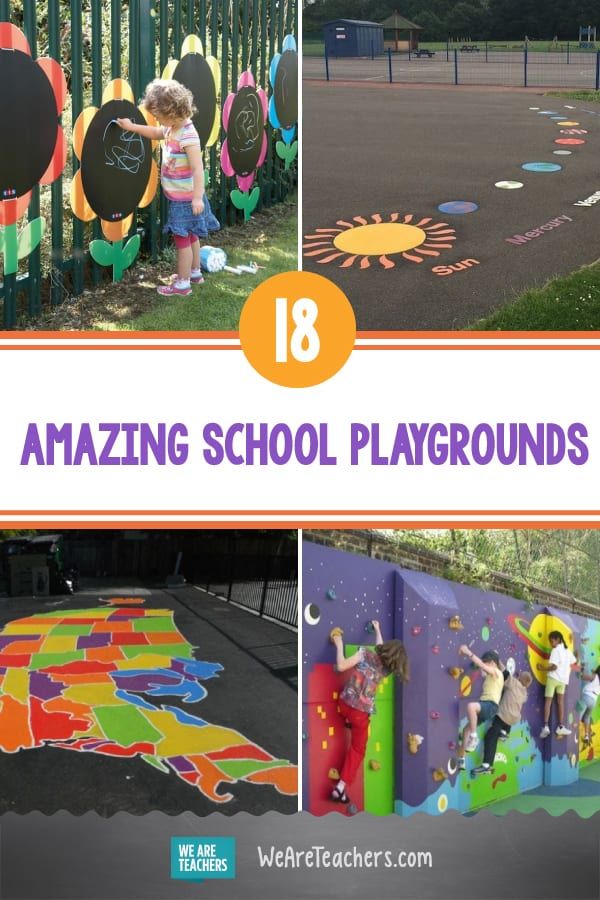
- Climbing Walls: These help children develop strength, coordination, and resilience. Opt for walls with varied textures and handholds to cater to different ages and abilities.
- Slides and Tunnels: Slides provide thrilling experiences, while tunnels encourage imaginative play. Consider adding a twist with spiral or wave slides, or tunnels that light up or play sounds.
- Playhouses and Forts: These structures foster role-playing and social skills. They can be themed to represent different environments, like a castle, ship, or space station.
Sensory Play Areas
Incorporating sensory play elements can help children develop their senses, improve fine motor skills, and enhance cognitive development.


- Sandboxes: A sandbox encourages creative play and helps children understand the concept of volume and capacity. Add tools like shovels, rakes, and molds to enhance the experience.
- Water Play Areas: These provide a refreshing and engaging way to cool off. Consider adding features like water pumps, sprayers, or even a small splash pad.
- Musical Instruments: Incorporating musical elements like drums, xylophones, or chimes encourages self-expression and creativity.
Nature-Inspired Elements
Incorporating nature into your playground design can help children connect with the environment, learn about wildlife, and appreciate the beauty of the natural world.
- Natural Materials: Use natural materials like wood, stone, and plants to create a warm and inviting atmosphere. Consider incorporating a treehouse, balance beams, or stepping stones.
- Gardening Areas: A small garden or planting area allows children to learn about plants and the growth cycle. They can help tend to the plants, fostering a sense of responsibility and pride.
- Wildlife Features: Incorporate elements that represent local wildlife, like bird feeders, birdhouses, or even a small pond with fish. This can help children learn about and appreciate the creatures that share their environment.
Educational Opportunities
Playgrounds can be more than just fun; they can also be learning spaces. Incorporate educational elements to help children develop new skills and expand their knowledge.


- Learning Panels: Install panels with letters, numbers, or simple games like tic-tac-toe to help children develop early literacy and math skills.
- Science Stations: Create areas where children can explore scientific concepts, like a magnetic sand table, a weather station, or a simple physics demonstration.
- Art Stations: Incorporate areas where children can express their creativity, like a chalkboard wall, a paint station, or a sculpture garden.
Accessibility and Inclusivity
It's crucial to ensure that your playground is accessible and inclusive, so that all children can participate and enjoy the space.
- Ramps and Accessible Paths: Incorporate ramps and wide, smooth paths to allow children with mobility challenges to navigate the playground easily.
- Sensory Panels: Add panels with different textures, sounds, or lights to cater to children with visual or auditory impairments.
- Quiet Spaces: Include areas where children can take a break from the action, like a shaded bench or a cozy nook.
Safety and Maintenance
While fun is the primary goal, safety and maintenance should also be top priorities. Here are some tips to keep your playground safe and well-maintained:
- Surfacing: Use impact-absorbing surfacing materials like wood chips, rubber mulch, or sand to protect children from falls. Ensure the surfacing extends at least 6 feet in all directions from equipment.
- Regular Inspections: Conduct regular safety inspections to identify and address potential hazards, like loose bolts or damaged equipment.
- Shade Structures: Incorporate shade structures to protect children from the sun's harmful UV rays. This can also provide a cooler play environment on hot days.
By incorporating these fun and engaging elements into your playground design, you can create a space that not only entertains but also educates, inspires, and nurtures children. So, let your imagination run wild, and watch as your playground comes to life!




Related Articles

Backyard Playground Shade Ideas: Keep Kids Cool & Safe
Transforming your backyard into a fun and safe haven for children involves more than just installing playground equipment. Creating a shady retreat is...

"Fun Activities for Dogs: 10 Exciting Outdoor Ideas at Home"
Looking for ways to keep your furry friend entertained and engaged at home? You're in luck! There are numerous fun and enriching activities you can enjoy with...
"Backyard Playground Ideas: DIY Fun for Kids"
Transforming your backyard into a fun and engaging space for your kids doesn't have to break the bank. With a bit of creativity and some elbow grease, you can...

"Natural Backyard Playground Ideas: Create a Magical Outdoor Space for Kids"
Transforming your backyard into a fun and engaging play area for your children doesn't have to break the bank or involve plastic slides and swings. By...

"Fun Outdoor Activities for 12-Year-Olds: Exciting Ideas for Kids"
As children reach their tweens, they crave fun, engaging, and challenging outdoor activities that allow them to explore their independence while enjoying the...

"Summer Fun: 15 Exciting Adventure Ideas for Kids"
As the school year comes to an end, parents start planning for the summer months, eager to fill their children's holidays with fun, engaging, and educational...