"Hanging Cabinets: Maximize Peninsula Space"
Maximizing space and functionality in your kitchen often involves thinking vertically. One excellent way to achieve this is by installing hanging cabinets over your peninsula. This strategic addition not only increases storage but also adds a stylish touch to your kitchen design. Let's delve into the benefits, types, and installation tips for hanging cabinets over your peninsula.
Benefits of Hanging Cabinets Over Peninsula
Peninsulas are a popular kitchen layout feature, providing additional workspace and storage. However, the space above them is often overlooked. Here's why you should consider utilizing this vertical real estate with hanging cabinets:
- Increased Storage: Hanging cabinets provide additional storage for items you don't use daily but still need to keep within reach.
- Visual Interest: They add a design element that can make your kitchen look more cohesive and stylish.
- Easy Access: With the right hardware, these cabinets can be easily accessed, making them perfect for storing frequently used items.
Types of Hanging Cabinets for Peninsula
Before you start shopping, it's essential to understand the different types of hanging cabinets to determine which one best suits your needs and style.


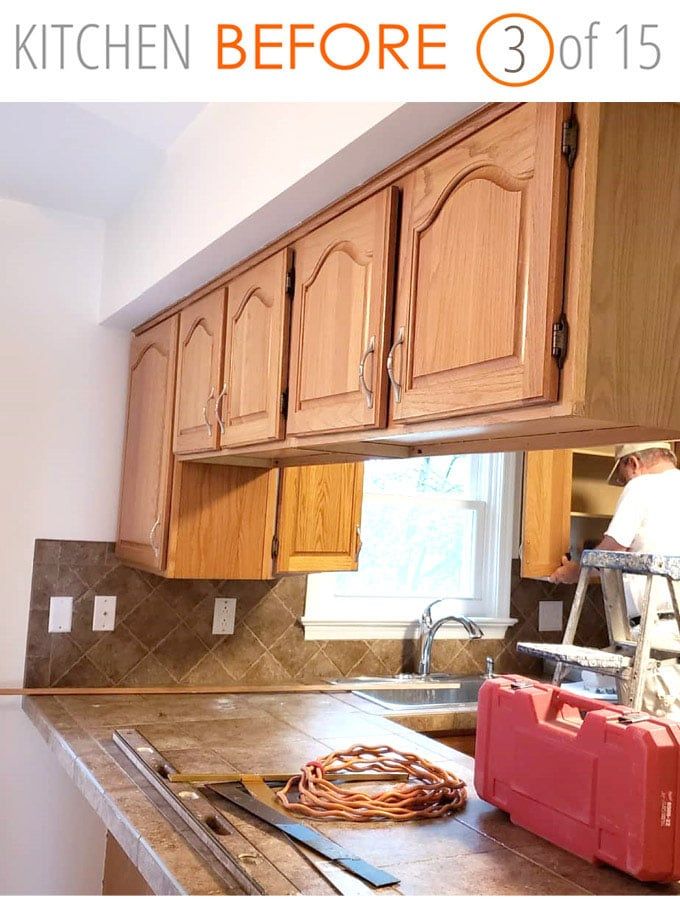
Wall Cabinets
Wall cabinets are the most common type and are typically installed directly onto the wall above the peninsula. They can be shallow or deep, depending on the space available and your storage needs.
Suspended Cabinets
Suspended cabinets are hung from the ceiling and can be a great option if you have high ceilings. They can provide a dramatic look and add a unique design element to your kitchen.


Open Shelves
Open shelves can be a stylish and functional alternative to traditional cabinets. They allow you to display decorative items and provide easy access to frequently used items. However, they may not provide the same level of dust protection as closed cabinets.
Installing Hanging Cabinets Over Peninsula: Tips and Tricks
Installing hanging cabinets over your peninsula can be a DIY project, but it's important to ensure you have the right tools and knowledge. Here are some tips to help you:
| Step | Action |
|---|---|
| 1 | Measure the space above your peninsula to ensure your cabinets will fit and leave enough clearance for doors and drawers to open fully. |
| 2 | Mark the studs on the wall to ensure your cabinets will be securely attached. |
| 3 | Assemble the cabinets according to the manufacturer's instructions. |
| 4 | Attach the cabinets to the wall using screws or bolts, ensuring they are level and secure. |
| 5 | Attach any hardware, such as knobs or pulls, and ensure they are level and evenly spaced. |
Remember, safety is paramount when installing heavy cabinets. Always ensure they are securely attached to the wall and can support the weight of the items you'll be storing.


Hanging cabinets over your peninsula can be a game-changer in your kitchen, providing additional storage and enhancing your kitchen's aesthetic appeal. By understanding the different types of cabinets and following the right installation steps, you can transform your kitchen into a more functional and stylish space.


Related Articles

"Kitchen Peninsula with Cabinets: Maximize Space & Style"
Kitchen Peninsula with Cabinets: Enhance Functionality and Style In the heart of every home lies the kitchen, a space that seamlessly blends functionality and...

Peninsula Base Cabinets: Maximize Your Kitchen Space
In the realm of kitchen design, the peninsula base cabinet is a versatile and functional element that can transform your space into a cohesive and efficient...

"Cabinets Above Stove: Maximize Space & Style"
When it comes to kitchen design, the area above the stove top is often an underutilized space. However, with the right cabinets, this area can be transformed...
"Kitchen Peninsula with Cabinets Above: Maximize Space & Style"
A kitchen peninsula with cabinets above not only adds functionality and storage but also serves as a striking visual centerpiece. This versatile design element...
"Small Kitchen Peninsula Design Ideas: Maximize Space & Style"
Transforming a small kitchen into a functional and stylish space can be a challenge, but a well-designed peninsula can make all the difference. This versatile...

DIY Hanging Storage Rack: Maximize Space, Minimal Effort
Are you tired of cluttered spaces and in need of a practical, stylish solution? Look no further than a DIY hanging storage rack! Not only does it maximize your...