"Waterfall Formation: How Do They Rise?"
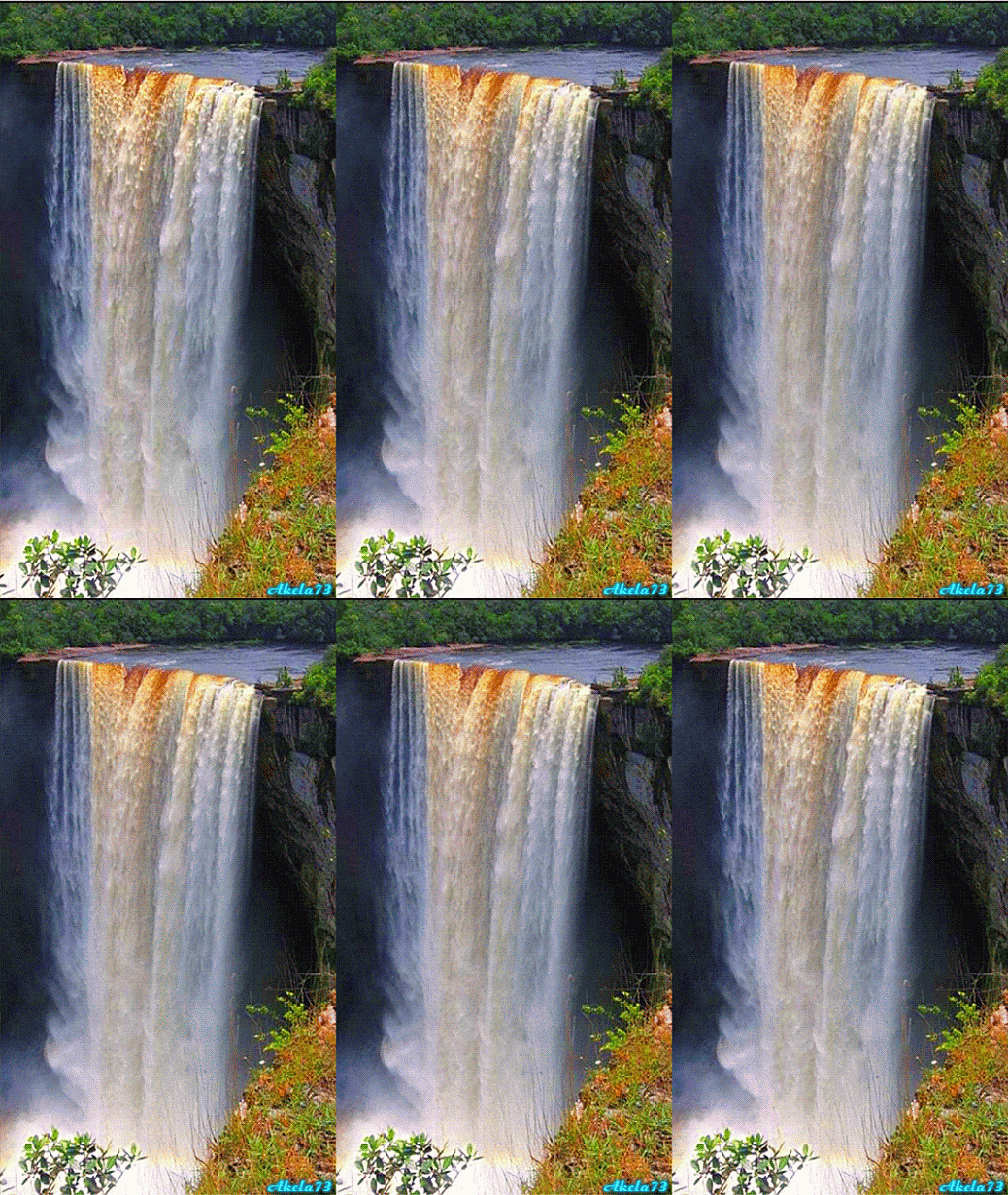
Have you ever marveled at the sight of a waterfall and wondered how it manages to defy gravity, flowing upwards instead of downwards? While it might seem counterintuitive, the phenomenon of waterfalls flowing upwards is not as far-fetched as it sounds. In this article, we'll delve into the science behind this captivating spectacle and explore the various types of waterfalls that exhibit this unique behavior.
Understanding Capillary Action
Before we dive into the different types of waterfalls that flow upwards, it's essential to understand the fundamental principle behind this phenomenon: capillary action. Capillary action is the ability of a liquid to flow in narrow spaces without the assistance of external forces like gravity. This is possible due to the attractive forces between the liquid and the surrounding solid surface, known as adhesion, and the cohesive forces within the liquid itself.
Types of Upward-Flowing Waterfalls
Now that we have a basic understanding of capillary action let's explore the various types of waterfalls that exhibit this remarkable behavior.


Weeping Walls
Weeping walls, also known as capillary walls, are a common example of waterfalls that flow upwards. These are typically found in limestone or other porous rock formations. The water seeps through the porous rock, creating a thin film of water that adheres to the surface and flows upwards due to capillary action. The water then drips downwards, creating the illusion of a waterfall flowing upwards.
Candle Wax Waterfalls
Candle wax waterfalls are a fascinating phenomenon where water appears to flow upwards through a candle. This is achieved by melting the candle wax and allowing the water to absorb into the wax. The water then flows upwards through the wax, driven by capillary action, and eventually drips downwards, creating a mesmerizing display of water flowing against gravity.


Capillary Tube Waterfalls
Capillary tube waterfalls are a simple yet impressive demonstration of capillary action. These waterfalls consist of a tube filled with a porous material, such as cotton or glass wool, with water at one end. The water is drawn upwards through the tube by capillary action, creating the appearance of a waterfall flowing upwards.
Factors Affecting Capillary Action
Capillary action is influenced by several factors, including the surface tension of the liquid, the diameter of the capillary tube or pore, and the contact angle between the liquid and the solid surface. Understanding these factors can help explain why some waterfalls flow upwards more readily than others.
- Surface Tension: The higher the surface tension of a liquid, the stronger the cohesive forces within the liquid, and the more readily it will flow upwards due to capillary action.
- Capillary Diameter: The smaller the diameter of the capillary tube or pore, the greater the influence of capillary action. This is why water flows more readily upwards through narrow spaces like those found in porous rocks.
- Contact Angle: The contact angle between the liquid and the solid surface affects the adhesive forces between the two. A lower contact angle results in stronger adhesion, making it easier for the liquid to flow upwards.
Applications of Capillary Action
Capillary action is not only responsible for the captivating spectacle of upward-flowing waterfalls but also plays a crucial role in various practical applications. Some examples include:



| Application | Description |
|---|---|
| Paper Towels | Capillary action allows paper towels to absorb liquids efficiently, making them an essential household item. |
| Fuel Cells | Capillary action is used to transport liquids, such as fuel and electrolyte, within fuel cells, enabling them to function effectively. |
| Plant Watering | Capillary action allows water to be drawn upwards from the soil to the roots of plants, facilitating their growth and survival. |
In conclusion, the phenomenon of waterfalls flowing upwards is a fascinating demonstration of capillary action, the fundamental principle behind the movement of liquids in narrow spaces. By understanding the science behind this captivating spectacle, we can appreciate the beauty and complexity of the natural world around us and recognize the practical applications of capillary action in our everyday lives.


Related Articles

"Understanding Waterfall Fountain Mechanics: How They Work"
Waterfall fountains are a captivating addition to any landscape, creating a serene and inviting atmosphere. But have you ever wondered how these mesmerizing...

"Does Home Depot Do Concrete Work? Yes, Here's What They Offer"
When it comes to home improvement projects, one of the most common questions is: "Does Home Depot do concrete work?" The answer is not as straightforward as...

"Petunias' Perfect Soil: What Type Do They Love?"
Petunias, with their vibrant colors and easy-going nature, are a beloved addition to many gardens. But like all plants, they require the right growing...

"Does Flatbread Dough Need to Rise?"
When it comes to making flatbread, one of the most common questions that arises is whether the dough needs to rise. The short answer is: it depends. Unlike...

"Understanding Outdoor Spigots: How They Work"
An outdoor spigot, also known as a hose bibb or garden faucet, is a crucial component of any home's exterior plumbing system. It's the point where your garden...

"Oyster Shell Formation: A Step-by-Step Guide"
The formation of an oyster shell is a fascinating process, driven by the oyster's biology and its response to environmental stimuli. This article delves into...