"Metal Roof Overhang: How Far Can It Extend Without Support?"
When it comes to metal roofing, one of the most common questions is: "How far can a metal roof overhang without support?" The answer to this question depends on several factors, including the type of metal, the gauge of the metal, the pitch of the roof, and the local building codes. In this article, we will delve into these factors and provide a comprehensive guide to help you understand how far a metal roof can safely overhang without support.
Understanding Metal Roof Overhangs
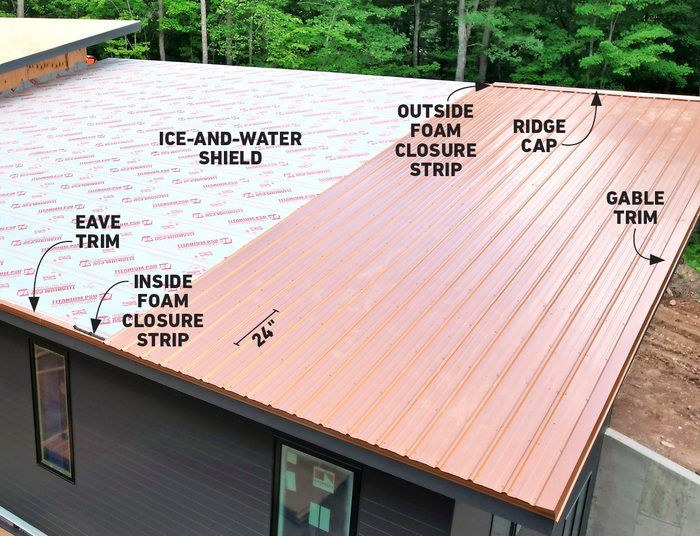
An overhang on a metal roof is the portion that extends beyond the exterior wall of a building. Overhangs serve both functional and aesthetic purposes. They protect the walls and windows from rain and snow, and they can enhance the curb appeal of a building. However, it's crucial to ensure that the overhang is supported properly to prevent sagging, buckling, or even collapse.
Factors Affecting Metal Roof Overhang Length
Type of Metal
The type of metal used for your roof plays a significant role in determining the maximum overhang length. Different metals have varying strengths and weights. For instance, aluminum is lighter than steel, but it may not be as strong. Here's a brief overview:


- Steel: Steel is strong and durable, allowing for longer overhangs. However, it's heavier, which may require additional support.
- Aluminum: Aluminum is lighter, making it easier to install and allowing for longer overhangs without additional support. However, it may not be as strong as steel.
- Copper and Zinc: These metals are lightweight and have excellent formability, allowing for long overhangs. However, they are more expensive than steel and aluminum.
Gauge of the Metal
The gauge of the metal refers to its thickness. The lower the gauge number, the thicker the metal. Thicker metals can span longer distances without support. For example, a 29-gauge metal roof can typically overhang up to 1.5 feet without support, while a 24-gauge metal roof can overhang up to 2 feet.
Roof Pitch
The pitch of your roof, or the angle at which it slopes, also affects the overhang length. A steeper pitch can support a longer overhang because the weight of the roof is distributed over a larger area. Conversely, a flat or low-pitched roof may require additional support for longer overhangs.


Local Building Codes
Local building codes and regulations play a crucial role in determining the maximum overhang length. These codes are designed to ensure the safety and structural integrity of buildings. It's essential to consult local building codes before installing a metal roof with a long overhang.
Calculating Maximum Overhang Length
To calculate the maximum overhang length for your metal roof, you can use the following formula, which takes into account the type of metal, its gauge, and the roof pitch:
| Metal Type | Gauge | Pitch | Maximum Overhang (feet) |
|---|---|---|---|
| Steel | 29 | 4/12 | 1.5 |
| Aluminum | 26 | 6/12 | 2 |
| Copper or Zinc | 24 | 8/12 | 2.5 |
This table provides a rough estimate. It's always a good idea to consult with a professional roofer or a structural engineer to ensure that your metal roof overhang is safe and compliant with local building codes.



Supporting Long Metal Roof Overhangs
If you need a longer overhang than what's recommended, you can support it with additional structure. This could include adding a support beam, using a wider overhang flashing, or installing a cantilever system. However, these options may require additional engineering and construction, which can increase the cost and complexity of your project.
In conclusion, the maximum overhang length for a metal roof depends on several factors, including the type and gauge of the metal, the roof pitch, and local building codes. By understanding these factors and consulting with a professional, you can ensure that your metal roof overhang is safe, functional, and aesthetically pleasing.


Related Articles

"Porch Roof Overhang Limits: How Far Can You Extend Without Support?"
When designing a porch, one of the most crucial aspects to consider is the roof overhang. The overhang not only enhances the aesthetic appeal but also provides...

"Roof Overhang Without Support: How Far Can It Extend?"
When designing or inspecting a roof, one critical question often arises: how far can a roof overhang without support? The answer to this question is...
"How Far Can a Roof Overhang Without Support?"
When it comes to roof construction, one of the most critical aspects to consider is the overhang, or the part of the roof that extends beyond the exterior...
"Extending Roofs Without Support: How Far Can You Go?"
When it comes to extending a roof, one of the primary concerns is the structural integrity and support. Roofs are designed to bear a certain load, and...
"Extending Gable End Roof Overhang: A Step-by-Step Guide"
Are you looking to enhance the curb appeal of your home or create additional covered space without rebuilding your entire roof? Extending a gable end roof...
"Extending Metal Roof Overhang: A Step-by-Step Guide"
Extending a metal roof overhang can enhance your home's curb appeal, provide additional protection from the elements, and even increase your living space. This...