Metal Roof Overhang: The Perfect Distance
When it comes to installing a metal roof, one of the key decisions you'll need to make is determining how far the roof should overhang. This aspect not only impacts the aesthetics of your home but also plays a crucial role in its functionality and longevity. In this guide, we'll delve into the optimal metal roof overhang, its benefits, and how to calculate it.
Understanding Metal Roof Overhang
Metal roof overhang refers to the extension of the roof beyond the exterior walls of your home. It serves multiple purposes, including protecting the walls and siding from rain and snow, enhancing curb appeal, and providing a safe egress for gutters.
Benefits of an Optimal Metal Roof Overhang
- Protects Walls and Siding: A sufficient overhang shields your home's exterior from water damage, preventing the growth of mold and mildew, and extending the life of your siding.
- Enhances Curb Appeal: A well-designed overhang can significantly improve your home's appearance, making it look more inviting and architecturally sound.
- Protects Gutters: By providing a safe exit for rainwater, a proper overhang reduces the risk of gutter damage and ensures efficient water drainage.
How Far Should Metal Roofing Overhang?
The ideal metal roof overhang varies depending on several factors, including your home's design, local building codes, and personal preference. However, as a general rule, the overhang should be between 1 to 2 inches for every foot of roof projection.

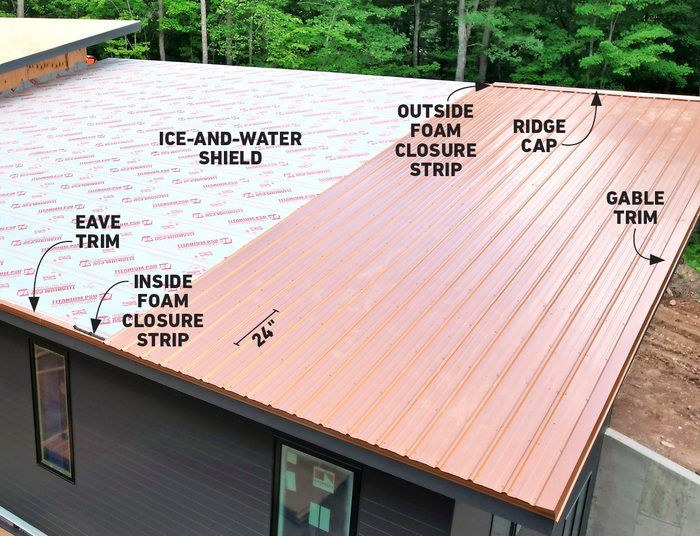

Factors Affecting Metal Roof Overhang
- Home Design: The style and architecture of your home can influence the optimal overhang. For instance, a ranch-style home may require a larger overhang than a two-story house.
- Local Building Codes: Always consult your local building codes to ensure your roof overhang complies with safety and structural requirements.
- Personal Preference: The desired look and feel of your home can also dictate the ideal overhang. A larger overhang can create a more dramatic effect, while a smaller one can provide a more subtle, streamlined appearance.
Calculating Metal Roof Overhang
To calculate the optimal metal roof overhang, follow these steps:
| Step | Formula/Instruction |
|---|---|
| 1 | Measure the width of your roof (W). |
| 2 | Divide the width by 12 to convert it into feet (W/12). |
| 3 | Multiply the result by the desired overhang ratio (between 1 to 2 inches per foot). |
| 4 | Add the result to the width of your roof to determine the total overhang length. |
For example, if your roof is 24 feet wide and you choose an overhang ratio of 1.5 inches per foot, the calculation would be as follows:


Overhang Length = (W/12) * Overhang Ratio + W
Overhang Length = (24/12) * 1.5 + 24
Overhang Length = 2 * 1.5 + 24


Overhang Length = 3 + 24
Overhang Length = 27 inches
In this case, the total overhang length would be 27 inches, or 2 feet and 3 inches. Keep in mind that this is just an example, and the optimal overhang for your specific situation may vary.


Professional Installation for Optimal Results
While calculating the ideal metal roof overhang can be done with relative ease, it's essential to have a professional installer handle the actual installation. A skilled roofer can ensure that your roof overhang is not only functional but also aesthetically pleasing and structurally sound.
In addition to proper installation, regular maintenance is crucial for preserving the longevity and performance of your metal roof. This includes periodic inspections, cleaning, and addressing any issues promptly to prevent minor problems from escalating into costly repairs.
In conclusion, determining the optimal metal roof overhang is a critical step in ensuring the functionality, longevity, and curb appeal of your home. By understanding the benefits of a proper overhang, considering the relevant factors, and calculating the ideal length, you can make an informed decision that will serve you well for years to come. Always consult with a professional roofer to ensure the best possible results for your specific situation.
Related Articles

"Hook Spacing for String Lights: The Perfect Distance"
When it comes to installing string lights, one of the most common questions is: "How far apart should hooks be for string lights?" The spacing between hooks...

"How Far Should Your Deck Roof Overhang?"
When designing or building a deck with a roof, one crucial aspect to consider is the overhang, or the extension of the roof beyond the deck's perimeter. The...

"Optimize Closet Space: Perfect Shelf Distance"
When designing or organizing your closet, determining the optimal space between shelves is crucial for both functionality and aesthetics. The distance between...

"Wall Shelf Spacing: The Perfect Distance for Your Home"
When it comes to installing wall shelves, one of the most common questions is "How far apart should wall shelves be?" The answer to this question depends on...

"Hook Spacing for Backpacks: The Perfect Distance for Comfort & Support"
When it comes to backpacks, the distance between the shoulder straps, or hooks, plays a significant role in comfort, weight distribution, and overall user...

"Closet Rod Distance from Wall: The Perfect Spacing"
When designing or organizing your closet, one of the most fundamental questions you might ask is: "How far should closet rod be from the wall?" The distance...