"Max Metal Roof Overhang: How Much is Too Much?"
When it comes to installing a metal roof, one of the most common questions homeowners and contractors alike ask is: "How much overhang can you have on a metal roof?" The answer to this question is crucial for ensuring the longevity and performance of your metal roof. In this article, we'll delve into the ideal overhang for metal roofs, the factors that influence it, and how to achieve the perfect balance.
Understanding Metal Roof Overhang
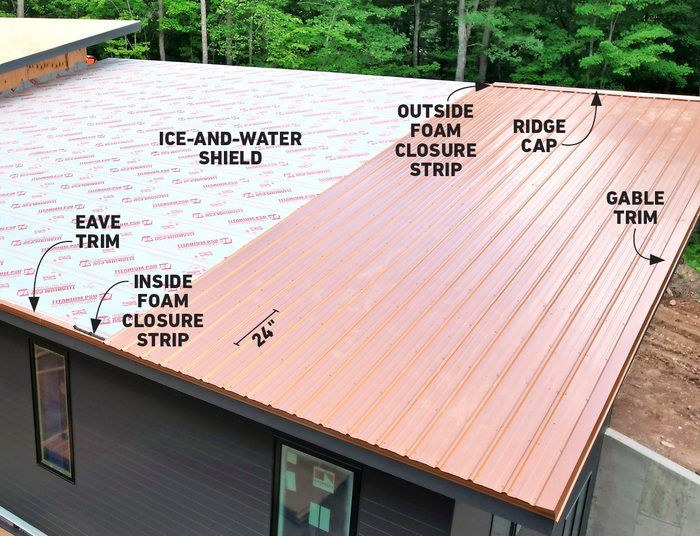
Overhang, in the context of roofing, refers to the horizontal extension of the roof beyond the exterior walls of a building. It plays a significant role in protecting the walls, eaves, and foundation from water damage, as well as enhancing the roof's aesthetic appeal.
Ideal Overhang for Metal Roofs
The ideal overhang for a metal roof typically ranges between 1.5 to 2.5 inches. However, this can vary depending on several factors, including the roof's pitch, the type of metal used, and local building codes. It's essential to consult with a professional roofer or refer to local building codes to determine the precise overhang required for your specific situation.


Factors Influencing Metal Roof Overhang
- Roof Pitch: Steeper roofs can handle more overhang than lower-pitched roofs. This is because the steeper the pitch, the faster water will run off, reducing the risk of water damage.
- Metal Type: Different metals have varying degrees of flexibility and weight. For instance, aluminum and copper can handle more overhang than heavier metals like steel.
- Local Building Codes: Building codes in your area may specify the minimum and maximum overhang allowed for safety and structural reasons.
Consequences of Too Much or Too Little Overhang
Having too much or too little overhang on a metal roof can lead to various issues. Excessive overhang can cause water to pool on the roof, leading to leaks and potential damage to the roof structure. Additionally, it can increase the risk of ice dams forming in colder climates. On the other hand, insufficient overhang can result in water cascading down the walls, potentially causing damage to siding, windows, and foundations.
Achieving the Perfect Metal Roof Overhang
To achieve the perfect overhang for your metal roof, follow these steps:


- Consult local building codes to ensure you're within the specified limits.
- Consider the roof's pitch and choose an overhang that complements it.
- Select a metal that can support the desired overhang based on its weight and flexibility.
- Work with a professional roofer who can ensure the overhang is installed correctly and safely.
Conclusion
Determining the ideal overhang for a metal roof involves careful consideration of various factors. By understanding these factors and working with a professional, you can achieve the perfect overhang for your metal roof, ensuring its longevity, performance, and aesthetic appeal. Always remember that the goal is to protect your home and maintain a safe, functional roof.




Related Articles

"Overhang on Roof: How Much is Needed?"
When designing or building a roof, one crucial aspect to consider is the overhang - the part of the roof that extends beyond the exterior walls. The overhang...

"Deck Overhang: How Much is Safe & Stylish?"
When designing or building a deck, one crucial aspect to consider is the overhang, or the extension of the deck beyond its supporting structure. The overhang...
"Max Deck Overhang: How Much is Too Much?"
When it comes to building or renovating a deck, one of the most common questions homeowners and DIY enthusiasts ask is: "How much overhang can you have on deck...

"How Far Should Your Deck Roof Overhang?"
When designing or building a deck with a roof, one crucial aspect to consider is the overhang, or the extension of the roof beyond the deck's perimeter. The...

"How Far Can a Roof Overhang Without Support?"
When it comes to roof construction, one of the most critical aspects to consider is the overhang, or the part of the roof that extends beyond the exterior...

"Add Overhang to Existing Roof: Step-by-Step Guide"
Enhance Your Roof's Aesthetic and Functionality: A Step-by-Step Guide to Adding an Overhang Adding an overhang to an existing roof is a transformative project...