"How Much Overhang Should Your Metal Roof Have?"
When it comes to installing a metal roof, one of the key decisions you'll need to make is determining the appropriate overhang. The overhang, or eave, is the portion of the roof that extends beyond the exterior walls of your home. It plays a crucial role in protecting your home from water damage, improving curb appeal, and enhancing the overall performance of your roof. But how much overhang do you want on a metal roof?
Understanding Metal Roof Overhang
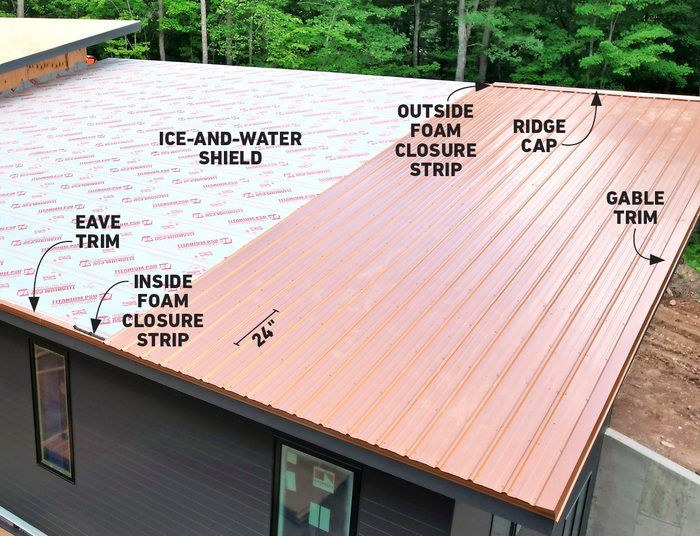
Metal roof overhang, or eave, is the horizontal extension of the roof past the exterior walls of your home. It's typically measured from the exterior wall to the roof edge. The overhang serves several purposes:
- Protects the exterior walls and foundation from water damage.
- Provides a drip edge to prevent water from flowing back under the roof.
- Enhances the aesthetic appeal of your home.
- Allows for proper ventilation and air circulation under the roof.
Factors to Consider When Determining Metal Roof Overhang
Several factors can influence the ideal overhang for your metal roof. These include:


Roof Style
The style of your roof can dictate the appropriate overhang. For example, a gable roof typically requires a larger overhang than a hip roof. This is because gable roofs have a larger surface area that needs to be protected from water damage.
Climate
Your local climate can also impact the ideal overhang. In areas with heavy snowfall, a larger overhang can help prevent ice dams from forming. Conversely, in areas with high winds, a smaller overhang may be more suitable to prevent uplift.


Building Codes
Building codes in your area may specify the minimum and maximum overhang for a metal roof. It's crucial to adhere to these regulations to ensure your roof is safe and up to code.
Recommended Metal Roof Overhang Sizes
While the ideal overhang can vary depending on the factors mentioned above, here are some general recommendations:
| Roof Style | Minimum Overhang | Maximum Overhang |
|---|---|---|
| Gable | 12 inches | 24 inches |
| Hip | 8 inches | 16 inches |
| Flat or Low-Slope | 4 inches | 12 inches |
These recommendations are a starting point and may vary based on your specific situation. Always consult with a professional roofing contractor to determine the best overhang for your metal roof.


Professional Installation Matters
Regardless of the overhang you choose, it's crucial to have your metal roof installed by a professional. A skilled roofer can ensure that your roof is properly flashed, ventilated, and secured to prevent leaks and other issues. They can also help you determine the ideal overhang based on your specific needs and circumstances.
In conclusion, determining the appropriate overhang for your metal roof involves considering several factors, including your roof style, local climate, and building codes. By understanding these factors and working with a professional roofer, you can ensure that your metal roof provides optimal protection and performance for years to come.


Related Articles

"How Far Should Your Deck Roof Overhang?"
When designing or building a deck with a roof, one crucial aspect to consider is the overhang, or the extension of the roof beyond the deck's perimeter. The...

"Deck Overhang: How Much is Safe & Stylish?"
When designing or building a deck, one crucial aspect to consider is the overhang, or the extension of the deck beyond its supporting structure. The overhang...

"Overhang on Roof: How Much is Needed?"
When designing or building a roof, one crucial aspect to consider is the overhang - the part of the roof that extends beyond the exterior walls. The overhang...

"Roof Overhang Designs: Enhance Your Home's Aesthetic & Functionality"
Roof overhang designs are a critical aspect of both the aesthetic and practical aspects of architecture. They not only enhance the curb appeal of a building...

"Child's Room Essentials: What Your Little One Needs"
A child's room is not just a place to sleep; it's a sanctuary for play, learning, and growth. Creating a safe, comfortable, and engaging environment is crucial...

"Spice Up Your Pantry: Essential Spices You Can't Live Without"
Every well-stocked pantry should include a variety of spices to enhance the flavors of your dishes. Having a well-curated spice collection allows you to...