"Overhang on Metal Roof: How Much is Ideal?"
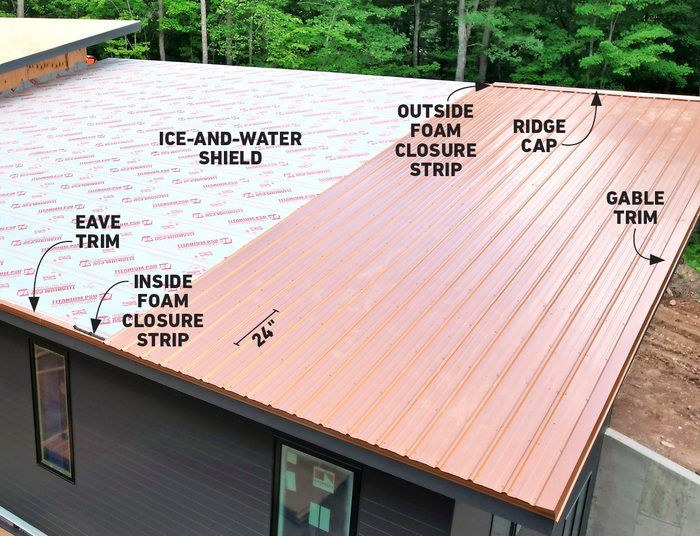
The overhang of a metal roof, often referred to as the roof's eave, plays a significant role in its functionality, aesthetics, and longevity. It's a critical design element that can impact the roof's performance and the overall appearance of your home. So, how much overhang is ideal for a metal roof? Let's delve into this topic, exploring the importance of overhang, the recommended lengths, and factors to consider when determining the optimal overhang for your metal roof.
Why Overhang Matters on a Metal Roof
Overhang on a metal roof serves several crucial purposes:
- Water Management: A sufficient overhang ensures that water is directed away from the building's exterior, preventing water damage to walls and foundations.
- Snow and Ice Control: In colder climates, overhang helps control the buildup of snow and ice, reducing the risk of ice dams and potential damage.
- Ventilation: It allows for proper attic ventilation, which helps maintain a cool and dry roof structure, preventing heat buildup and moisture accumulation.
- Aesthetics: Overhang contributes to the overall curb appeal of your home, adding a touch of elegance and balance to your roof's design.
Recommended Overhang Lengths for Metal Roofs
The ideal overhang length for a metal roof typically ranges between 1 to 2 feet (12 to 24 inches). However, the optimal length can vary depending on several factors, as we'll discuss later. As a general guideline, here are some recommended overhang lengths based on roof pitch:


| Roof Pitch | Recommended Overhang |
|---|---|
| Low-pitched roofs (less than 4/12) | 18 to 24 inches |
| Medium-pitched roofs (4/12 to 9/12) | 12 to 18 inches |
| High-pitched roofs (greater than 9/12) | 12 inches or less |
Factors Affecting the Optimal Overhang Length
While the general guidelines provide a starting point, several factors can influence the optimal overhang length for your metal roof:
- Climate: In regions with heavy snowfall or high winds, a longer overhang can help protect against ice dams and snow buildup. Conversely, in areas prone to hurricanes or strong winds, a shorter overhang may be more suitable to prevent uplift.
- Roofing Material: The weight and thickness of the metal roofing material can affect the overhang's stability. Heavier materials may require a shorter overhang to maintain structural integrity.
- Building Design: The overall design and architecture of your home can impact the optimal overhang length. For example, a home with wide eaves may require a longer overhang to maintain balance and proportion.
- Local Building Codes: Always consult local building codes and regulations, as they may specify minimum or maximum overhang lengths for your area.
Expert Tips for Determining the Optimal Overhang Length
To ensure you achieve the perfect overhang for your metal roof, consider these expert tips:


- Consult a professional roofing contractor experienced in metal roof installation. They can provide personalized advice based on your specific situation.
- Use a combination of overhang and drip edge flashing to direct water away from the building's exterior effectively.
- Ensure your roof's overhang is properly supported with sturdy rafters or roof trusses designed to handle the additional weight and stress.
- Consider the visual balance of your home's overall design. A well-proportioned overhang can enhance your home's curb appeal and complement its architectural style.
In conclusion, determining the optimal overhang length for your metal roof involves careful consideration of various factors, including climate, roofing material, building design, and local building codes. By understanding the importance of overhang and following the guidelines and tips outlined above, you can ensure your metal roof provides excellent protection, functionality, and aesthetics for years to come.




Related Articles

"Maximize Shade: Ideal Deck Roof Overhang"
When designing or building a deck with a roof, one crucial aspect to consider is the overhang. The overhang, or cantilever, is the portion of the roof that...
"Overhang on Roof: How Much is Needed?"
When designing or building a roof, one crucial aspect to consider is the overhang - the part of the roof that extends beyond the exterior walls. The overhang...

"How Far Should Your Deck Roof Overhang?"
When designing or building a deck with a roof, one crucial aspect to consider is the overhang, or the extension of the roof beyond the deck's perimeter. The...

"How Far Can a Roof Overhang Without Support?"
When it comes to roof construction, one of the most critical aspects to consider is the overhang, or the part of the roof that extends beyond the exterior...

"Add Overhang to Existing Roof: Step-by-Step Guide"
Enhance Your Roof's Aesthetic and Functionality: A Step-by-Step Guide to Adding an Overhang Adding an overhang to an existing roof is a transformative project...

"Roof Extension Cost: How Much & Why"
If you're considering extending your roof, you're likely wondering about the cost. Roof extensions, also known as dormer additions or roof conversions, can...