"How Much Overhang for Sheet Metal Roofs: The Perfect Balance"
When it comes to sheet metal roofing, one of the most critical aspects to consider is the overhang, or the extension of the roof beyond the exterior walls. The overhang plays a significant role in the roof's aesthetics, functionality, and longevity. But how much overhang is ideal for a sheet metal roof? Let's delve into this topic, exploring the importance of overhang, the ideal overhang length, and factors to consider when determining the perfect overhang for your sheet metal roof.
Understanding the Importance of Overhang in Sheet Metal Roofing
Overhang in sheet metal roofing serves several purposes. Firstly, it enhances the roof's appearance, adding a touch of elegance and sophistication to your building's exterior. Secondly, it provides protection to the building's walls and foundations from rainwater runoff. Lastly, a well-designed overhang can help regulate the building's temperature by blocking excessive sunlight during summer and allowing sunlight in during winter.
Determining the Ideal Overhang Length for Sheet Metal Roofs
The ideal overhang length for a sheet metal roof typically ranges between 1.5 to 2.5 feet. However, this can vary depending on various factors, such as the roof's pitch, the building's design, and local building codes. A longer overhang can provide more protection from the elements, but it may also increase the risk of water damage if not properly designed and installed.


Factors to Consider When Determining Overhang Length
- Roof Pitch: Steeper roofs require longer overhangs to provide adequate protection. Conversely, lower-pitched roofs may require shorter overhangs to prevent water from pooling.
- Building Design: The overhang should complement the building's design and proportions. A longer overhang on a small building may look disproportionate, while a shorter overhang on a large building may not provide sufficient protection.
- Local Building Codes: Many regions have building codes that dictate the minimum and maximum overhang lengths. It's crucial to adhere to these codes to ensure your roof is safe and compliant.
- Climate: In regions with heavy rainfall or snow, longer overhangs may be necessary to protect the building from water damage. Conversely, in areas with high winds, shorter overhangs may be more practical to prevent uplift.
Designing and Installing Sheet Metal Roofs with Overhangs
Designing and installing a sheet metal roof with an overhang requires careful planning and execution. Here are some steps to ensure a successful outcome:
- Determine the ideal overhang length based on the factors mentioned above.
- Design the roof structure to support the additional weight and load of the overhang.
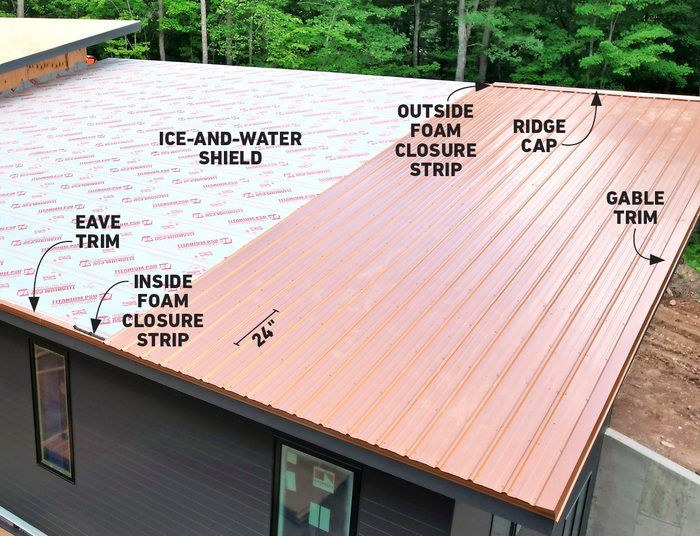
- Install flashing and drip edges to prevent water from entering the building through the overhang.
- Ensure the overhang is properly ventilated to prevent moisture buildup and heat accumulation.
- Install the sheet metal roofing panels, ensuring they are properly aligned and secured.
Maintaining Sheet Metal Roofs with Overhangs
Maintaining a sheet metal roof with an overhang involves regular inspections and timely repairs. Here are some maintenance tips:


- Inspect the roof annually for signs of damage, such as leaks, rust, or loose panels.
- Clean the roof regularly to remove debris and prevent the buildup of moss or algae.
- Check the flashing and drip edges to ensure they are intact and functioning correctly.
- Address any repairs promptly to prevent small issues from escalating into major problems.
In conclusion, the overhang on a sheet metal roof plays a crucial role in its functionality, aesthetics, and longevity. By understanding the importance of overhang, determining the ideal length, and designing and maintaining the roof properly, you can ensure your sheet metal roof provides years of reliable protection and enhances the appearance of your building.


Related Articles

"How Much Overhang for Deck Boards: The Perfect Balance"
When constructing a deck, one of the most crucial aspects to consider is the overhang of your deck boards. This refers to the distance by which the boards...
"How Much Overhang for Deck: The Perfect Balance"
When planning to build a deck, one crucial aspect to consider is the overhang, or the extension of the deck beyond its supporting structure. The overhang not...

"How Much Overhang for Trex Deck Boards: The Perfect Balance"
When it comes to building a Trex deck, one of the most common questions homeowners and DIY enthusiasts ask is: "How much overhang should I allow for Trex deck...

How Much Overhang for Flat Shed Roofs
When it comes to designing or maintaining a flat shed roof, understanding the concept of overhang is crucial. Overhang, in this context, refers to the...

"How Much Overhang on Gable Ends: The Perfect Balance"
When it comes to building or renovating a home with a gable roof, one crucial aspect to consider is the overhang at the gable ends. The overhang, or eave, is...

"How Much Overhang for Lean-To Shed Roofs?"
When it comes to lean-to shed roofs, the overhang - the extension of the roof beyond the shed's walls - is a crucial aspect that affects both aesthetics and...