"How Much Overhang Should You Allow on a Metal Roof?"
When it comes to installing a metal roof, one of the crucial aspects to consider is the overhang. The overhang, or eave, is the part of the roof that extends beyond the exterior walls of your home. Getting the overhang right is essential for both the aesthetic appeal and the functionality of your roof. But how much overhang should you have on a metal roof?
Understanding Metal Roof Overhang
Metal roof overhang serves several purposes. Firstly, it provides a finished look to your roof, enhancing its curb appeal. Secondly, it helps to protect the exterior walls and the foundation of your home from rainwater and snow melt. Lastly, it allows for proper ventilation, preventing heat and moisture buildup in your attic.
Factors Affecting Metal Roof Overhang
The ideal metal roof overhang can vary depending on several factors:


- Roof Pitch: Steeper roofs typically require more overhang to ensure proper water runoff and to prevent ice dams.
- Climate: In areas with heavy snowfall, a larger overhang can help to keep snow from sliding off the roof and damaging gutters or causing injury.
- Building Codes: Local building codes may dictate the minimum and maximum overhang allowed for your specific location.
- Roofing Material: The type of metal roofing you choose can also influence the overhang. For instance, standing seam metal roofs can accommodate a larger overhang than metal shingles.
Recommended Metal Roof Overhang Sizes
As a general rule, metal roof overhang should be between 1 to 2 feet. However, this can vary based on the factors mentioned above. Here are some recommended overhang sizes for different roof pitches:
| Roof Pitch | Recommended Overhang |
|---|---|
| 4:12 | 12 inches |
| 6:12 | 18 inches |
| 8:12 | 24 inches |
| 12:12 | 36 inches |
It's essential to note that these are just guidelines. Always consult with a professional roofing contractor or a local building inspector to determine the optimal overhang for your specific situation.


Proper Installation of Metal Roof Overhang
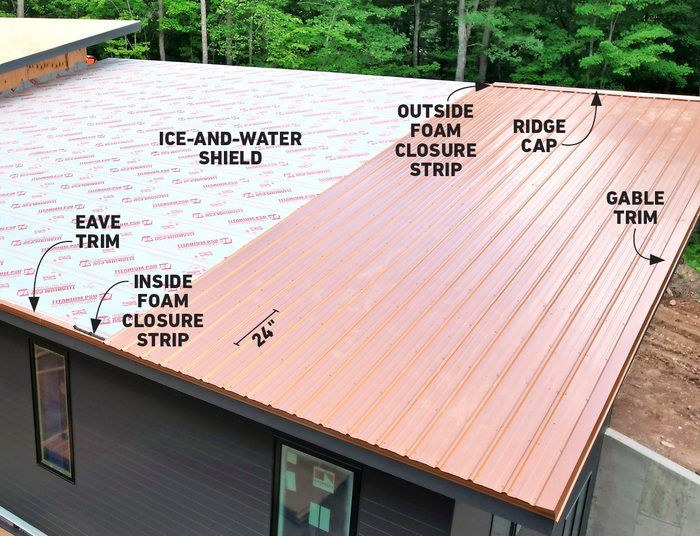
Installing a metal roof overhang involves several steps. Firstly, the roof's edge must be properly flashed to prevent water intrusion. Then, the overhang is installed, typically using hangers or straps to secure it to the roof structure. Finally, the overhang is finished with drip edge flashing to direct water away from the roof and walls.
Proper installation is crucial to ensure the longevity and functionality of your metal roof overhang. Therefore, it's highly recommended to hire a professional roofing contractor with experience in metal roof installation.
In the world of metal roofing, there's no one-size-fits-all answer to the question of how much overhang you should have. The ideal overhang depends on various factors, including your roof's pitch, the local climate, and building codes. By understanding these factors and consulting with professionals, you can ensure that your metal roof overhang is both functional and aesthetically pleasing.




Related Articles

"How Much Overhang Should You Allow on Deck Boards?"
When building or renovating a deck, one crucial aspect that often goes overlooked is the overhang of deck boards. This seemingly minor detail can significantly...
"Deck Overhang: How Much is Safe & Stylish?"
When designing or building a deck, one crucial aspect to consider is the overhang, or the extension of the deck beyond its supporting structure. The overhang...

"How Far Should Your Deck Roof Overhang?"
When designing or building a deck with a roof, one crucial aspect to consider is the overhang, or the extension of the roof beyond the deck's perimeter. The...
"Overhang on Roof: How Much is Needed?"
When designing or building a roof, one crucial aspect to consider is the overhang - the part of the roof that extends beyond the exterior walls. The overhang...
"Max Deck Overhang: How Much is Too Much?"
When it comes to building or renovating a deck, one of the most common questions homeowners and DIY enthusiasts ask is: "How much overhang can you have on deck...

"Trex Decking Overhang: How Much Is Too Much?"
When installing Trex decking, one of the key considerations is the overhang, or the extension of the deck boards beyond the supporting joists. The overhang can...