"Metal Roof Overhang: How Much Side Overhang is Ideal?"
The overhang of a metal roof, also known as the roof edge or eave, plays a crucial role in its functionality and aesthetics. It's a common question among homeowners and builders: how much side overhang should a metal roof have? This guide will delve into the ideal side overhang for metal roofs, its importance, and how to determine the right overhang for your specific needs.
Understanding Metal Roof Overhang
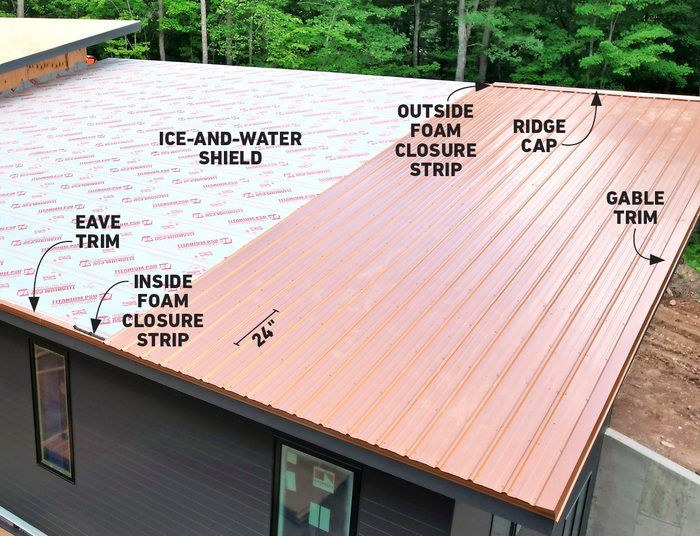
Metal roof overhang refers to the extension of the roof beyond the exterior walls of your home. It's typically measured from the exterior wall to the roof's edge. A well-designed overhang can enhance your home's curb appeal, protect the walls and siding from weather elements, and provide a welcoming entryway.
Why is Side Overhang Important?
Metal roof overhang serves several practical and aesthetic purposes:


- Weather Protection: A sufficient overhang shields your home's walls and siding from rain, snow, and ice, preventing water damage and extending their lifespan.
- Ventilation: It allows for proper attic ventilation, preventing heat buildup and moisture accumulation, which can lead to mold and mildew growth.
- Aesthetics: A well-proportioned overhang can enhance your home's curb appeal, complementing its architecture and design.
- Safety: It provides a safe, dry entryway, protecting you and your guests from the elements.
Determining the Ideal Metal Roof Overhang
The ideal metal roof overhang can vary depending on your home's design, location, and local building codes. However, as a general rule, a metal roof overhang should be between 1 to 2 feet (12 to 24 inches).
Factors to Consider
When determining the right overhang for your metal roof, consider the following factors:


- Roof Pitch: Steeper roofs typically require a larger overhang to provide adequate protection.
- Local Climate: Homes in areas with heavy snowfall or rainfall may need a larger overhang for better protection.
- Building Codes: Always check local building codes and regulations, as they may dictate the minimum or maximum overhang allowed.
- Home Design: The overhang should complement your home's architecture and design. For example, a larger overhang can create a more dramatic look on a contemporary home, while a smaller overhang may be more suitable for a traditional or historic home.
Metal Roof Overhang vs. Drip Edge
It's essential to understand the difference between a metal roof overhang and a drip edge. A drip edge is a metal flashing installed at the roof's edge to direct water away from the fascia and into the gutter. While a drip edge is crucial for preventing water damage, it does not replace the need for an adequate overhang.
Installing a Metal Roof Overhang
Installing a metal roof overhang involves several steps, including measuring, cutting, and securing the overhang to the roof's structure. It's essential to follow manufacturer guidelines and local building codes to ensure a safe and durable installation. If you're unsure about any aspect of the installation, consult a professional metal roofing contractor.
Maintaining Your Metal Roof Overhang
Regular maintenance is crucial for ensuring the longevity and performance of your metal roof overhang. Inspect your overhang periodically for signs of damage, such as rust, corrosion, or loose screws. Clean your overhang regularly to prevent the buildup of dirt, debris, and algae. Address any issues promptly to prevent them from becoming more significant and costly problems.


In conclusion, determining the right side overhang for your metal roof is essential for protecting your home, enhancing its curb appeal, and ensuring the longevity of your roof. By considering your home's design, local climate, and building codes, you can choose the ideal overhang for your specific needs. Always consult a professional metal roofing contractor if you're unsure about any aspect of the installation or maintenance of your metal roof overhang.


Related Articles

"Maximize Shade: Ideal Deck Roof Overhang"
When designing or building a deck with a roof, one crucial aspect to consider is the overhang. The overhang, or cantilever, is the portion of the roof that...

"Overhang on Roof: How Much is Needed?"
When designing or building a roof, one crucial aspect to consider is the overhang - the part of the roof that extends beyond the exterior walls. The overhang...

"How Far Should Your Deck Roof Overhang?"
When designing or building a deck with a roof, one crucial aspect to consider is the overhang, or the extension of the roof beyond the deck's perimeter. The...

"How Far Can a Roof Overhang Without Support?"
When it comes to roof construction, one of the most critical aspects to consider is the overhang, or the part of the roof that extends beyond the exterior...

"Add Overhang to Existing Roof: Step-by-Step Guide"
Enhance Your Roof's Aesthetic and Functionality: A Step-by-Step Guide to Adding an Overhang Adding an overhang to an existing roof is a transformative project...

"Roof Extension Cost: How Much & Why"
If you're considering extending your roof, you're likely wondering about the cost. Roof extensions, also known as dormer additions or roof conversions, can...