"Caring for Stonecrop Sedum: A Comprehensive Guide"
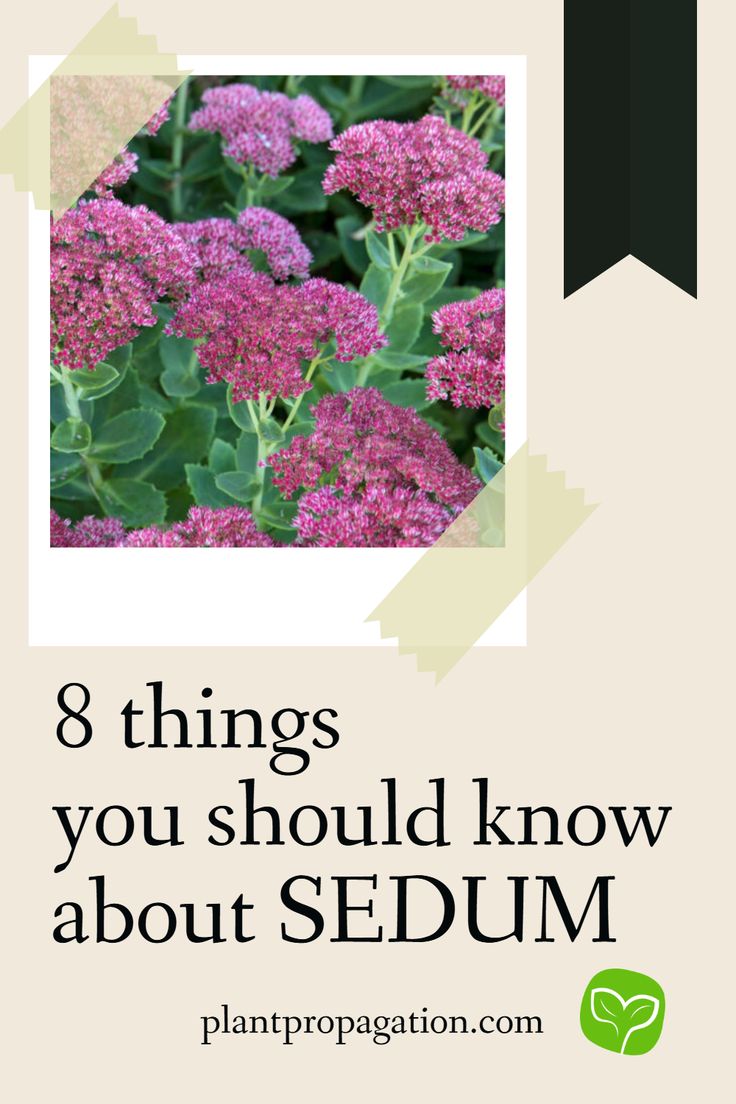
Stonecrop sedum, a hardy and versatile succulent, is a delightful addition to any garden or indoor space. With its fleshy leaves and vibrant flowers, it's not only attractive but also low-maintenance. Here, we'll guide you through the best practices for caring for your stonecrop sedum, ensuring it thrives in its environment.
Understanding Stonecrop Sedum
Stonecrop sedum, scientifically known as Sedum spurium, is a perennial plant that belongs to the Crassulaceae family. It's native to Europe and Asia but is widely cultivated worldwide. This succulent is known for its ability to thrive in harsh conditions, making it an excellent choice for rock gardens, borders, or container gardening.
Choosing the Right Location
Stonecrop sedum prefers a location with full sun to partial shade. It's essential to ensure the plant receives at least 4-6 hours of sunlight daily. However, it can tolerate a wide range of light conditions, making it adaptable to various garden settings.


Ideal Soil Conditions
Stonecrop sedum grows best in well-draining soil. It can tolerate a wide range of soil types, from sandy to clay, but it's crucial to ensure the soil doesn't hold too much water. This is because stonecrop sedum is susceptible to root rot if the soil remains wet for extended periods.
Watering and Humidity
Stonecrop sedum is drought-tolerant once established, requiring minimal watering. Here's a simple watering guide:


- Water newly planted stonecrop sedum regularly until it's established (about 2-3 months).
- Once established, reduce watering to once every 2-3 weeks, depending on the weather and soil conditions.
- Avoid overwatering. Allow the top inch of soil to dry out between waterings.
Fertilizing and Pruning
Stonecrop sedum is a low-maintenance plant that doesn't require frequent fertilizing. However, you can apply a balanced, slow-release fertilizer in early spring to encourage healthy growth.
Pruning is not typically necessary for stonecrop sedum, but you can pinch back leggy stems in early spring to encourage bushier growth. Additionally, deadheading spent flowers can promote reblooming.
Pest and Disease Management
Stonecrop sedum is generally resistant to pests and diseases. However, keep an eye out for common succulent pests like mealybugs and spider mites. If you notice any pests, treat the plant with insecticidal soap or neem oil.


To prevent diseases, ensure good air circulation around the plant and avoid overwatering. If you notice signs of disease, such as black spots on leaves or wilting, isolate the plant and treat it with a fungicide.
Propagating Stonecrop Sedum
Stonecrop sedum is easy to propagate from stem cuttings. Here's how:
- Cut a healthy stem into 2-3 inch sections, ensuring each section has a few nodes (the points where leaves emerge).
- Allow the cuttings to callous for a day or two to prevent rot.
- Plant the cuttings in well-draining soil and water sparingly until they're established.
Stonecrop sedum can also be propagated from leaf cuttings. Follow the same steps as above, using a leaf instead of a stem.


Winter Care
Stonecrop sedum is hardy and can withstand freezing temperatures. However, in extreme cold, it may benefit from a layer of mulch or a protective covering. In spring, remove any dead or damaged foliage and watch your stonecrop sedum thrive once again.
Caring for stonecrop sedum is a rewarding experience, as it's a low-maintenance plant that provides abundant color and texture to your garden. With the right care, it will flourish and bring joy to your outdoor space for years to come.
Related Articles

"Caring for Mexican Petunias: A Comprehensive Guide"
Mexican petunias, also known as Ruellia simplex, are vibrant, trumpet-shaped flowers that add a splash of color to any garden. Native to Mexico and Central...

"Caring for Citrus Trees in Pots: A Comprehensive Guide"
Caring for Citrus Trees in Pots: A Comprehensive Guide Citrus trees, such as lemons, limes, oranges, and grapefruits, can thrive in pots, bringing a touch of...

"Caring for Petunias: A Comprehensive Guide"
Petunias are vibrant, colorful flowers that can brighten up any garden or indoor space. They are relatively easy to care for, making them a popular choice...

"Caring for Wave Petunias: A Comprehensive Guide"
Caring for Wave Petunias: A Comprehensive Guide Wave petunias, known for their vibrant colors and cascading growth habit, are a delightful addition to any...

"Caring for Citrus Plants: A Comprehensive Guide"
Citrus plants, with their vibrant colors and refreshing scents, are a delight to have in any garden or indoor space. Whether you're growing lemons, limes...

"Caring for Begonias: A Comprehensive Guide"
Begonias, with their vibrant colors and lush foliage, are a delight to any garden or indoor space. These plants, native to tropical and subtropical regions...