"Designing a Neutral Living Room: A Step-by-Step Guide"
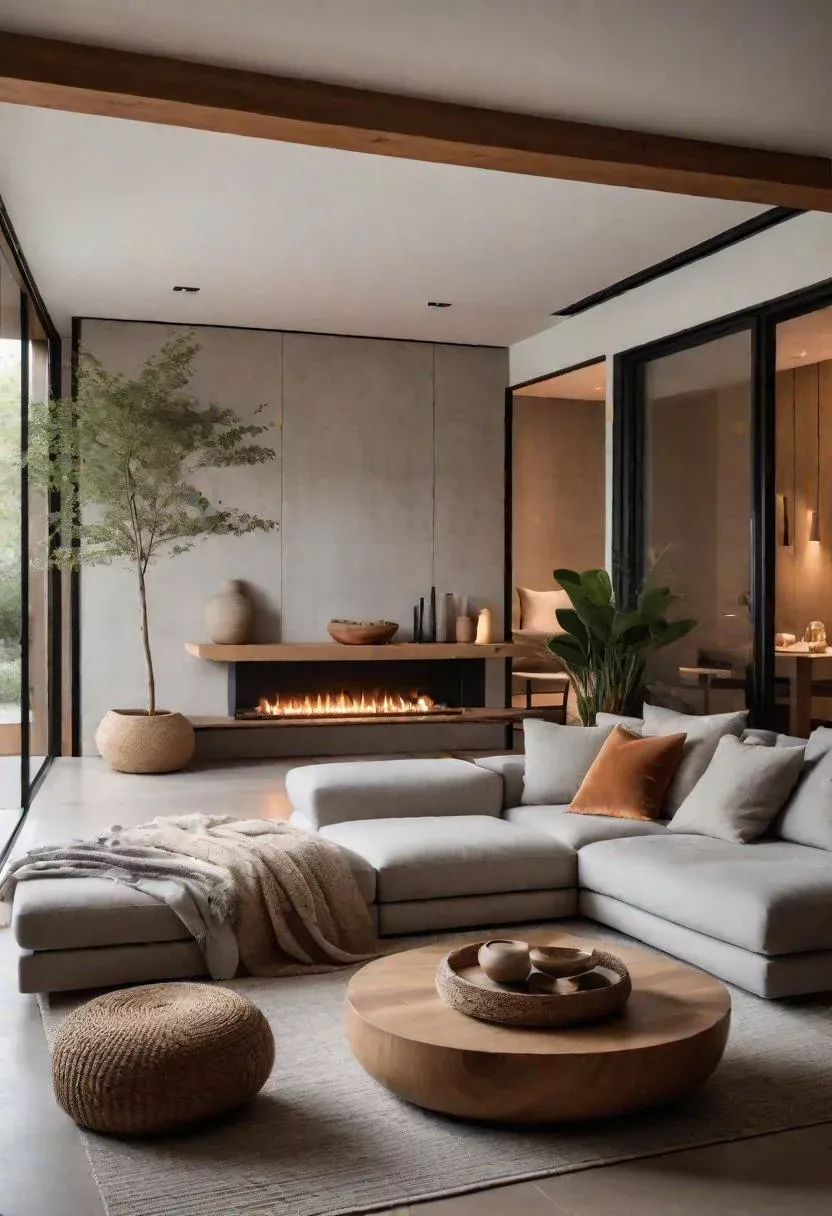
Creating a neutral living room can be a challenge, but it doesn't have to be bland or boring. Neutral doesn't mean devoid of color; it's about creating a harmonious, balanced space that's both calming and inviting. Here's how to design a neutral living room that's anything but dull.
Understanding Neutral Colors
Neutral colors are those that are neither warm nor cool, and they include shades like beige, gray, white, black, and brown. However, don't limit yourself to these hues. Neutrals can also include soft blues, greens, and even pinks when used in the right context.
When selecting neutral colors, consider the undertones. Warm undertones can create a cozy atmosphere, while cool undertones can make a space feel larger and more airy.


Choosing a Color Palette
Start by selecting a dominant color for your walls. This will serve as the backdrop for your entire room. Once you've chosen your dominant color, select two to three additional shades that complement it. These will be used for your furniture, textiles, and accessories.
Remember, neutral doesn't mean monochromatic. Varying shades of the same color can add depth and interest to your space. For example, you might pair a light gray wall with a medium gray sofa and dark gray throw pillows.


Selecting Furniture
When choosing furniture for a neutral living room, opt for pieces that are both functional and aesthetically pleasing. Neutral furniture allows you to easily change up your decor without having to invest in new pieces every time you want a refresh.
Consider the scale of your furniture. In a neutral room, it's important to create visual interest through varied shapes and sizes. Mix in some smaller pieces with larger ones to create balance and harmony.
Layering Textiles
Textiles are a great way to add warmth, texture, and interest to a neutral living room. Layer rugs, throw pillows, blankets, and curtains in different shades of your chosen color palette.


Don't be afraid to mix patterns and textures. A neutral base allows bold patterns to shine without overwhelming the space. Just ensure that the patterns are in the same color family to maintain a cohesive look.
Lighting
Lighting can make or break a neutral living room. It's crucial to layer your lighting to create a warm, inviting atmosphere. Start with ambient lighting, such as overhead fixtures or wall sconces, then add task lighting for reading or working, and finally, incorporate accent lighting to highlight artwork or architectural features.
Consider using warm-toned bulbs to enhance the cozy factor of your neutral living room. LED bulbs with a color temperature of around 2700K to 3000K are ideal for creating a soft, inviting glow.




Accessories and Decor
Accessories and decor are where you can have the most fun in a neutral living room. Use them to add personality, interest, and a touch of color. Think about incorporating metallic accents, natural materials like wood or stone, and greenery to bring life to your space.
Don't forget about artwork. A neutral room is the perfect canvas for a statement piece or a gallery wall. Choose art that speaks to your personal style and complements your color palette.
Putting It All Together
Designing a neutral living room is all about balance and harmony. Start with a cohesive color palette, then layer in furniture, textiles, lighting, and accessories to create a space that's both timeless and inviting.
Remember, the goal is to create a space that feels comfortable and lived-in, not sterile or boring. Don't be afraid to mix different styles and textures, and always consider how the space will be used when making design decisions.
Related Articles

"Designing a Dual-Purpose Home Office Guest Room: A Step-by-Step Guide"
Creating a functional and inviting home office guest room can be a challenge, but with the right design and organization, it's absolutely achievable. This room...

"Designing a Dream Shower Room: A Step-by-Step Guide"
Designing a shower room can be an exciting project, transforming a functional space into a personal oasis. Whether you're aiming for a sleek, modern look or a...

"Designing a Cottage Garden Border: A Step-by-Step Guide"
Designing a Charming Cottage Garden Border: A Comprehensive Guide Creating a captivating cottage garden border is an exciting task that combines creativity...

"Designing Tropical Gardens: A Step-by-Step Guide"
Embarking on a journey to create a lush, tropical garden can be an incredibly rewarding experience. The vibrant colors, exotic plants, and soothing sounds of...

"Designing Small Backyard Landscapes: A Step-by-Step Guide"
Transforming a small backyard into a functional and inviting space can be a rewarding challenge. With the right design, you can create an oasis that reflects...

"Designing Columns in PDF: A Step-by-Step Guide"
Creating a column-based PDF design can be a powerful way to present information in a structured and easy-to-read format. Whether you're designing a report, a...