**Metal Roof Installation on Metal Buildings: Step-by-Step Guide**
Installing a metal roof on a metal building can significantly enhance its durability, energy efficiency, and aesthetic appeal. This comprehensive guide will walk you through the process, ensuring a professional and long-lasting result.
Understanding Metal Roofing Systems
Before you begin, it's crucial to understand the different types of metal roofing systems. The most common are:
- Standing Seam: Known for its clean, sleek look, standing seam roofs have vertical legs and a seam that rises above the level of the panel's flat area.
- Corrugated: These roofs have a wavy or ribbed pattern, providing excellent strength and durability.
- Metal Shingles: Designed to mimic the look of traditional asphalt shingles, metal shingles offer the benefits of metal roofing with a more conventional appearance.
Preparation: Tools and Materials
Gather the necessary tools and materials before you start. You'll need:


- Metal roofing panels
- Underlayment (felt or synthetic)
- Drip edge flashing
- Ridge cap flashing
- Screws or nails (depending on the roofing system)
- Roofing nailer or screw gun
- Tape measure
- Circular saw or tin snips
- Ladder
- Safety equipment (harness, hard hat, gloves, etc.)
Step-by-Step Installation Guide
Step 1: Install Underlayment
The underlayment provides an extra layer of protection against moisture and wind. Install it in a staggered pattern, overlapping each sheet by at least 4 inches.
Step 2: Install Drip Edge Flashing
Drip edge flashing prevents water from getting behind the roofing panels and helps direct water away from the building. Install it along the eaves and rakes.

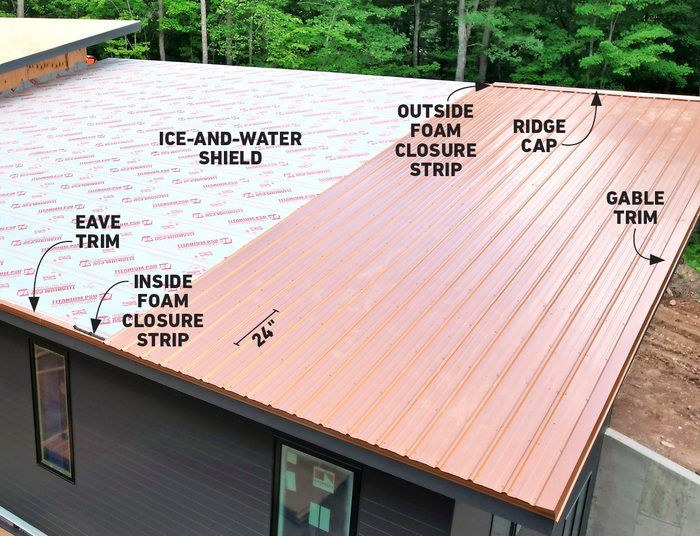

Step 3: Install Metal Roofing Panels
Start at the lowest point of the roof and work your way up. Ensure each panel is properly aligned and secured with screws or nails according to the manufacturer's instructions. Use a roofing nailer or screw gun for consistent and efficient installation.
Step 4: Install Ridge Cap Flashing
Ridge cap flashing protects the peak of the roof from water intrusion. Install it once the roofing panels are in place, ensuring a tight fit and proper alignment.
Troubleshooting Common Issues
While installing a metal roof, you may encounter some common issues. Here's how to troubleshoot them:


| Issue | Solution |
|---|---|
| Panel Warping | Use a straight edge to align the panel and secure it with additional screws or nails. |
| Water Leaks | Inspect the underlayment and flashing for tears or gaps. Repair as necessary. |
| Screw or Nail Back-out | Use a washer or a larger head screw to prevent back-out. Ensure screws or nails are properly secured. |
Maintenance and Care
Regular maintenance is key to extending the lifespan of your metal roof. Inspect it annually for signs of damage, and clean it as needed to prevent the buildup of dirt and debris.


Related Articles

"Install Metal Siding on Metal Buildings: A Step-by-Step Guide"
How to Install Metal Siding on a Metal Building Installing metal siding on a metal building is a practical and aesthetically pleasing way to enhance your...
"Install Metal Siding: Step-by-Step Guide for Buildings"
Installing Metal Siding on a Building: A Comprehensive Guide Metal siding is a durable, low-maintenance, and aesthetically pleasing option for building...

"Metal Garden Edging Installation: A Step-by-Step Guide"
Transforming your garden into a well-manicured paradise often starts with defining its boundaries. Metal garden edging not only adds a touch of sophistication...

"Build Metal Building Interior Walls: Step-by-Step Guide"
Building interior walls in metal buildings can significantly enhance their functionality and aesthetics. This process, though requiring careful planning and...

Metal Carport Installation: Step-by-Step Guide
Embarking on a metal carport installation project can be a rewarding DIY venture, providing your vehicle with a sturdy, weather-resistant shelter. This...

"Building a Flat Roof with Overhang: Step-by-Step Guide"
Building a flat roof with an overhang can enhance the aesthetic appeal of your structure and provide additional protection from the elements. This guide will...