"Sedum Care 101: How to Support & Grow These Hardy Succulents"
Sedum plants, often referred to as stonecrops, are a hardy and versatile group of succulents that are beloved for their low-maintenance nature and stunning foliage. Whether you're a seasoned gardener or a beginner, supporting the growth of sedum plants can be a rewarding experience. In this guide, we'll delve into the world of sedum care, providing you with practical tips on how to support these remarkable plants and help them thrive in your garden or indoor space.
Understanding Sedum Plants
Before we dive into the specifics of sedum care, it's essential to understand the unique characteristics of these plants. Sedums are succulents, which means they store water in their leaves and stems, making them drought-tolerant. They are also known for their ability to grow in a wide range of conditions, from full sun to partial shade, and in various soil types. With over 600 species, sedums come in a variety of shapes, sizes, and colors, offering a wealth of options for any gardening enthusiast.
Choosing the Right Sedum for Your Space
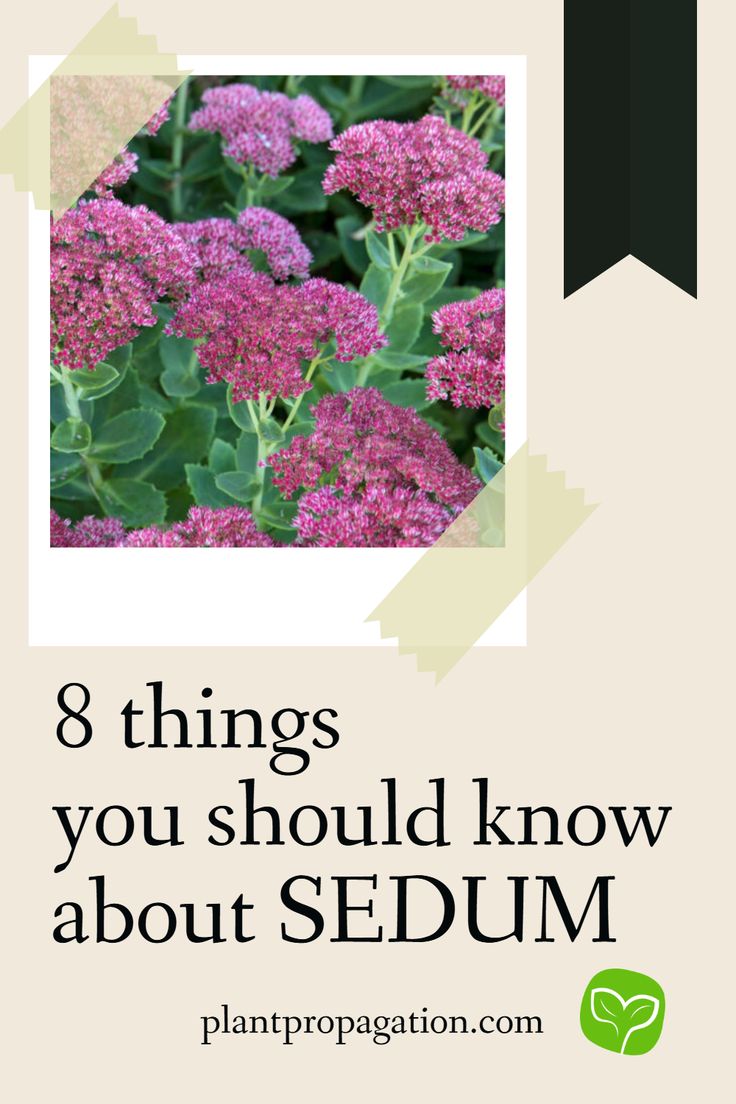
When selecting sedum plants, consider the conditions in your garden or indoor space. Some sedums, like 'Autumn Joy' and 'Angelina', are highly adaptable and can thrive in a variety of conditions. Others, such as 'Dragon's Blood' and 'Purple Emperor', prefer more specific growing conditions. Research the specific needs of the sedum species you're interested in to ensure they'll be a good fit for your space.


Providing Optimal Growing Conditions
While sedums are known for their hardiness, they still require specific growing conditions to thrive. Here are some key factors to consider:
- Light: Most sedums prefer full sun, which means at least 6 hours of direct sunlight per day. However, some varieties can tolerate partial shade, especially in hotter climates.
- Soil: Sedums prefer well-draining soil with a pH between 5.5 and 7. They can tolerate a wide range of soil types, from sandy to clay, as long as the soil doesn't remain wet.
- Water: As succulents, sedums are drought-tolerant and require minimal watering. Allow the soil to dry out between waterings to prevent root rot.
- Temperature: Most sedums are hardy and can tolerate temperatures as low as -20°F (-29°C). However, some tropical species may require protection from frost.
Caring for Sedum Plants
Once you've provided your sedums with the optimal growing conditions, it's essential to maintain their health through regular care. Here are some tips to help you support your sedum plants:


Watering
As mentioned earlier, sedums are drought-tolerant and require minimal watering. Water your sedums deeply but infrequently, allowing the soil to dry out between waterings. Reduce watering in the fall and winter months, as sedums are dormant during this time and require less water.
Fertilizing
Sedums are not heavy feeders and typically don't require frequent fertilization. However, you can apply a balanced, slow-release fertilizer in the spring to encourage healthy growth. Avoid fertilizing in the fall and winter, as this can stimulate new growth that may be damaged by cold temperatures.
Pruning
Pruning sedums is not always necessary, but it can help maintain their shape and encourage bushier growth. The best time to prune sedums is in the spring, just as new growth begins. Remove any dead or damaged leaves and stems, and cut back leggy growth to encourage bushier growth. Some sedums, like 'Autumn Joy', may benefit from a light prune in the fall to remove spent flowers and prevent self-seeding.


Dividing and Propagating
Sedums can be easily propagated from stem or leaf cuttings, making them an excellent choice for gardeners looking to expand their plant collection. To propagate sedums, simply take a cutting from a healthy plant and allow it to callous over for a few days. Then, place the cutting in a well-draining potting mix and water sparingly until roots form. Once rooted, transplant the cutting into its permanent location.
Troubleshooting Common Sedum Issues
While sedums are generally low-maintenance, they can still encounter issues from time to time. Here are some common problems and their solutions:
| Issue | Cause | Solution |
|---|---|---|
| Yellowing leaves | Overwatering or poor drainage | Reduce watering and improve drainage by adding perlite or sand to the soil |
| Wilting or leggy growth | Insufficient light or nutrient deficiency | Ensure the plant receives at least 6 hours of direct sunlight and apply a balanced fertilizer in the spring |
| Black spots on leaves | Fungal infection or bacterial spot | Remove affected leaves and treat with a fungicide or bactericide, if necessary. Improve air circulation around the plant |
| Mealybugs or scale insects | Pests | Isolate affected plants and treat with insecticidal soap or neem oil. Monitor the plant regularly to ensure pests don't return |
By understanding the unique needs of sedum plants and providing them with the optimal growing conditions, you can support their growth and enjoy their beauty for years to come. Whether you're looking to create a low-maintenance garden or add a touch of greenery to your indoor space, sedums are an excellent choice for gardeners of all skill levels.


Related Articles

"Rock Rose Care: How to Grow & Nurture These Hardy Shrubs"
How to Grow Rock Rose: A Comprehensive Guide Rock rose (Helianthemum), also known as sun rose, is a hardy and attractive shrub that thrives in well-drained...

"Low-Maintenance Plants for Privacy: Easy Care, Quick Grow"
Creating a private sanctuary in your outdoor space doesn't have to be a high-maintenance endeavor. By strategically planting low-maintenance plants, you can...

"Tropical Plants for Zone 6: Hardy & Beautiful"
Embarking on a gardening journey in USDA Plant Hardiness Zone 6? You might be surprised to learn that you can cultivate a diverse array of tropical plants...
"Sedum Ideas: Inspiring Ways to Grow and Use Succulents"
Sedum, often referred to as stonecrop, is a versatile and hardy succulent that has gained significant popularity in recent years due to its low maintenance...

"Low Light Office Plants: Boost Your Space with These Hardy Greens"
If you're working in an office with limited natural light, you might think that maintaining plants is a daunting task. However, there are numerous low-light...

"Texas Sage Landscaping: Transform Your Yard with These Hardy Plants"
Embracing the unique beauty of Texas, the **Texas Sage** (Leucophyllum frutescens) has become a staple in Texas landscaping. This evergreen shrub, native to...