"Trimming Cedar Hedges: A Step-by-Step Guide"
Cedar trees are a popular choice for hedges due to their fast growth, dense foliage, and attractive appearance. However, like any other plant, they require regular maintenance to keep them healthy and looking their best. Trimming a cedar tree hedge is a crucial part of this maintenance, and when done correctly, it can enhance the hedge's beauty and encourage healthy growth. Here's a comprehensive guide on how to trim a cedar tree hedge, optimized for search engines and written in a human-like, engaging manner.
Understanding Cedar Tree Hedge Growth
Before you start trimming, it's essential to understand how cedar trees grow. Cedar trees have a natural growth habit that makes them ideal for hedges. They grow in a pyramid shape, with the branches growing denser and smaller as they move up the trunk. This means that the lower branches will be larger and require more frequent trimming than the upper ones.
When to Trim Your Cedar Tree Hedge
Timing is crucial when it comes to trimming cedar trees. The best time to trim a cedar tree hedge is in late winter or early spring, just before new growth begins. This allows the hedge to recover quickly from the trimming and promotes new growth. However, if your hedge is overgrown and you need to trim it urgently, you can do so at any time of the year, but avoid trimming during the fall as it can encourage new growth that will be damaged by winter frost.


Gather Your Tools
Before you start trimming, make sure you have the right tools. You'll need a pair of bypass loppers for cutting larger branches, a pair of handheld pruners for smaller branches, and a hedge trimmer for shaping the hedge. Safety gear is also essential, including gloves, safety glasses, and ear protection if you're using a powered hedge trimmer.
How to Trim a Cedar Tree Hedge: Step-by-Step
Step 1: Prepare the Hedge
Before you start trimming, remove any dead, diseased, or damaged branches from the hedge. This will make the trimming process easier and help prevent the spread of disease. Also, make sure the area around the hedge is clear of debris to prevent damage to your tools and to make the trimming process safer.
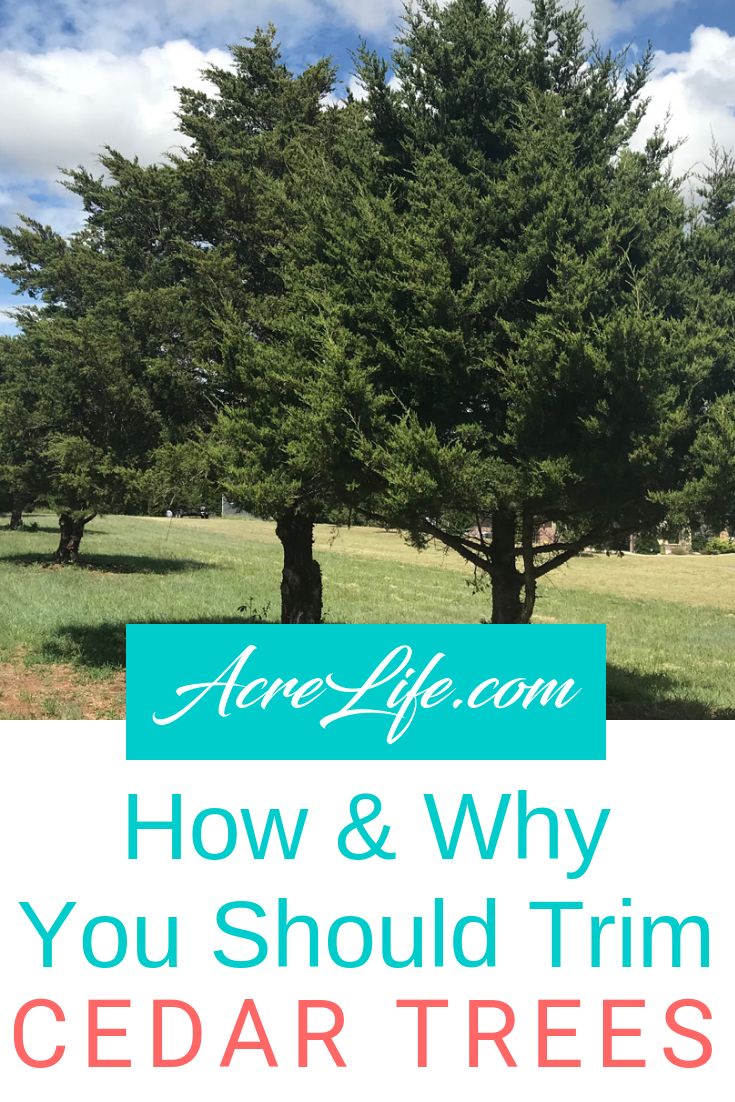


Step 2: Determine the Shape
Cedar trees naturally grow in a pyramid shape, so you'll want to maintain this shape when trimming. However, you can also create other shapes, such as a rounded or formal hedge, depending on your preference. Use stakes and strings to mark out the shape you want to achieve.
Step 3: Start Trimming
Start trimming from the top of the hedge, working your way down. This will help you maintain the pyramid shape and prevent the hedge from becoming too top-heavy. Use your hedge trimmer to cut the top of the hedge, following the shape you've marked out. Be careful not to cut too much off the top, as this can damage the hedge and encourage new growth that will be difficult to maintain.
Step 4: Trim the Sides
Once you've trimmed the top of the hedge, move on to the sides. Use your hedge trimmer to cut the sides of the hedge, following the shape you've marked out. Be careful not to cut into the inner branches, as this can damage the hedge and encourage disease. Also, make sure to cut the sides at a slight angle, with the bottom of the hedge slightly wider than the top. This will help the hedge receive more sunlight and promote healthy growth.


Step 5: Trim Individual Branches
After you've trimmed the overall shape of the hedge, use your loppers and pruners to trim individual branches. Start at the bottom of the hedge and work your way up, removing any branches that are growing inwards or out of shape. Be careful not to cut too much off individual branches, as this can damage the hedge and encourage new growth that will be difficult to maintain.
Step 6: Clean Up
Once you've finished trimming, make sure to clean up the area around the hedge. Remove any cut branches and dispose of them properly. Also, make sure to clean your tools thoroughly to prevent the spread of disease.
Caring for Your Cedar Tree Hedge After Trimming
After trimming, your cedar tree hedge will need some extra care to help it recover and promote new growth. Water the hedge deeply after trimming, and continue to water it regularly throughout the growing season. Also, consider applying a balanced fertilizer to the hedge to provide it with the nutrients it needs to grow. Finally, make sure to monitor the hedge for signs of disease or pests, and treat any issues promptly to prevent them from spreading.


Tips for Maintaining a Healthy Cedar Tree Hedge
- Prune your cedar tree hedge regularly, ideally once a year in late winter or early spring.
- Make sure your hedge receives at least six hours of sunlight per day.
- Water your hedge deeply and regularly, especially during dry periods.
- Apply a balanced fertilizer to your hedge in the spring and fall.
- Monitor your hedge for signs of disease or pests, and treat any issues promptly.
Trimming a cedar tree hedge may seem like a daunting task, but with the right tools and techniques, it's a manageable job that can greatly enhance the beauty and health of your hedge. By following the steps outlined above and providing your hedge with the care it needs, you can maintain a healthy, attractive cedar tree hedge for years to come.
Related Articles
"Trimming Fir Tree Hedges: A Step-by-Step Guide"
Embracing the timeless charm of fir trees in your garden? Regular trimming not only maintains their aesthetic appeal but also promotes healthy growth. Here's a...
"Hedge Trimmer Tree Trimming Tips: A Step-by-Step Guide"
Embarking on a tree-trimming project? A hedge trimmer can be your best friend, making quick work of overgrown branches and maintaining your garden's neat and...
"Trimming Your Hedge Tree: A Step-by-Step Guide"
Pruning your hedge trees is an essential part of maintaining their health and appearance. It not only keeps your garden looking neat and tidy but also...

"Trimming Flowers in Pots: A Step-by-Step Guide"
Pruning flowers in a pot may seem daunting, but with the right techniques, it can encourage bushier growth and more blooms. Here's a comprehensive guide to...

"Trimming Flower Beds: A Step-by-Step Guide"
Creating well-defined edges around your flower beds not only enhances your garden's aesthetic appeal but also helps control weed growth and maintains a neat...

"Hedge Tree Identification: A Step-by-Step Guide"
In the realm of gardening and landscaping, hedge trees are a staple due to their versatility and aesthetic appeal. They serve as excellent barriers, provide...