"Is Contemporary Modern? A Comprehensive Guide"
Contemporary and modern are two terms that are often used interchangeably in design and architecture, but they actually refer to distinct periods and styles. While both terms denote a departure from traditional styles, they have unique characteristics that set them apart. Let's delve into the world of contemporary and modern design to understand the nuances that make them unique yet related.
Understanding Modern Design
Modern design, also known as Mid-Century Modern, emerged in the mid-20th century, roughly between 1933 and 1965. This period was marked by a shift towards functionality, simplicity, and the use of new materials like plastic, plywood, and steel. The modernist movement was a reaction against the ornate and decorative styles of the past, advocating for a return to simplicity and functionality.
Key Features of Modern Design
- Simplicity and functionality
- Use of new materials like steel, glass, and plastic
- Open floor plans and integration with nature
- Influenced by the Bauhaus school of design
Contemporary Design: An Evolution of Modern
Contemporary design, on the other hand, is a more recent phenomenon, emerging in the late 20th century and continuing to the present day. It is an evolution of modern design, incorporating influences from various cultures and historical periods. Contemporary design is characterized by its eclecticism, blending elements from different styles and periods to create unique, personalized spaces.


Distinguishing Features of Contemporary Design
- Eclectic mix of styles and periods
- Incorporation of technology and sustainable materials
- Emphasis on personal expression and individuality
- Influenced by global cultures and historical movements
Comparing Contemporary and Modern Design
While both contemporary and modern design share a commitment to functionality and simplicity, they differ in their approach to style and aesthetics. Modern design is characterized by its clean lines, minimal ornamentation, and a focus on functionality. Contemporary design, however, is more eclectic, blending elements from different styles and periods to create unique, personalized spaces.
Here's a simple table to compare the two:


| Aspect | Modern Design | Contemporary Design |
|---|---|---|
| Period | Mid-20th century (1933-1965) | Late 20th century to present |
| Style | Clean lines, minimal ornamentation | Eclectic mix of styles and periods |
| Materials | Steel, glass, plastic, plywood | Sustainable materials, technology-integrated |
Contemporary Modern: A Blend of Both Worlds
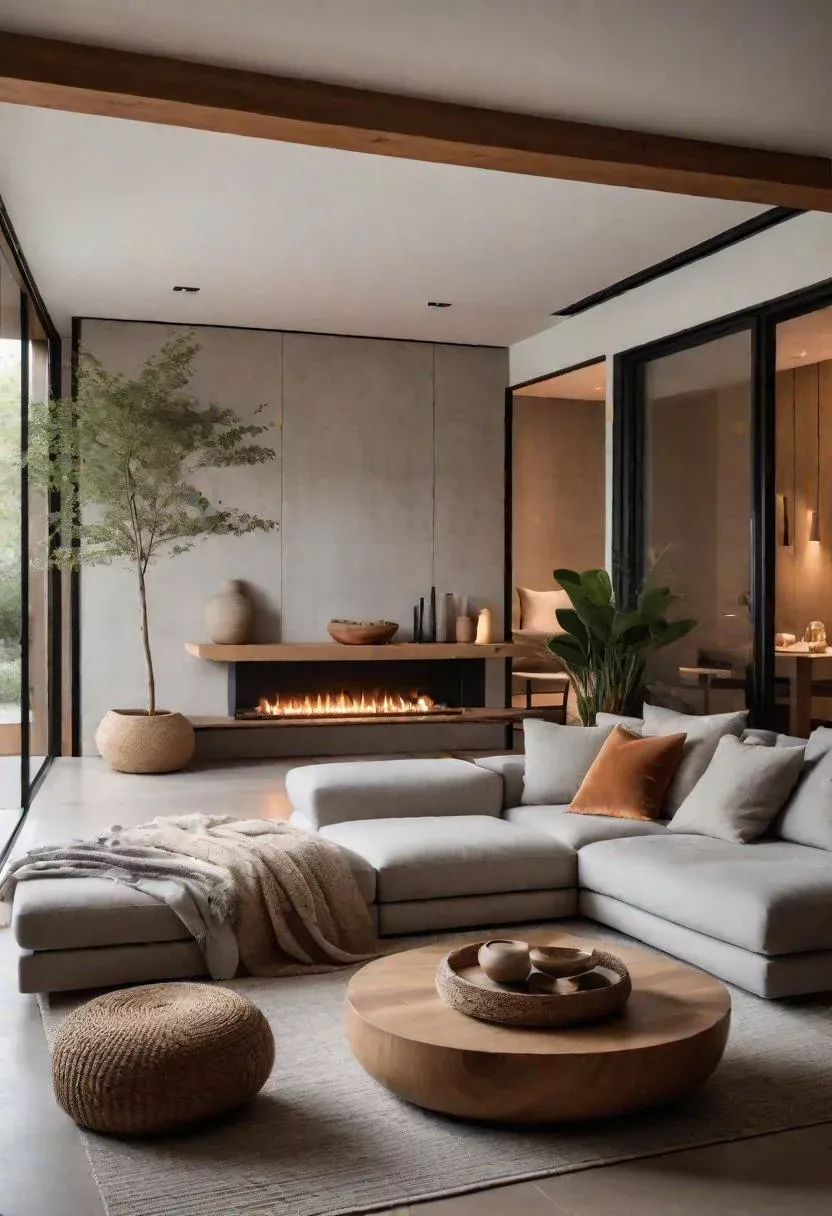
Given their shared commitment to functionality and simplicity, it's not surprising that contemporary and modern design often overlap. Contemporary modern design, as the name suggests, is a blend of both styles. It incorporates the clean lines and functionality of modern design with the eclecticism and personal expression of contemporary design.
In conclusion, while contemporary and modern design share many similarities, they are distinct styles with unique characteristics. Understanding the nuances of each style can help you create spaces that are not only functional but also reflect your personal style and aesthetic. Whether you prefer the clean lines of modern design or the eclectic mix of contemporary design, there's a world of possibilities waiting to be explored.


Related Articles

"Cost-Effective 2-Bed Bungalow Renovation: A Comprehensive Guide"
Understanding the Cost of Renovating a 2-Bedroom Bungalow Embarking on a renovation project for a 2-bedroom bungalow can be an exciting journey, transforming...

Mastering Deck Terminologies: A Comprehensive Guide
Embarking on a deck building or maintenance project? Familiarizing yourself with deck terminologies is crucial to ensure you're speaking the same language as...

"Horizontal Woodland Features: A Comprehensive Guide"
Horizontal Features of a Woodland Woodlands, with their verdant canopies and dappled sunlight, are not just vertical structures of trees reaching for the sky...

Crimson Desert Earring Locations: A Comprehensive Guide
Nestled in the heart of the breathtaking Crimson Desert lies a hidden gem, Earring Locations, a haven for jewelry enthusiasts seeking unique, handcrafted...

"Should You Mulch Around Citrus Trees? A Comprehensive Guide"
Mulching around citrus trees is a common practice among gardeners, but whether or not you should do it depends on several factors. This article will delve into...

"Long-Term Suit Storage: A Comprehensive Guide"
Storing suits long-term requires careful attention to detail to maintain their quality and appearance. With proper care, your suits can last for years, looking...