Kimchi vs Vegan Kimchi: A Spicy Showdown
Kimchi, a traditional Korean dish, has gained global popularity due to its unique flavor and potential health benefits. However, for vegans, the traditional recipe can pose a challenge as it often includes ingredients like fish sauce or shrimp paste. This has led to the creation of vegan kimchi, a plant-based alternative that maintains the essence of the original while catering to dietary preferences and restrictions. Let's delve into the world of kimchi, exploring the traditional recipe, its vegan counterpart, and the key differences between the two.
Understanding Traditional Kimchi
Kimchi is a spicy fermented vegetable dish, typically made with napa cabbage and a mix of spices and seasonings. The most common ingredients include gochugaru (Korean red pepper flakes), garlic, ginger, scallions, daikon radish, and a source of umami flavor, often fish sauce or fermented shrimp. The fermentation process gives kimchi its distinctive tangy taste and enhances its nutritional value.
Vegan Kimchi: A Plant-Based Alternative
Vegan kimchi, as the name suggests, is a plant-based version of the traditional dish. It omits the animal-derived ingredients, replacing them with vegan-friendly alternatives. Common substitutions include soy sauce or tamari for fish sauce, and nutritional yeast for a savory, umami-rich flavor. The base ingredients of napa cabbage, gochugaru, garlic, ginger, and scallions remain the same, ensuring the signature kimchi taste is preserved.


Health Benefits of Kimchi
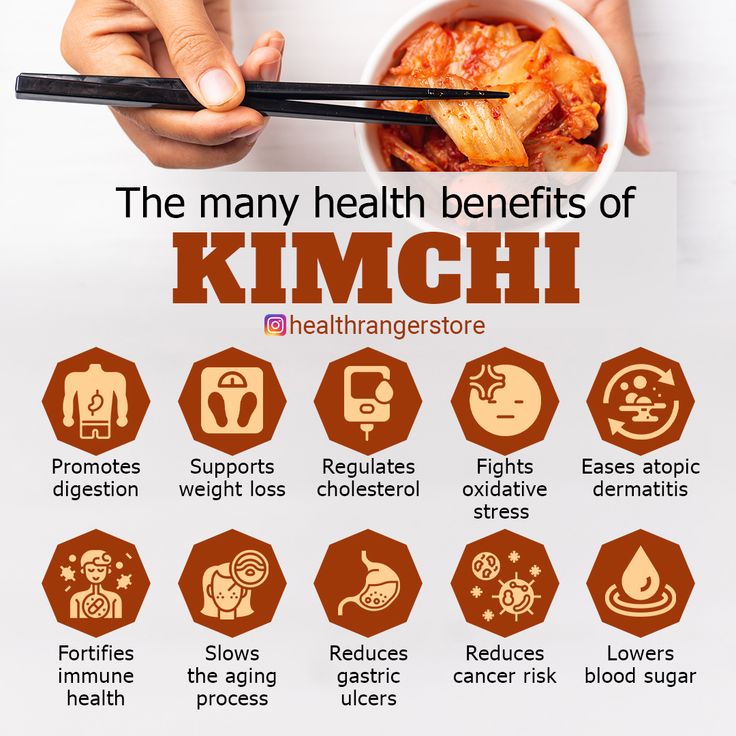
Kimchi is renowned for its health benefits, largely due to the fermentation process. This process increases the bioavailability of nutrients, enhances digestion, and boosts the immune system. It is rich in vitamins A, B, and C, and is a good source of dietary fiber. Additionally, the probiotics formed during fermentation can promote a healthy gut microbiome.
Nutritional Comparison
| Nutrient | Traditional Kimchi (per 100g) | Vegan Kimchi (per 100g) |
|---|---|---|
| Calories | 33 | 30 |
| Protein | 1.5g | 1.2g |
| Fat | 0.3g | 0.2g |
| Carbohydrates | 7.4g | 7.6g |
| Fiber | 2.1g | 2.2g |
As shown in the table, the nutritional content of traditional and vegan kimchi is quite similar, with the main difference being the protein content due to the omission of fish sauce or shrimp paste in the vegan version.


Making the Switch to Vegan Kimchi
For those looking to adopt a more plant-based diet or cater to vegan guests, switching to vegan kimchi is a simple and delicious solution. The process is virtually the same as making traditional kimchi, with the only difference being the ingredients used. Plus, it opens up the world of kimchi to those with dietary restrictions or allergies to seafood.
Vegan Kimchi Recipes to Try
These recipes offer a variety of approaches to vegan kimchi, allowing you to find the one that best suits your taste and dietary needs.
In the ever-evolving landscape of food and diet, it's heartening to see traditional dishes like kimchi adapt to meet modern preferences and restrictions. Vegan kimchi is more than just a plant-based alternative; it's a testament to the versatility and enduring appeal of this Korean staple. So why not give it a try? Your taste buds and your body will thank you!




Related Articles

"Kernel Season's Cheesy Jalapeño: A Spicy Snack Showdown"
Kernel Season's Cheesy Jalapeño Review In the ever-evolving world of snack seasonings, Kernel Season's Cheesy Jalapeño has emerged as a standout favorite...

"Drawer Controller vs DrawerController.io: The Ultimate Showdown"
When it comes to managing and controlling drawers in modern furniture and cabinetry, two popular solutions often come to mind: the standard Drawer Controller...

Easy Vegan Breakfast Sandwich: Quick & Delicious
Start your day on the right foot with a delicious and nutritious easy vegan breakfast sandwich . Whether you're a seasoned vegan or just starting your...

"Vegan Veggie Dip Recipes: 15 Creative Ideas"
Veggie Dip Ideas: Elevate Your Snack Game Are you looking to add some excitement to your veggie platter? Say goodbye to bland dips and hello to a world of...

"Marshmallow Plant vs Marshmallow: The Sweet Showdown"
When you hear the term "marshmallow," two distinct entities might come to mind: the sweet, fluffy confectionary treat, and the Althaea officinalis, commonly...

"White vs Black: The Ultimate Gaming Setup Showdown"
When it comes to gaming setups, the debate between a white or black aesthetic often arises. Both have their unique advantages and can create striking...