Master Budget Format: Cost Accounting's Blueprint
The master budget, a critical component of cost accounting, is a comprehensive financial plan that outlines a company's projected income and expenses over a specific period. It serves as a roadmap for management, guiding decision-making and facilitating performance evaluation. This article delves into the format of a master budget in cost accounting, its components, and the benefits it offers to businesses.
Understanding the Master Budget Format
The master budget format typically consists of several interrelated budgets, each focusing on a different aspect of the business. These budgets are prepared in a specific sequence, starting with the sales budget and culminating in the cash budget. The format ensures that all budgets are consistent and that changes in one budget are reflected in the others.
Key Components of the Master Budget Format
The Sales Budget
The sales budget is the foundation of the master budget, as it estimates the quantity of units to be sold and the associated sales revenue. It is prepared first because it drives the production and cost budgets. The sales budget format includes:


- Units to be sold
- Sales price per unit
- Total sales revenue
The Production Budget
The production budget, based on the sales budget, estimates the number of units that need to be produced to meet sales demand. It also considers units needed for ending inventory. The production budget format includes:
- Units to be produced
- Units available for production (opening inventory + units produced)
- Units to be sold (from the sales budget)
- Units needed for ending inventory
The Direct Materials Budget
The direct materials budget estimates the quantity and cost of raw materials required to produce the units specified in the production budget. The format includes:


- Units to be produced (from the production budget)
- Direct materials required per unit
- Total direct materials required
- Cost of direct materials per unit
- Total cost of direct materials
The Direct Labor Budget
The direct labor budget estimates the direct labor hours required and the labor cost for producing the units specified in the production budget. The format includes:
- Units to be produced (from the production budget)
- Direct labor hours required per unit
- Total direct labor hours required
- Labor cost per hour
- Total direct labor cost
The Manufacturing Overhead Budget
The manufacturing overhead budget estimates the overhead costs associated with production, such as depreciation, insurance, and utilities. The format includes:
- Units to be produced (from the production budget)
- Manufacturing overhead cost per unit
- Total manufacturing overhead cost
The Cash Budget
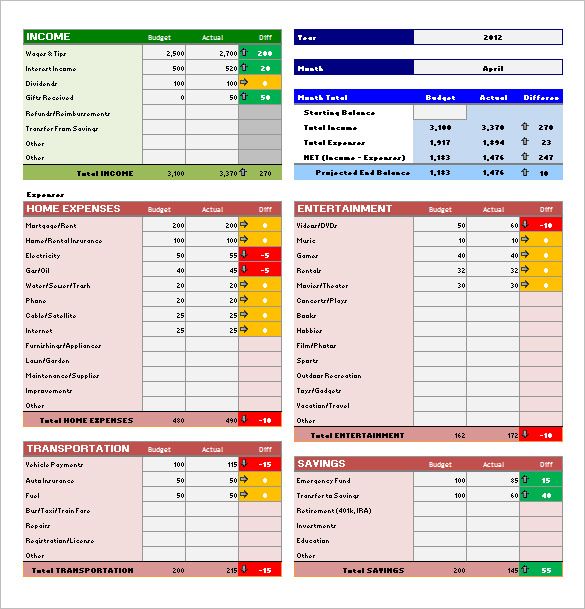
The cash budget, the final component of the master budget, estimates the cash inflows and outflows, allowing management to plan for cash needs and ensure liquidity. The cash budget format includes:




| Cash Inflows | Cash Outflows |
|---|---|
| Cash received from sales | Cash paid for direct materials |
| Cash received from accounts receivable | Cash paid for direct labor |
| Cash received from other sources | Cash paid for manufacturing overhead |
| Beginning cash balance | Cash paid for other operating expenses |
| Ending cash balance | Cash paid for capital expenditures |
Benefits of the Master Budget Format in Cost Accounting
The master budget format offers numerous benefits to businesses, including:
- Enables management to plan and coordinate activities
- Facilitates decision-making by providing relevant, timely information
- Helps in controlling and monitoring operations
- Assists in performance evaluation and goal setting
- Enables the preparation of financial statements
In conclusion, the master budget format in cost accounting is a powerful tool that enables businesses to plan, coordinate, and control their activities effectively. By understanding and implementing the master budget format, businesses can enhance their decision-making, improve performance, and achieve their strategic objectives.


Related Articles

Flexible Budget Formats: Cost Accounting's Secret Weapon
In the dynamic world of business, a rigid budget format can often hinder the agility and adaptability required for success. This is where the concept of a...

"Cash Budget Format in Cost Accounting: A Comprehensive Guide"
In the dynamic world of business, cash budgeting is a critical aspect of cost accounting that ensures an organization's liquidity and solvency. It's a...

"Sales Budget Format in Cost Accounting: A Comprehensive Guide"
In the dynamic world of business, sales budgeting is a critical process that helps businesses plan, allocate resources, and measure performance. Cost...
"Cost-Effective Budget Templates: Save Time & Money"
Budgeting is a critical aspect of managing any project or business, and a well-structured cost budget format is essential for ensuring financial control and...

"Production Cost Budget Template: Free Download & Guide"
In the dynamic world of production, understanding and managing costs is not just crucial, it's the lifeblood of any business. A well-structured production cost...

"Cost of Goods Sold Budget Template: Free Download & Guide"
Managing your business's finances effectively is crucial for its growth and success. One key aspect of this is understanding and budgeting for the cost of...