"Meeting Minutes Template: Format & Examples for Effective Record-Keeping"
Meeting minutes are a crucial record of the discussions, decisions, and action items that take place during a meeting. They serve as a reference point for attendees, help new team members get up to speed, and ensure accountability for tasks assigned. However, not all meeting minutes are created equal. The format you choose can significantly impact their effectiveness. Let's explore the best meeting minutes format to ensure you're capturing all the necessary information in a clear and concise manner.
Understanding the Basic Structure
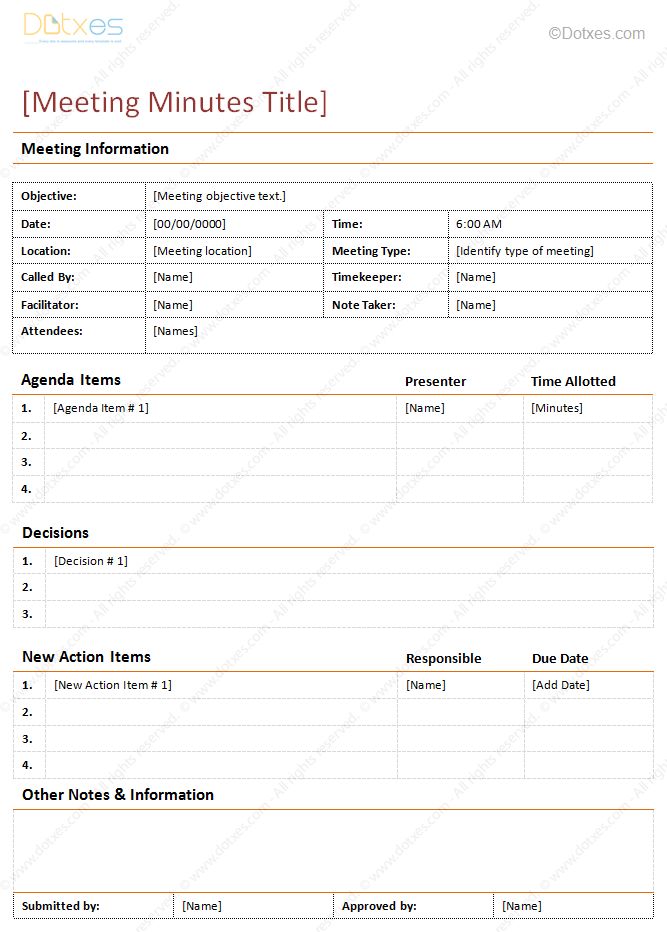
The most common meeting minutes format follows a basic structure that includes the following elements:
- Header: Date, time, location (or platform if it's a virtual meeting), and attendees.
- Introduction: A brief summary of the meeting's purpose and the topics discussed.
- Body: Detailed notes on each topic, including key points, decisions made, and action items assigned.
- Adjournment: The time the meeting ended and a summary of the next steps or follow-ups.
Formatting for Clarity and Readability
Formatting your meeting minutes well can make them much easier to read and navigate. Here are some tips:


- Use clear, concise language. Avoid jargon and unnecessary details.
- Use bullet points or numbered lists to break up text and make key points stand out.
- Use bold, italic, or underlined text to highlight important information, such as action items or deadlines.
- Consider using tables to organize complex information, like a list of action items with assignees, deadlines, and progress status.
Example of Using a Table for Action Items
| Action Item | Assigned To | Deadline | Status |
|---|---|---|---|
| Prepare project timeline | Jane D. | 01/15/2023 | In Progress |
| Order catering for event | John L. | 01/20/2023 | Not Started |
Tailoring the Format to Your Needs
While the basic structure and formatting tips above apply to most meetings, you may need to adjust the format depending on the type of meeting or the industry you're in. For example, a project status meeting might require more detailed notes on progress and challenges, while a board meeting might need to include more formal language and a record of votes.
You might also consider using a template to streamline the process of creating meeting minutes. Many project management tools and collaboration platforms offer customizable templates that you can use to ensure consistency and save time.


Best Practices for Taking and Distributing Meeting Minutes
Once you've decided on the best meeting minutes format for your needs, here are some best practices to ensure you're getting the most out of them:
- Assign a dedicated note-taker for each meeting, or rotate the role among attendees.
- Review and proofread the minutes as soon as possible after the meeting to ensure accuracy.
- Distribute the minutes promptly to all attendees and any relevant stakeholders.
- Encourage attendees to review the minutes and provide feedback or corrections.
- Store meeting minutes securely and make them easily accessible for future reference.
By following these best practices and using a well-structured, clearly formatted meeting minutes format, you can ensure that your meeting minutes are a valuable resource that helps your team stay on track and achieve its goals.




Related Articles

"Neutral Solution Examples: Balanced & Effective Solutions"
In the realm of chemistry and problem-solving, neutral solutions often play a crucial role. These are solutions where the number of hydrogen ions (H+) equals...

"Meeting Minutes App: Streamline Your Meetings Today!"
In today's fast-paced business environment, keeping track of meetings can be a challenging task. This is where a meeting minutes app comes into play...

"Budget Format Examples: Templates & Tips for Your Finances
Budgeting is a crucial aspect of personal finance and business management, enabling you to plan for future expenses, save for emergencies, and make informed...

"Small Talk Dialogue Examples: Master Conversations in 5 Minutes"
Small talk, often dismissed as trivial, is a powerful tool that oils the wheels of social interaction. It's the lubricant that makes conversations flow...

"Jeopardy Game Examples: Master the Classic Trivia Format"
Jeopardy!, the classic American game show, has been a staple of television for over six decades. It's known for its unique reverse question-answer format...

"Production Cost Budget Template: Free Download & Guide"
In the dynamic world of production, understanding and managing costs is not just crucial, it's the lifeblood of any business. A well-structured production cost...