"Meeting Minutes: Streamline Your Business Communication"
Meeting minutes are a crucial record of the discussions, decisions, and action items that take place during meetings. They serve as a vital reference point for attendees, providing a summary of the meeting's key points and ensuring that everyone is on the same page. In this article, we'll delve into the importance of meeting minutes, their key components, best practices for taking and distributing them, and how technology can streamline this process.
Why Are Meeting Minutes Important?
Meeting minutes play a pivotal role in ensuring the efficiency and productivity of meetings. Here are some reasons why they are indispensable:
- Accountability: They help track who is responsible for what tasks and by when, ensuring accountability.
- Transparency: They promote transparency by providing a clear record of what was discussed and decided.
- Decision Making: They aid in decision-making processes by providing a historical record of past discussions and decisions.
- Training and Onboarding: They are valuable resources for new team members, providing insights into past discussions and decisions.
What Should Be Included in Meeting Minutes?
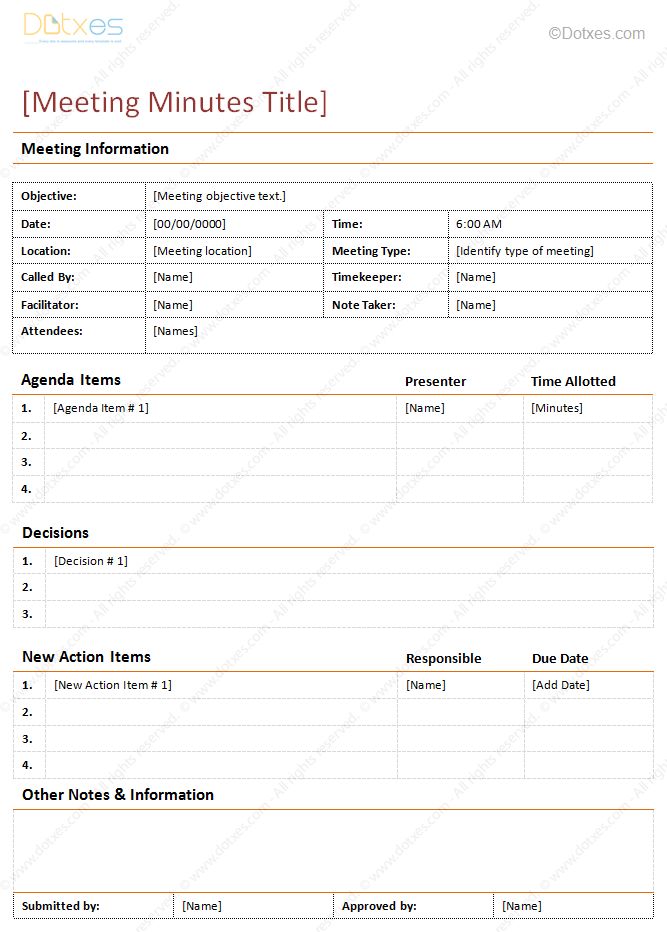
While the format of meeting minutes can vary, there are certain key components that should always be included:


| Meeting Details | Discussion Points | Decisions Made | Action Items |
|---|---|---|---|
| Date, time, location, and attendees | Summary of topics discussed, including any relevant context or background information | Brief description of the decisions made, including who made them and any rationale | List of tasks to be completed, including who is responsible and by when |
Best Practices for Taking and Distributing Meeting Minutes
Here are some best practices to ensure that your meeting minutes are accurate, useful, and well-received:
- Assign a Dedicated Note-Taker: Having a dedicated note-taker ensures that the minutes are comprehensive and unbiased.
- Use a Standard Format: Using a standard format for your minutes ensures consistency and makes them easier to read and understand.
- Distribute Promptly: Distribute the minutes as soon as possible after the meeting to ensure that action items are not overlooked.
- Request Feedback: Ask attendees to review the minutes and provide feedback to ensure their accuracy.
How Technology Can Streamline the Meeting Minutes Process
Technology can significantly streamline the meeting minutes process. Here are a few ways:


- Meeting Software: Many meeting software platforms include features for taking and distributing minutes, such as real-time note-taking and automatic distribution.
- AI and Automation: AI and automation can help draft meeting minutes, reducing the workload on human note-takers and ensuring consistency.
- Cloud Storage: Storing meeting minutes in the cloud ensures that they are accessible to all attendees, even if they were not present at the meeting.
In conclusion, meeting minutes are a vital tool for ensuring the productivity and efficiency of meetings. By understanding their importance, including the right components, following best practices, and leveraging technology, you can ensure that your meeting minutes are accurate, useful, and well-received.




Related Articles

"Meeting Minutes App: Streamline Your Meetings Today!"
In today's fast-paced business environment, keeping track of meetings can be a challenging task. This is where a meeting minutes app comes into play...

"Multiple Mailboxes for Apartments: Streamline Your Resident Communication"
In the digital age, efficient communication is key, especially for property managers and residents of apartment complexes. Multiple mailboxes for apartments...

"Shared Mailbox Examples: Streamline Your Team's Communication"
Shared mailboxes have become an integral part of modern communication, enabling teams and organizations to collaborate more effectively. They allow multiple...

"Business Meeting Catering Ideas: Elevate Your Gatherings"
When planning a business meeting, catering can play a significant role in keeping attendees energized, focused, and satisfied. The right business meeting...

"Best Breakfast for Business Meetings: Power Up Your Day"
Best Breakfast for Business Meetings Starting your day with the right breakfast can set the tone for a productive and successful business meeting. A balanced...

"Bicycle Shop Organization: Streamline Your Cycling Business"
Mastering Bicycle Shop Organization: A Comprehensive Guide Running a successful bicycle shop involves more than just stocking the latest models and hiring...