"Narrow Hallway Color Ideas: Maximize Space & Style"
Narrow hallways can often feel cramped and uninviting, but with the right color choices, you can transform them into welcoming and visually appealing spaces. In this guide, we'll explore a range of narrow hallway color ideas that can help you maximize the potential of your hallway, making it a warm and inviting part of your home.
Understanding Color Psychology
Before delving into specific color ideas, it's essential to understand how colors can affect our perception of space. According to color psychology, certain colors can make a room feel larger or smaller, warmer or cooler. By harnessing this knowledge, you can create the illusion of a more spacious hallway or a cozier, more intimate one.
Light and Bright: Maximizing Space
If your hallway feels too narrow and you want to create the illusion of more space, opt for light and bright colors. These shades reflect light, making the hallway feel more spacious and airy. Here are some light and bright color ideas:


- White: A classic choice that reflects light and creates a sense of openness. To prevent it from feeling too sterile, consider using different shades of white or pairing it with warm accents.
- Light Gray: A versatile option that can create a modern, sleek look. It's also a great neutral base for adding pops of color through accessories.
- Pastel Shades: Soft colors like baby blue, mint green, or lavender can add a touch of playfulness and femininity to your hallway while still keeping it light and bright.
Dark and Moody: Creating Intimacy
On the other hand, if your hallway is particularly wide and you want to create a cozier, more intimate atmosphere, consider using dark and moody colors. These shades absorb light, creating a sense of warmth and enclosure. Here are some dark and moody color ideas:
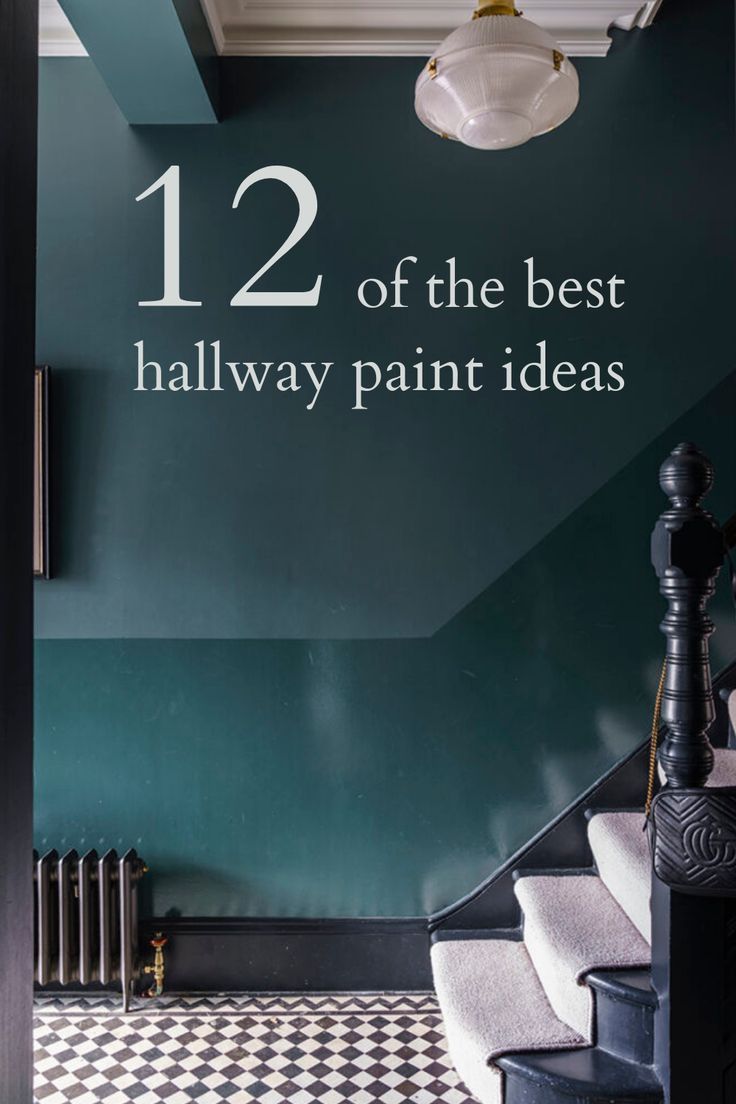
- Deep Blue: A rich, sophisticated choice that can create a sense of depth and drama. It's also a calming color that can help promote relaxation.
- Forest Green: A bold, earthy shade that can add a touch of nature to your hallway. It pairs well with warm woods and metallic accents.
- Charcoal Gray: A versatile, modern choice that can create a sense of luxury and sophistication. It's also a great neutral base for adding pops of color.
Using Color to Define Spaces
In long, narrow hallways, you can use color to define different spaces and create a sense of flow. For example, you might paint the first half of the hallway a light, bright color to create a sense of openness, and then switch to a darker, moodier shade for the second half to create a cozier, more intimate atmosphere. You could also use color to highlight architectural features or create a focal point.


Color Combinations and Accents
When choosing colors for your hallway, don't forget to consider how they'll work together. Complementary colors (colors opposite each other on the color wheel) can create a striking, high-contrast look, while analogous colors (colors side by side on the color wheel) can create a more harmonious, soothing effect. You can also use accents of color through accessories, artwork, and furniture to add interest and depth to your hallway.
Considering Lighting
Lighting plays a crucial role in how colors appear in your hallway. Natural light can enhance the brightness of light colors and the depth of dark colors, while artificial lighting can create a warm, inviting atmosphere. Consider using a combination of overhead lighting, wall sconces, and table lamps to create a well-lit, welcoming space.
In conclusion, the right color choices can transform your narrow hallway into a welcoming, visually appealing space. By understanding color psychology and considering your hallway's unique features, you can create a hallway that's not just functional, but also a beautiful and inviting part of your home.




Related Articles

"Narrow Hallway Cabinet Ideas: Maximize Space & Style"
Narrow Hallway Cabinet Ideas: Maximize Space & Style Transforming a narrow hallway into a functional and inviting space can be a challenge, but with the right...
"Narrow Hallway Foyer Ideas: Maximize Space & Style"
In the realm of interior design, a narrow hallway foyer presents a unique challenge and opportunity. While space may be limited, it's the first impression...
"Maximize Your Space: Creative Ideas for Narrow Hallways"
Narrow hallways can often feel cramped and uninviting, but with the right strategies, you can transform this space into a functional and welcoming area. In...

"Accent Wall Color Ideas for Small Bedrooms: Maximize Space & Style"
Transform Your Small Bedroom with These Accent Wall Color Ideas Are you looking to add a touch of personality and style to your small bedroom? An accent wall...

"Small Hallway Console Table Ideas: Maximize Space & Style"
Transforming a narrow hallway into a functional and stylish space can be a challenge, but with the right small hallway console table ideas, you can create a...
"Decorating Narrow Hallway Entrances: Maximize Space & Style"
Transforming a narrow hallway entrance into a welcoming and functional space can be a challenge, but with the right strategies, you can create an inviting...