"Outdoor Forest Fun: Preschool Activities"
Embarking on outdoor forest activities with preschoolers can be a rewarding and enriching experience. These activities not only provide an opportunity for children to explore and learn about nature but also promote physical development, creativity, and social skills. Here, we've compiled a list of engaging and age-appropriate forest activities that both you and your little ones will enjoy.
Why Forest Activities for Preschoolers?
Forest activities offer a unique learning environment that supports a child's holistic development. Here are some benefits:
- Encourages curiosity and exploration
- Promotes physical activity and coordination
- Stimulates imagination and creativity
- Teaches about nature and the environment
- Fosters social skills and teamwork
Preparing for Your Forest Adventure
Before heading out, ensure you have the necessary supplies to make your forest experience safe and enjoyable:


- Comfortable walking shoes
- Appropriate clothing for the weather
- Snacks and water
- First aid kit
- Insect repellent and sunscreen
- Whistle for emergencies
Engaging Forest Activities for Preschoolers
Nature Scavenger Hunt
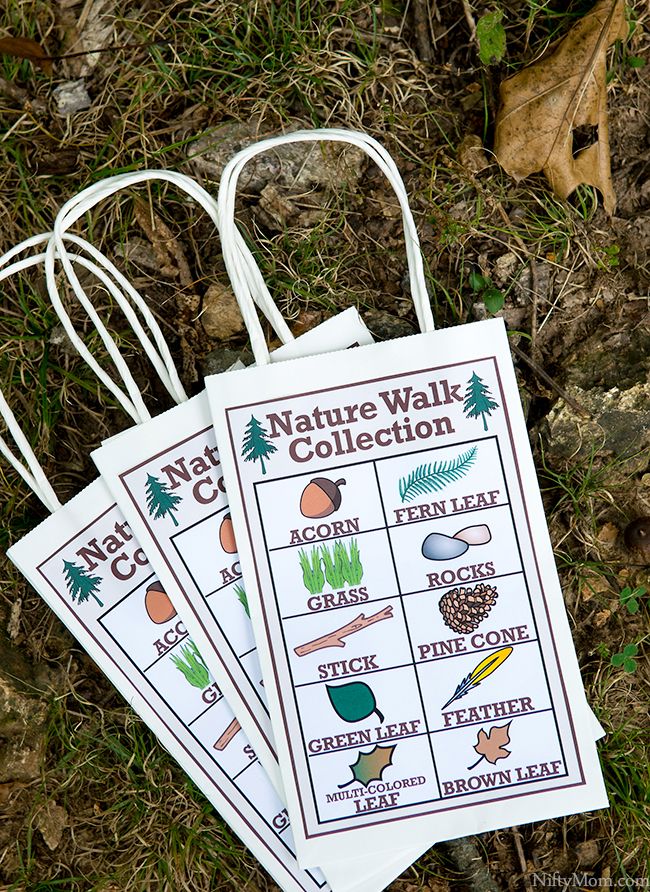
A nature scavenger hunt is an exciting way to introduce preschoolers to the wonders of the forest. Create a simple list of items for them to find, such as leaves, pinecones, or interesting rocks. This activity encourages observation skills and helps children learn about different aspects of nature.
Storytelling and Imaginative Play
Storytelling in the forest brings stories to life and sparks children's imagination. Choose a story with a forest setting, or create your own. Encourage preschoolers to act out the story, using the forest environment as a backdrop. This activity promotes language development, creativity, and critical thinking.


Forest Crafts
Forest crafts allow children to create something unique using natural materials. Here are a few ideas:
- Leaf crowns: Collect leaves and attach them to a headband to create a magical forest crown.
- Pinecone bird feeders: Spread peanut butter on a pinecone, roll it in birdseed, and hang it from a tree.
- Stick sculptures: Use sticks and other natural materials to create sculptures or structures.
Forest Sensory Walk
A forest sensory walk helps preschoolers engage with their senses and appreciate the beauty of nature. Before your walk, discuss the five senses and how they can be experienced in the forest. As you walk, encourage children to touch, smell, hear, see, and even taste (safely) the forest around them.
Animal Tracking
Animal tracking introduces preschoolers to the concept of wildlife and their habitats. Look for signs of animal activity, such as footprints, droppings, or homes. You can also create simple animal track molds using playdough or clay to help children identify different animal prints.


Safety Tips for Forest Activities
While exploring the forest, it's essential to prioritize safety. Here are some tips to keep in mind:
- Stay on marked trails to avoid getting lost.
- Teach children about poisonous plants and dangerous wildlife.
- Be aware of your surroundings and potential hazards, such as steep drop-offs or unstable trees.
- Never leave children unattended, and always have a first aid kit on hand.
By incorporating these engaging and educational forest activities into your preschooler's routine, you'll create lasting memories and foster a love for nature. So, grab your hiking boots and embark on an adventure filled with discovery and fun!



Related Articles

"Forest Fun: Engaging Preschool Activities for Forest School"
Immersing preschoolers in nature through forest school activities offers a wealth of benefits, from fostering creativity and curiosity to boosting physical...

"Outdoor Animal Fun: Preschool Activities"
Engaging preschoolers in outdoor activities is not only fun but also crucial for their physical, cognitive, and emotional development. The great outdoors...
"Forest Fun: Preschool Art Activities Inspired by Nature"
Immerse your little ones in the enchanting world of nature with forest art activities designed specifically for preschoolers. These activities not only foster...
"Nature's Playground: Fun Preschool Activities in the Great Outdoors"
Immersing preschoolers in nature is not only fun but also crucial for their physical, cognitive, and emotional development. Outdoor activities stimulate their...

"Preschoolers: Fun Outdoor Activities"
Preschoolers Outdoor Activities: Fun and Learning Outdoor play is an essential part of a preschooler's development, offering a wealth of learning opportunities...

"Reindeer Food Recipes for Preschoolers: Fun & Educational Activities"
Welcome to Reindeer Food Preschool, where we believe in nurturing young minds through play, creativity, and a deep connection with nature. Our unique...