"Painting a Room Dark Grey: Expert Tips & Tricks"
Transforming a room with a dark grey paint job can create a sophisticated, moody, and dramatic atmosphere. This color, often associated with elegance and luxury, can make a bold statement in your interior design. In this guide, we'll walk you through the process of painting a room dark grey, from preparation to the final touch-ups.
Choosing the Right Shade of Dark Grey
Before you start, it's crucial to select the perfect shade of dark grey for your room. Dark greys can vary greatly, ranging from almost black to cool, slate-like hues. Consider the lighting in your room and the overall aesthetic you're aiming for. For a warmer, cozier feel, opt for greys with brown undertones. If you prefer a cooler, more modern look, choose greys with blue undertones.
Here are a few popular dark grey paint shades to consider:


- Benjamin Moore's Wrought Iron (HC-166)
- Sherwin-Williams' Iron Ore (SW 7069)
- Behr's Graphic Charcoal (140)
- Farrow & Ball's Down Pipe (No. 26)
Preparing Your Room for Painting
Preparation is key to a successful paint job. Start by removing all furniture from the room, or at least moving it to the center. Cover the floor with a drop cloth to protect it from paint spills. Next, clean the walls to ensure good paint adhesion. Use a mild detergent and water to remove any dirt, grease, or grime.
Once the walls are clean and dry, use painter's tape to mask off any areas you don't want to paint, such as baseboards, trim, and light switches. Finally, apply a primer to the walls. Priming helps paint adhere better and can also help prevent dark colors from appearing patchy.


Painting Techniques for Dark Grey
Painting with dark colors requires a slightly different technique than lighter shades. Here are some tips to help you achieve a smooth, even finish:
- Use a high-quality paint brush: A good quality brush will help you achieve a smooth finish and make the painting process easier.
- Load your brush properly: Dip your brush about 1-1.5 inches into the paint, then tap it against the side of the can to remove excess paint. This will help you avoid drips and ensure even coverage.
- Paint in thin layers: Dark colors can be unforgiving, so it's important to paint in thin layers, allowing each layer to dry completely before applying the next. This will help you avoid drips and ensure even coverage.
- Use a paint roller for large areas: A roller can help you achieve a smooth, even finish on large areas of the wall. Use a roller with a short nap for smooth walls and a longer nap for textured walls.
Applying the Paint
Start by painting the edges of the room using your paintbrush. This technique, called cutting-in, helps you create clean, crisp lines and ensures that the paint covers the entire wall. Once you've cut-in, you can start painting the larger areas of the wall using your paint roller.
Work in small sections, painting from the top of the wall down to the bottom. This will help you avoid drips and ensure even coverage. Remember to maintain a "wet edge" by painting from a wet section to a dry section, rather than painting over a section that has already dried.


Touch-Ups and Final Details
After you've painted the entire room, allow the paint to dry completely. This can take anywhere from several hours to a full day, depending on the humidity and temperature in your room. Once the paint is dry, you can start touching up any areas that need it.
Use a small paintbrush to touch up any missed spots or areas where the paint may have dripped. Once you've finished touching up, remove the painter's tape and replace any furniture you moved. Step back and admire your newly painted dark grey room!
Caring for Your Dark Grey Walls
Dark grey walls can be prone to showing scuffs and marks, so it's important to take care of them. Dust your walls regularly with a soft, dry cloth to remove any dirt or debris. If you notice any scuffs or marks, you can touch them up with a small amount of paint and a paintbrush.


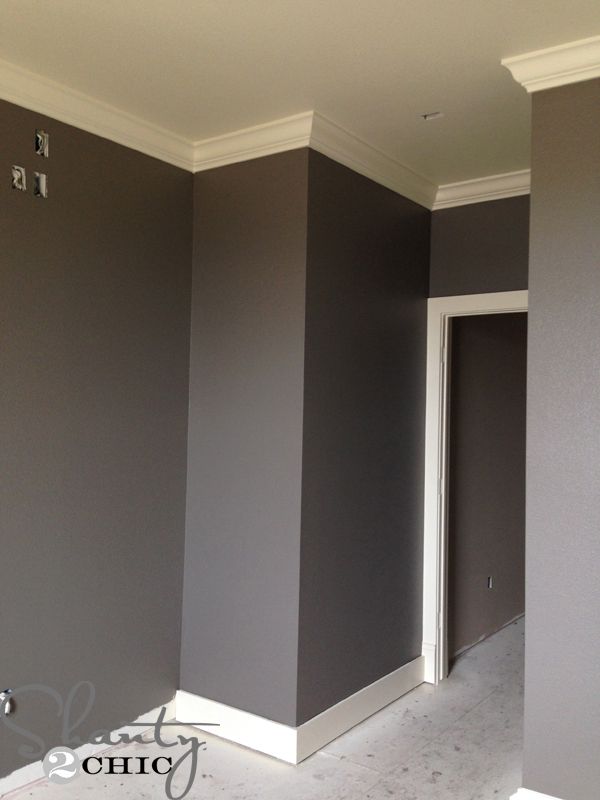
To keep your dark grey walls looking their best, consider using a paint with built-in stain resistance or applying a clear sealant after painting. This can help protect your walls from stains and make them easier to clean.
In conclusion, painting a room dark grey can be a rewarding way to add drama and sophistication to your space. With the right preparation, technique, and care, you can achieve a beautiful, long-lasting result. So go ahead, grab your paintbrush, and let your dark grey dreams take flight!
Related Articles

"Best Curtain Colors for Dark Green Rooms: Expert Tips"
When decorating a room with dark green walls, selecting the right color curtains can significantly enhance the space's overall aesthetic and ambiance. Dark...

"Can You Paint Over Grey Walls? Expert Tips & Tricks
Are you tired of your grey walls and considering a fresh coat of paint? You're not alone. Many homeowners wonder, "Can you paint over grey walls?" The short...

"Best Paint Colors for Dark Grey Tiles: Expert Tips"
What Paint Goes with Dark Grey Tiles? Dark grey tiles can create a sleek, modern, and sophisticated atmosphere in your home. However, choosing the right paint...

"Decorating Grey Spaces: Expert Tips to Transform Your Room"
Transforming a grey room into a warm and inviting space might seem challenging, but with the right approach, you can create a stylish and comfortable...

"Where to Place Your Desk in Your Room: Expert Tips"
When it comes to setting up your home office, one of the most important decisions you'll make is where to place your desk. The location of your desk can...

"Preserve Pumpkin Longer: Expert Tips & Tricks"
Preserving pumpkins for longer periods allows you to enjoy their nutritional benefits and versatility in cooking throughout the year. Here are some effective...