Spring Season FAQ: Your Questions Answered
The arrival of spring brings with it a sense of renewal and excitement, as the cold, dreary days of winter give way to warmer temperatures, blooming flowers, and longer days. As we embrace this vibrant season, it's natural to have questions about its unique characteristics, weather patterns, and traditions. Let's delve into some of the most common questions about spring, providing you with insightful and engaging answers.
What are the official dates of spring?
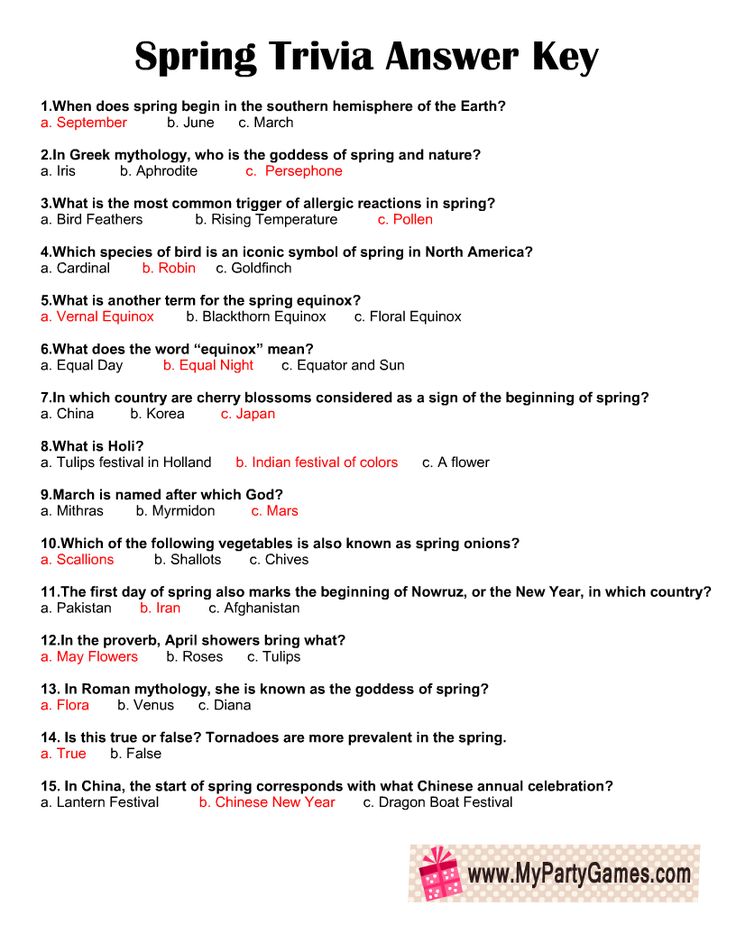
Spring is one of the four temperate seasons, and its official dates vary depending on the calendar you're using. According to the meteorological calendar, spring begins on March 1 and ends on May 31. However, the astronomical calendar, which is based on the Earth's position relative to the sun, considers the spring equinox as the start of the season. In 2023, the spring equinox occurred on March 20 at 11:24 PM UTC.
Why does spring bring warmer temperatures?
Spring's warmer temperatures are primarily due to the Earth's axial tilt and its orbit around the sun. As the Earth rotates on its axis, it also orbits the sun in an elliptical path. During spring, the Northern Hemisphere tilts more towards the sun, allowing for more direct sunlight and warmth. This increased sunlight causes the Earth's surface to absorb more heat, leading to warmer temperatures and the melting of snow and ice from winter.


What are some common spring weather patterns?
Spring weather can be quite unpredictable, with a mix of sunny, rainy, and sometimes even snowy days. Here are some common weather patterns you can expect during spring:
- Rainy periods: Spring is often associated with increased rainfall, as the melting snow and ice, along with the warmer temperatures, contribute to more precipitation. This rain helps nourish the growing plants and flowers.
- Thunderstorms: As the weather warms up, there's an increased likelihood of thunderstorms, especially in regions prone to severe weather. These storms can bring much-needed rain, but also pose risks like flooding and lightning strikes.
- Spring snowstorms: In some regions, spring can still bring snowstorms, especially in higher elevations or areas with a continental climate. These late-season snowstorms can be quite intense and may cause disruptions to daily life.
What are some popular spring traditions around the world?
Spring is a time of celebration and renewal in many cultures, with various traditions and festivals marking the arrival of the season. Some popular spring traditions include:


| Festival/Tradition | Location | Description |
|---|---|---|
| Nowruz | Central Asia, Middle East, and the Balkans | A Persian New Year celebration that marks the arrival of spring, featuring feasts, gift-giving, and the creation of Haft-Sin, a table setting with seven symbolic items. |
| Día de los Muertos (Day of the Dead) | Mexico and other Latin American countries | A vibrant, colorful celebration honoring deceased loved ones, featuring altars, marigold flowers, and traditional foods like pan de muerto. |
| Hanami | Japan | A centuries-old tradition of appreciating the beauty of blooming cherry blossom trees, often involving picnics and gatherings under the blossoms. |
What are some common spring allergens?
Spring is a challenging time for people with allergies, as the season brings an increase in pollen and other allergens. Some common spring allergens include:
- Tree pollen: Trees like oak, birch, and pine release pollen in early spring, causing symptoms like sneezing, itchy eyes, and runny nose.
- Grass pollen: Grass pollen is a significant allergen in late spring and summer, affecting many people with hay fever.
- Ragweed pollen: Although ragweed pollen is more prevalent in late summer and fall, it can start to appear in late spring, contributing to allergy symptoms.
How can I enjoy spring while minimizing allergy symptoms?
If you're one of the many people affected by spring allergies, there are several strategies you can employ to minimize your symptoms and still enjoy the season:
- Monitor pollen counts: Keep track of daily pollen counts in your area, and try to limit your outdoor activities on high-pollen days.
- Wear a pollen mask: When doing outdoor chores or gardening, wear a pollen mask to help filter out allergens.
- Shower after outdoor activities: Pollen can accumulate on your skin and hair, so it's essential to shower and change clothes after spending time outdoors.
- Use air purifiers: Indoor air purifiers can help remove allergens from the air in your home, providing relief from symptoms.
- Consider allergy medication: Over-the-counter or prescription allergy medications can help alleviate symptoms, allowing you to enjoy spring more comfortably.
Spring is a captivating season filled with beauty, renewal, and unique challenges. By understanding its weather patterns, traditions, and allergens, you can better appreciate and navigate this vibrant time of year. Embrace the warmer temperatures, blooming flowers, and longer days, and make the most of all that spring has to offer.


Related Articles

"Spring Season: Your Ultimate Guide to Captivating Writing"
Spring, a season that breathes life back into the world after the long winter slumber, is a captivating subject for any writer. With its vibrant colors...

Spring's Sweet FAQ: Your Questions Answered
Spring, the season of renewal and growth, brings with it a sense of freshness and curiosity. As the weather warms up and nature comes back to life, it's...

"Spring in a Nutshell: A Brief Seasonal Overview"
Spring, a season that breathes new life into the world, is a time of renewal and growth. It's a transition from the cold, dormant winter to the warm, vibrant...

Spring's Charm: A Simple Seasonal Tale for 4th Graders
The season of spring is a time of renewal and growth, and it's a wonderful topic for fourth graders to explore. Let's dive into the fascinating world of...

Easter Spring Mantel Ideas: Brighten Your Home This Season
As the winter chill begins to lift and the first signs of spring emerge, it's the perfect time to freshen up your home decor with Easter and spring-inspired...

"Easter Traditions: Your Questions Answered"
Easter, a significant holiday celebrated worldwide, is a time of joy, renewal, and tradition. It's a perfect opportunity to connect with loved ones, indulge in...