"Repurpose Art: Unleash Creativity, Reduce Waste"
In the dynamic world of art, the concept of repurposing has emerged as a compelling trend, pushing the boundaries of creativity and sustainability. Artists worldwide are embracing the idea of giving new life to discarded materials, transforming waste into captivating pieces that tell a story of resourcefulness and environmental consciousness. This article delves into the fascinating realm of repurposed art, exploring its origins, techniques, and impact on both the art world and society at large.
Origins and Evolution of Repurposed Art
Repurposed art, also known as upcycled or found object art, traces its roots back to the Dada and Surrealist movements of the early 20th century. Artists like Marcel Duchamp and Pablo Picasso began incorporating everyday objects into their art, challenging traditional notions of what constitutes a work of art. However, it was the rise of the environmental movement in the 1960s and 1970s that truly popularized the idea of repurposing materials, with artists like Joseph Beuys and Robert Rauschenberg leading the way.
Today, repurposed art has evolved into a global phenomenon, with artists using a vast array of materials to create everything from sculptures and paintings to installations and performances. From discarded electronics and old furniture to abandoned buildings and even food waste, no material is off-limits in the pursuit of artistic expression.

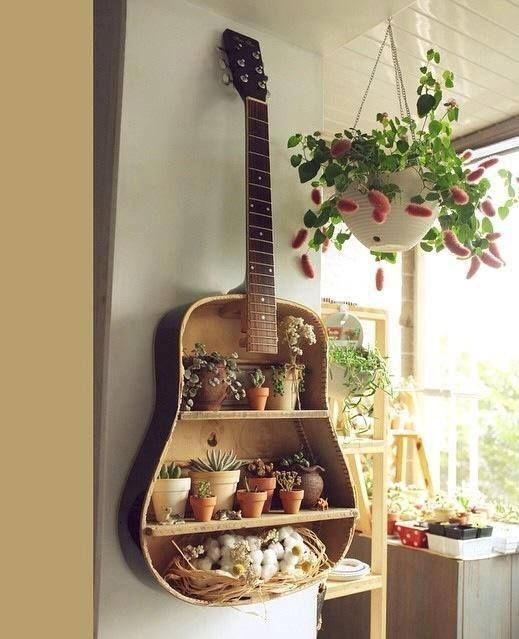

Techniques and Materials in Repurposed Art
One of the most appealing aspects of repurposed art is its sheer diversity, both in terms of the materials used and the techniques employed. Here are some of the most common techniques and materials in repurposed art:
- Assemblage: This technique involves arranging found objects in a specific way to create a new, cohesive artwork. Examples include Robert Rauschenberg's "Combines" and Romaine Brooks' sculptures.
- Collage and Mixed Media: Artists use a variety of materials, such as paper, fabric, and found objects, to create layered, textured artworks. Examples include Pablo Picasso's collages and Hannah Höch's photomontages.
- Sculpture: Artists transform everyday objects into three-dimensional artworks, often using techniques like welding, carving, or assemblage. Examples include Arman's "Accumulations" and Tony Cragg's sculptures.
- Installation Art: Artists create immersive environments using a wide range of materials, often incorporating light, sound, and interactive elements. Examples include Christo and Jeanne-Claude's large-scale installations and Michael Landy's "Break Down."
Materials used in repurposed art are as varied as the techniques employed. Some common materials include:


- Metal (e.g., aluminum, steel, copper)
- Wood
- Glass
- Plastic and rubber
- Textiles and fabric
- Paper and cardboard
- Electronics and mechanical parts
- Food waste and organic materials
Sustainability and Social Impact
One of the most significant aspects of repurposed art is its potential to promote sustainability and raise awareness about environmental issues. By giving new life to discarded materials, artists reduce waste and minimize the environmental impact of their work. Moreover, repurposed art often serves as a powerful vehicle for social commentary, addressing issues such as consumerism, waste management, and the circular economy.
Many repurposed art projects also engage communities in the creative process, fostering a sense of ownership and pride in the final artwork. For example, the "Trash Mountain Project" in Kenya involves local communities in creating art from waste materials, promoting environmental awareness and empowering marginalized communities.
Notable Repurposed Art Projects
Throughout history, numerous artists have created iconic repurposed artworks that have left a lasting impact on the art world. Here are a few notable examples:


| Artist | Artwork | Materials |
|---|---|---|
| Marcel Duchamp | Fountain (1917) | Porcelain urinal |
| Pablo Picasso | Glass of Absinthe (1913) | Glass, oil paint, and collage |
| Robert Rauschenberg | Bed (1955) | Paint, fabric, pillow, quilt, and sheet |
| Christo and Jeanne-Claude | Wrapped Reichstag (1995) | Synthetic fabric and rope |
| Yayoi Kusama | Infinity Mirror Rooms (1965-present) | Mirror, lights, and polka-dotted objects |
These artworks demonstrate the incredible diversity and potential of repurposed art, pushing the boundaries of what is considered art and challenging viewers to reconsider the value and potential of everyday objects.
In conclusion, repurposed art stands as a testament to the power of creativity, resourcefulness, and environmental consciousness. By embracing the idea of giving new life to discarded materials, artists are not only creating captivating works of art but also promoting a more sustainable future and fostering a deeper appreciation for the world around us.


Related Articles

"Repurpose Art: Unleash Creativity, Reduce Waste"
In the ever-evolving world of art, the concept of repurposing has emerged as a creative and sustainable practice that transcends traditional boundaries. By...

"Repurposed Craft Supplies: Unleash Creativity, Reduce Waste"
In the world of crafting, one person's trash can truly be another's treasure. Repurposing craft supplies not only helps reduce waste but also adds a unique...
"Paper Recycling Ideas: Creative Ways to Repurpose & Reduce Waste"
In the era of sustainability and eco-friendliness, recycling has become a global responsibility. Paper, one of the most commonly used and discarded materials...

"Useful Upcycling Projects: Creative Ideas to Repurpose & Reduce Waste"
Revitalize, Reduce, Reuse: Exploring Useful Upcycling Projects In today's world, sustainability is not just a buzzword but a necessity. Upcycling, the process...

"10 Clever Ways to Repurpose Everyday Items: Save Money & Reduce Waste"
Unlocking the Potential: How to Repurpose Everyday Items In today's world, sustainability is more than just a buzzword; it's a necessity. One of the most...

"Diy Recycle Ideas: Creative Ways to Repurpose & Reduce Waste"
Creative DIY Recycle Ideas for a Sustainable Home In today's world, recycling has become more than just a responsibility; it's a lifestyle. By incorporating...