"Restaurant Booth Sizes: Perfect Dimensions for Comfort & Space"
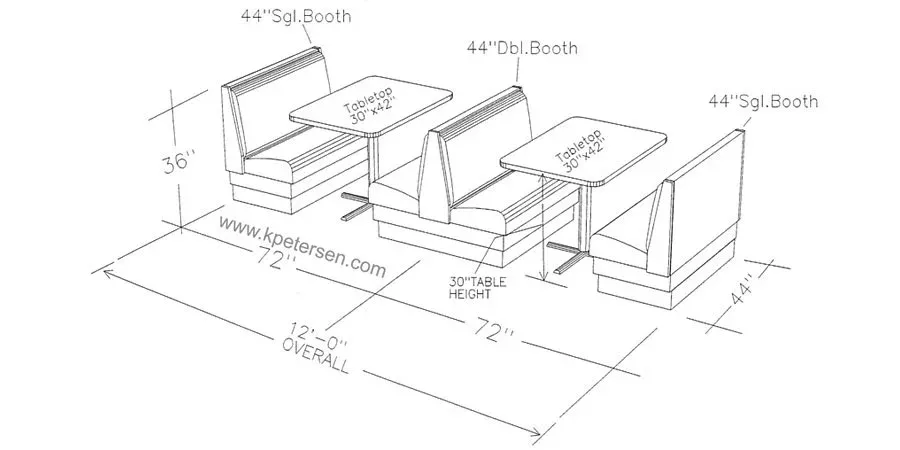
When it comes to designing or renovating a restaurant, one of the most crucial aspects to consider is the layout and seating arrangement. This is where restaurant booth measurements come into play. Getting the measurements right can significantly impact your restaurant's capacity, customer comfort, and overall ambiance. In this guide, we'll delve into the world of restaurant booth measurements, providing you with practical tips and industry standards to help you create the perfect dining space.
Understanding Restaurant Booth Sizes
Restaurant booths come in various sizes to accommodate different group sizes. The most common booth sizes are two-person, four-person, and six-person booths. However, some restaurants may also offer larger booths to accommodate bigger parties. The size of your booths will depend on the size of your dining area, the type of cuisine you serve, and your target customer base.
Two-Person Booths
Two-person booths are ideal for intimate dining experiences and are commonly found in fine dining establishments. They typically measure around 42 inches to 48 inches in width and 60 inches to 72 inches in depth. This size allows for comfortable seating and easy navigation around the table.


Four-Person Booths
Four-person booths are a staple in many restaurants, providing ample seating for small groups. The standard size for a four-person booth is 60 inches to 66 inches in width and 60 inches to 72 inches in depth. However, some restaurants may opt for larger four-person booths to accommodate bigger parties or provide more elbow room.
Six-Person Booths
Six-person booths are perfect for larger groups and are often found in family-style restaurants. The typical size for a six-person booth is 72 inches to 84 inches in width and 60 inches to 72 inches in depth. Keep in mind that larger booths may require more space between them to allow for easy access and navigation.


Restaurant Booth Spacing
Proper spacing between booths is essential for maintaining customer comfort and ensuring efficient service. The general rule of thumb is to allow for at least 36 inches to 48 inches of space between the backs of booths. This allows servers to navigate easily between tables and gives customers enough room to enter and exit their seats.
Booth Height and Back Height
The height of your booths and the height of the booth backs can also impact the dining experience. Booths that are too low can make customers feel cramped, while booths that are too high can make the dining area feel claustrophobic. The standard height for restaurant booths is between 42 inches and 48 inches, with booth backs ranging from 36 inches to 42 inches in height.
Restaurant Booth Layout
The layout of your booths can significantly impact the flow and ambiance of your dining area. Here are some popular restaurant booth layouts to consider:


- Linear Layout: This layout involves arranging booths in a straight line along the walls of your dining area. This layout is simple and efficient, allowing for easy navigation and maximum seating capacity.
- Zigzag Layout: This layout involves arranging booths in a zigzag pattern, creating a more dynamic and interesting dining space. This layout can also help to maximize seating capacity in smaller dining areas.
- Cluster Layout: This layout involves grouping booths together to create distinct dining areas within your restaurant. This layout is ideal for creating a more intimate and cozy dining experience.
Restaurant Booth Materials
The materials you choose for your restaurant booths can also impact the dining experience. Here are some popular restaurant booth materials to consider:
| Material | Pros | Cons |
|---|---|---|
| Leather | Durable, easy to clean, and provides a luxurious feel. | Can be expensive and may not be suitable for all restaurant concepts. |
| Vinyl | Affordable, easy to clean, and comes in a variety of colors and textures. | May not be as durable as leather and can be difficult to repair if damaged. |
| Fabric | Comfortable, can be easily cleaned, and comes in a variety of colors and patterns. | May not be as durable as leather or vinyl and can be difficult to maintain in high-traffic areas. |
Tips for Choosing Restaurant Booth Measurements
When choosing restaurant booth measurements, it's essential to consider the unique needs of your restaurant. Here are some tips to help you make the right decision:
- Consider your target customer base and the average party size.
- Measure your dining area carefully to ensure that booths fit comfortably within the space.
- Test different booth layouts and measurements to see what works best for your restaurant.
- Consider the flow and navigation of your dining area, ensuring that there is enough space between booths for easy access.
- Choose booth materials that are durable, easy to clean, and fit with your restaurant's concept and aesthetic.
In conclusion, restaurant booth measurements play a crucial role in creating a comfortable, efficient, and inviting dining space. By understanding the different booth sizes, spacing requirements, and layout options, you can design a restaurant that caters to your target customer base and sets your establishment apart from the competition.


Related Articles
"Restaurant Booth Seating Dimensions: Perfect for Your Dining Space"
When designing or renovating a restaurant, one crucial aspect often overlooked is the booth seating measurements. Booths not only provide a cozy and intimate...
"Dimensions of a Diner Booth: Perfect Booth Sizes for Your Space"
The dimensions of a diner booth are crucial for ensuring comfort, accessibility, and efficient use of space. Whether you're designing a new diner or renovating...

"Small Kitchen Counter Sizes: Perfect Dimensions for Your Space"
When designing or renovating a small kitchen, every inch of space counts, and that includes your kitchen counter measurements. The countertop is where you'll...

"China Hutch Dimensions: Perfect Sizes for Your Space"
When it comes to furnishing your home, a China hutch is a timeless piece that adds both functionality and elegance. These versatile furniture items...

"Kitchen Booth Sizes: Perfect Measurements for Your Space"
When planning your dream kitchen, one crucial aspect that often goes overlooked is the booth seating area. Not only does it provide additional seating, but it...
"Restaurant Booth Sizes: Standard Dimensions & Best Practices"
When it comes to dining out, the size of a restaurant booth can significantly impact the overall experience. It affects comfort, privacy, and even the flow of...