"Restaurant Hoarding Design Templates: Boost Your Brand's Curb Appeal"
In the dynamic world of hospitality, restaurant design is not just about aesthetics; it's about creating an experience that engages all the senses. One innovative approach gaining traction is restaurant hoarding design, a template that combines functionality, creativity, and sustainability. Let's delve into the concept, its benefits, and how to implement it.
Understanding Restaurant Hoarding Design
Hoarding design, popular in the construction industry, is a temporary partitioning system used to separate work areas, control noise, and manage dust. When applied to restaurant design, it transforms into a dynamic, modular, and eco-friendly template that offers numerous advantages.
Benefits of Restaurant Hoarding Design
- Flexibility and Adaptability: Hoarding systems can be easily reconfigured to adapt to changing needs, making them ideal for pop-up restaurants, event spaces, or evolving dining concepts.
- Cost-Effective: They are affordable, reusable, and require minimal maintenance, reducing long-term costs.
- Sustainable: Made from recyclable materials, hoarding systems contribute to a greener, more sustainable restaurant industry.
- Noise Reduction: They help control noise levels, ensuring a peaceful dining experience for guests and compliance with local noise regulations.
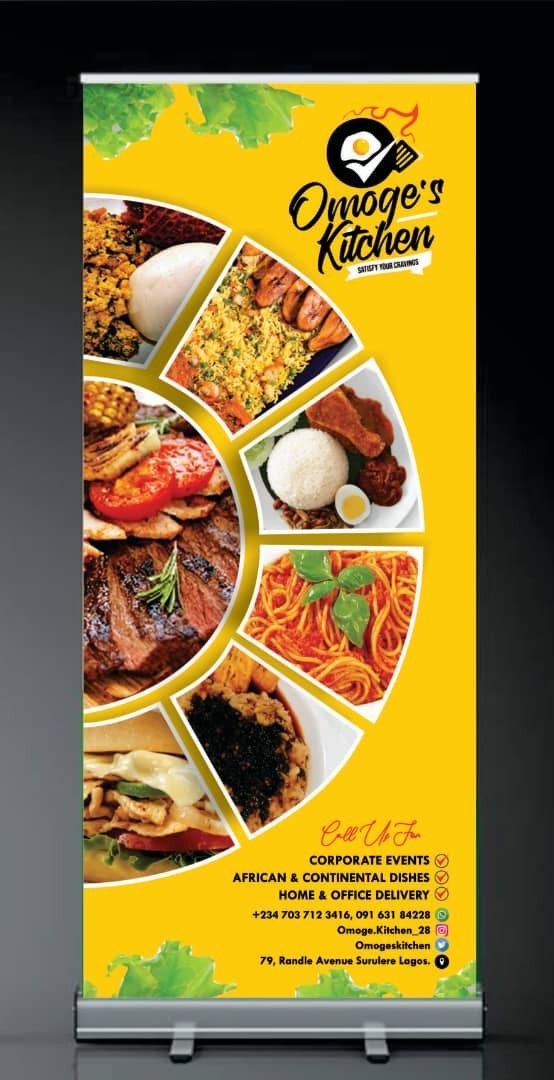
- Branding Opportunities: Hoarding systems can be customized with branding elements, turning them into mobile billboards that promote your restaurant's identity.
Types of Restaurant Hoarding Design
Hoarding systems come in various types, each serving a unique purpose:


- Smooth Hoarding: Ideal for creating smooth, seamless surfaces for branding and advertising.
- Studded Hoarding: Provides additional strength and durability, perfect for high-traffic areas or events.
- Acoustic Hoarding: Offers superior noise reduction, ensuring a quiet and comfortable dining environment.
Implementing Restaurant Hoarding Design
Implementing hoarding design involves several steps:
- Assess Your Needs: Determine the size, layout, and duration of your restaurant space to choose the right hoarding system.
- Choose the Right Supplier: Select a reputable supplier that offers quality products, competitive pricing, and excellent customer service.
- Design and Branding: Work with a designer to create a visually appealing and functional layout. Incorporate your restaurant's branding elements to create a cohesive look.
- Installation: Hire professionals to install the hoarding system. They will ensure it's secure, level, and compliant with local building codes.
- Maintenance and Storage: Regularly clean and maintain the hoarding system. When not in use, store it properly to extend its lifespan.
Case Studies: Restaurant Hoarding Design in Action
From pop-up restaurants to event spaces, hoarding design has been successfully implemented in various hospitality settings. For instance, the "Disappearing Dining Club" in London uses hoarding systems to create unique, temporary dining experiences in unexpected locations. Similarly, "The Fat Duck" in Bray, UK, uses hoarding systems to manage noise and dust during its frequent renovations.


Restaurant hoarding design is not just a trend; it's a practical, sustainable, and cost-effective solution that offers unparalleled flexibility and adaptability. By embracing this innovative approach, you can create a dynamic, engaging, and eco-friendly dining experience that sets your restaurant apart.




Related Articles

"Free Restaurant Floor Plan Templates: Design Your Dream Dining Space"
Are you a restaurant owner or manager looking to optimize your dining space? A well-designed restaurant floor plan can significantly enhance customer...

"Exterior Brick Wall Design Ideas: Transform Your Home's Curb Appeal"
Transforming your home's exterior with brick wall design ideas can significantly enhance its curb appeal and overall aesthetic. Bricks, with their timeless...

"Boost Curb Appeal: 10 Creative Landscaping Ideas for Your Home"
Boosting your home's curb appeal doesn't have to involve a complete overhaul or a hefty budget. With some creative landscaping ideas, you can transform your...

"Tropical Container Plant Combinations: Boost Your Curb Appeal"
Transform your outdoor spaces or indoor living areas into lush, vibrant oases with tropical container plant combinations. By strategically pairing plants in...

Circular Driveway Design Ideas: Enhance Your Home's Curb Appeal
Crafting a circular driveway design isn't just about functionality; it's an opportunity to make a striking first impression and enhance your property's curb...

"House Exterior Design Ideas: Inspiring Ways to Boost Curb Appeal"
Transforming your house's exterior into a welcoming and visually appealing space doesn't have to be a daunting task. With the right house exterior design...