Rustic Basement Bars: Cozy Retreats for Your Home
Nestled beneath the main living space, basements often hold untapped potential. One captivating way to transform this often overlooked area into a welcoming retreat is by creating a rustic basement bar. This space can serve as a cozy gathering spot for friends and family, or a quiet sanctuary for relaxation. Let's delve into the art of designing rustic basement bars, exploring materials, layouts, and unique features that can make your space truly one-of-a-kind.
Embracing Rustic Charm
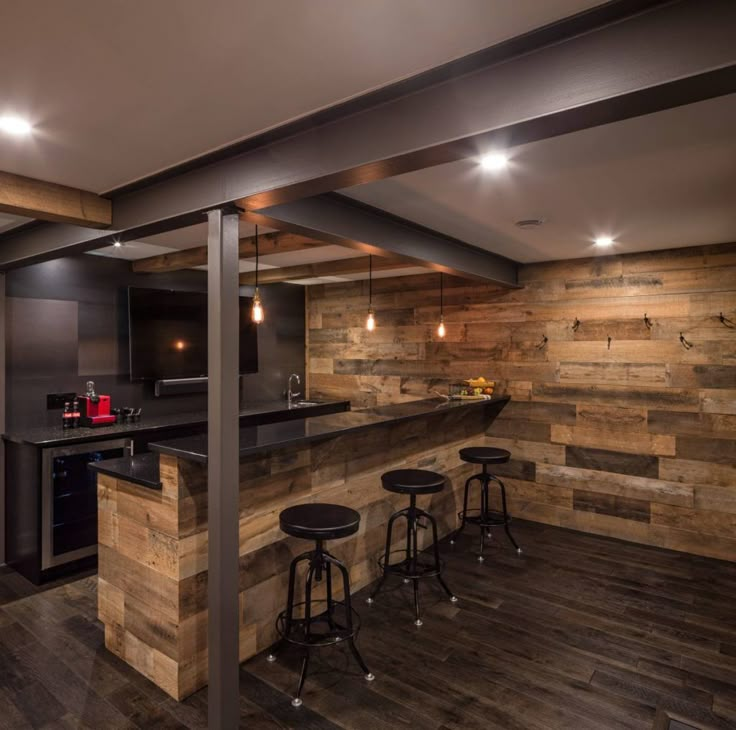
Rustic design draws inspiration from nature and the past, incorporating raw, authentic materials and time-worn finishes. When designing a rustic basement bar, consider the following elements to evoke a sense of warmth and history:
- Wood: The backbone of rustic design, wood brings texture and warmth. Opt for reclaimed or distressed wood for a more authentic look.
- Stone: Natural stone surfaces, like granite or quartz, add a touch of rugged elegance. Consider using stone for countertops, backsplashes, or accent walls.
- Metal: Incorporate metal elements, such as iron or copper, to add a touch of industrial charm. Think exposed pipes, metal bar stools, or copper pendant lights.
- Exposed Elements: Don't be afraid to leave ducts, pipes, or beams exposed. These elements can add character and reinforce the rustic aesthetic.
Layout Considerations
Before you start building, consider the layout of your basement bar. Here are some factors to keep in mind:


- Size and Shape: Basements come in various shapes and sizes. Make the most of your space by choosing a layout that fits your needs, whether it's a U-shaped bar, an L-shaped counter, or a simple island.
- Traffic Flow: Ensure there's enough room for people to move around comfortably. Consider the path from the stairs to the bar, as well as space for seating and circulation.
- Zoning: Divide your space into distinct zones, such as a bar area, seating area, and game zone. This can help create a more dynamic and interesting layout.
Must-Have Features
A well-designed rustic basement bar should include these essential features:
| Feature | Why It's Important |
|---|---|
| Bar Counter: The heart of your basement bar. | Provides a surface for preparing drinks and socializing. |
| Seating: Comfortable places to sit and relax. | Encourages guests to linger and enjoy the space. |
| Storage: Shelves, cabinets, or a wine rack. | Keeps your bar organized and well-stocked. |
| Lighting: A mix of ambient, task, and accent lighting. | Sets the mood and ensures your space is well-lit. |
| Entertainment: A TV, game table, or sound system. | Provides fun and engaging activities for your guests. |
Unique Touches
To make your rustic basement bar truly stand out, consider adding unique touches that reflect your personality and interests:


- Antique Barware: Display vintage bottles, glasses, or signs to add a touch of history and character.
- DIY Projects: Incorporate handmade elements, like a reclaimed wood bar top or a mason jar chandelier.
- Artwork: Hang artwork that complements your rustic theme, such as landscapes, animal prints, or vintage posters.
- Live Edge Wood: Incorporate a live edge wood slab as a countertop or table for a striking, natural focal point.
Creating a rustic basement bar is an exciting opportunity to transform your basement into a cozy, inviting space. By incorporating natural materials, thoughtful layout, and unique touches, you can design a space that's perfect for entertaining or relaxing. So, grab your tool belt and let the DIY adventure begin!



Related Articles

"Basement Living Room with Fireplace: Cozy Retreats for Your Home"
Transforming a basement into a cozy, inviting living room is a fantastic way to maximize your home's square footage and create a unique, intimate space. A...

Basement Guest Rooms: Cozy Retreats for Your Visitors
Transforming an underutilized basement into a cozy guest room can significantly enhance your home's functionality and value. This comprehensive guide will walk...

Mountain Lodge Bedroom Set: Cozy Retreats for Your Home
Nestled in the heart of the great outdoors, a mountain lodge bedroom set offers a sanctuary of rustic charm and comfort. These bedroom sets are designed to...

"Small Home Pub Ideas: Cozy Bars for Your Space"
Transform Your Space: Small Home Pub Ideas Creating a cozy, inviting pub-like atmosphere in your small home doesn't require a large space or a hefty budget...

"Country Cottage Names: Charming Ideas for Your Cozy Home"
Nestled in the heart of the countryside, a country cottage is more than just a home; it's a sanctuary, a retreat from the hustle and bustle of city life. One...

"Barn Wood Office Desk: Rustic Elegance for Your Home Office"
Transform your workspace into a rustic masterpiece with a barn wood office desk. This unique blend of vintage charm and modern functionality is not only an...