"Sedum Rock Garden Ideas: Create a Low-Maintenance Oasis"
Transform your outdoor space into a captivating, low-maintenance oasis with sedum rock garden ideas. Sedum, a genus of succulents, thrives in rocky, well-draining environments, making them perfect for creating stunning, drought-tolerant rock gardens. Let's delve into creative ways to incorporate sedum into your garden design.
Understanding Sedum for Rock Gardens
Sedum, often referred to as stonecrop, is a versatile and hardy plant that comes in various shapes, sizes, and colors. Their fleshy leaves store water, enabling them to survive in harsh conditions. Some popular sedum species for rock gardens include:
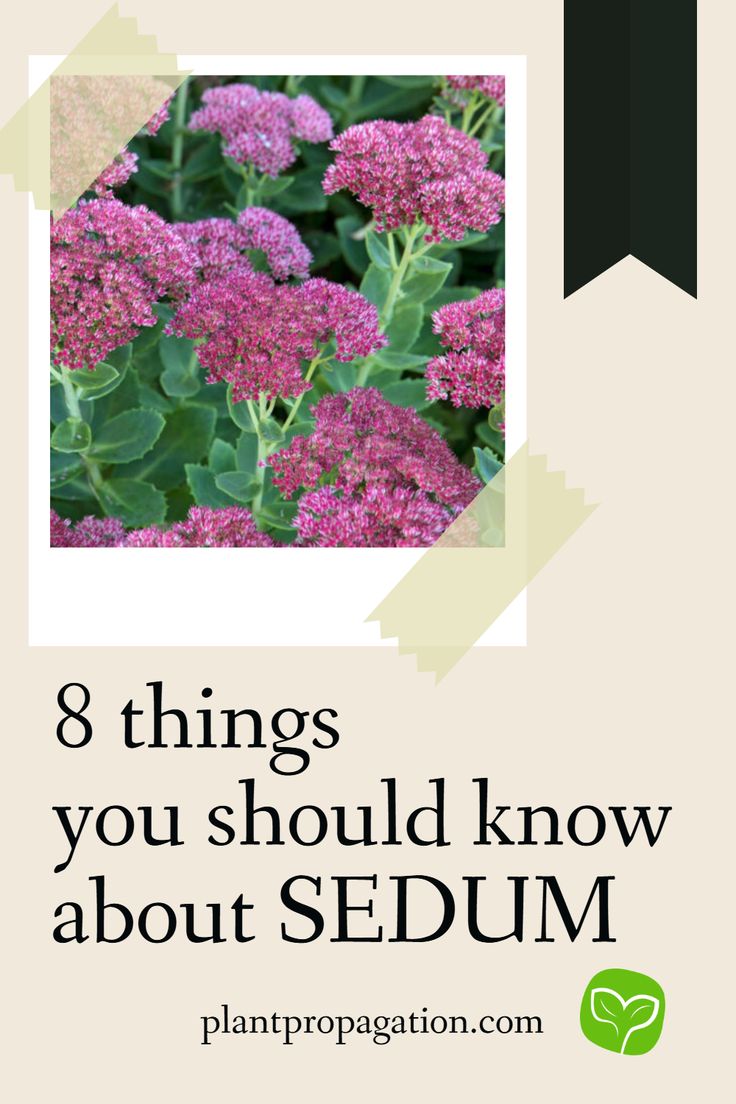
- Sedum 'Autumn Joy' - A hardy, upright grower with pinkish-purple flowers that turn coppery-bronze in fall.
- Sedum spurium 'Dragon's Blood' - A low-growing, spreading sedum with deep red-purple leaves and yellow flowers.
- Sedum 'Angelina' - A groundcover sedum with chartreuse leaves that turn gold in fall and small, yellow flowers.
Designing Your Sedum Rock Garden
Before you start planting, consider the size, shape, and location of your rock garden. Choose a spot with well-draining soil and full sun to partial shade, depending on the sedum species. Here are some design ideas to inspire your rock garden:


Rockeries
Create a natural, sloping landscape using large rocks and boulders. Plant sedum in the crevices and along the edges, allowing them to cascade down the sides. This design creates a striking, rugged look that blends seamlessly with the surrounding environment.
Dry Streambeds
Replicate the appearance of a dry streambed using smooth, rounded pebbles and gravel. Plant sedum along the edges and in clusters throughout the bed. This design adds texture and movement to your garden while providing a habitat for local wildlife.


Mosaic Patterns
Arrange rocks in intricate patterns or geometric shapes, then fill the gaps with sedum. This design adds visual interest and can be customized to match your garden's aesthetic. Consider using different sedum species and colors for a more dynamic look.
Planting and Maintaining Your Sedum Rock Garden
To create a thriving sedum rock garden, follow these planting and maintenance tips:
- Prepare the soil by removing weeds and working in plenty of organic matter to improve drainage.
- Arrange rocks and gravel according to your design, creating spaces for planting.
- Plant sedum in well-draining soil, spacing them appropriately for their mature size.
- Water newly planted sedum regularly until they're established, then reduce watering to encourage drought tolerance.
- Mulch around plants with a layer of gravel or small pebbles to suppress weeds and retain moisture.
- Prune sedum as needed to maintain their shape and encourage bushiness. Most sedum species can be cut back in early spring or late fall.
Complementing Sedum in Your Rock Garden
To create a cohesive and engaging garden design, consider incorporating complementary plants and features:


| Plant | Why it works |
|---|---|
| Grasses (e.g., Festuca, Carex) | Add texture and movement, complementing sedum's low-growing habit. |
| Ornamental grasses (e.g., Miscanthus, Calamagrostis) | Provide height and structure, creating a striking contrast with sedum. |
| Mosses and lichens | Add softness and color, helping to integrate the rock garden with its surroundings. |
| Boulders and stepping stones | Enhance the garden's natural appearance and provide functional spaces for seating or walking. |
By incorporating sedum into your rock garden design, you'll create a captivating, low-maintenance space that thrives in challenging conditions. Embrace the unique beauty of sedum and let your garden flourish with these versatile, hardy plants.




Related Articles

"Garden Design Ideas for Seniors: Create a Comfortable Oasis"
As we age, our gardens can become a sanctuary, a place to relax, reflect, and enjoy nature. However, it's essential to design a garden that caters to the needs...

"Woodland Garden Ideas: Create a Magical Oasis"
Immerse yourself in nature's embrace with a captivating woodland garden, a sanctuary that blurs the lines between wild and cultivated. Woodland gardens are not...

"Small Yard Cactus Garden Ideas: Create a Desert Oasis"
Transforming a small front yard into a vibrant, low-maintenance oasis is easier than you think, especially with the help of hardy, drought-resistant cacti...

"Diy Rock Waterfall Ideas: Create Your Own Oasis"
Transform your outdoor space into a serene oasis with DIY rock waterfall ideas. Waterfalls not only add a touch of nature but also create a soothing ambiance...

"Sedum Garden Ideas: Low-Maintenance, High-Impact Designs"
Transform your outdoor space into a lush, low-maintenance oasis with sedum garden ideas. Sedums, also known as stonecrops, are hardy, drought-tolerant...

"Low-Maintenance Large Garden Ideas UK"
Creating a large, beautiful garden doesn't have to mean spending every weekend on your hands and knees. With the right design and plant choices, you can enjoy...