"Shell Baptism Symbol: Unveiling the Spiritual Significance"
The Shell Baptism, a symbol deeply rooted in Christian tradition, is a profound and meaningful ritual that has captivated believers for centuries. This ancient practice, also known as Chrismation, is a sacrament in which the baptized person is anointed with oil, symbolizing the gift of the Holy Spirit. The shell, a humble yet powerful symbol, plays a significant role in this sacred rite, making it a fascinating topic for both religious scholars and spiritual seekers alike.
Understanding the Shell Baptism Symbol
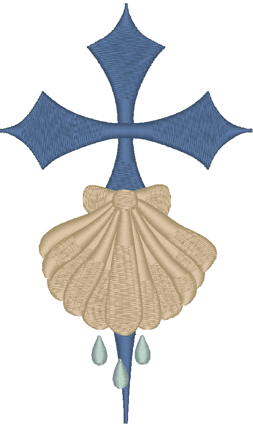
The shell, a simple yet profound symbol, is often used in baptismal services to pour the holy water over the head of the person being baptized. This act is not merely a ritual, but a profound spiritual act that signifies several important aspects of the Christian faith. The shell, in this context, is a symbol of new life, purification, and the journey of faith.
The Shell as a Symbol of New Life
The shell is often associated with new life due to its role in the birth and growth of marine creatures. In the context of Shell Baptism, this symbolism is extended to represent the new life in Christ that the baptized person is beginning. Just as the shell provides a safe haven for new life to grow and develop, so too does the Christian faith offer a place of nurturing and growth for the spiritual life.


The Shell as a Symbol of Purification
The shell also serves as a symbol of purification in the Shell Baptism. The water poured from the shell represents the cleansing power of the Holy Spirit, washing away the sins and impurities of the past. This act of purification is a central aspect of the Christian faith, as seen in the story of Jesus' own baptism in the Jordan River by John the Baptist.
The History and Significance of Shell Baptism
Shell Baptism has a rich history that dates back to the early centuries of Christianity. The use of the shell in baptismal services can be traced back to the 3rd century, with some of the earliest recorded instances occurring in North Africa and the Middle East. The practice was later adopted by the Roman Catholic Church and has since become a widespread tradition in many Christian denominations.


The Role of the Shell in Early Christian Art
The shell has also played a significant role in early Christian art, often appearing in depictions of baptismal scenes. One of the most famous examples is the 5th-century mosaics in the Church of San Vitale in Ravenna, Italy, which feature a baptismal scene with a large shell prominently displayed. This artistic tradition underscores the importance of the shell as a symbol in the early Christian Church.
The Shell Baptism in Different Christian Traditions
While Shell Baptism is a widespread practice, its specific forms and meanings vary among different Christian traditions. In the Eastern Orthodox Church, for instance, the baptismal service includes a detailed anointing with oil using a shell, with each part of the body symbolizing a different aspect of the Christian life. In the Roman Catholic Church, the shell is often used to pour the baptismal water, with the priest or deacon saying, "I baptize you in the name of the Father, and of the Son, and of the Holy Spirit."
The Shell Baptism in the Anglican and Protestant Traditions
In the Anglican and Protestant traditions, the use of the shell is less common, but it is not unheard of. Some Anglican churches, for example, use a shell to pour the baptismal water, while others use a cup or a pitcher. In the Protestant tradition, the emphasis is often more on the act of immersion in water, rather than the use of a specific vessel like the shell.


Theological Interpretations of the Shell Baptism Symbol
Theological interpretations of the Shell Baptism symbol vary, but they often revolve around the themes of new life, purification, and the journey of faith. Some theologians see the shell as a symbol of the Church itself, which provides a place of nurturing and growth for the spiritual life. Others see it as a symbol of the Holy Spirit, who descends like a dove (another bird associated with shells) to bring new life and purification.
The Shell Baptism and the Journey of Faith
Another interpretation of the Shell Baptism symbol is that it represents the journey of faith. Just as the shell is a vessel that carries water from one place to another, so too does the Christian faith carry us from our old life of sin to a new life in Christ. This interpretation underscores the dynamic and transformative nature of the Christian faith, which is not just a set of beliefs, but a way of life.
The Shell Baptism in Popular Culture and Art
The Shell Baptism has also left its mark on popular culture and art. In literature, the shell is often used as a symbol of baptism and new life, as seen in works like Flannery O'Connor's "The Violent Bear It Away" and Gabriel García Márquez's "One Hundred Years of Solitude." In visual art, the shell continues to be used as a symbol in depictions of baptismal scenes, with notable examples including the works of artists like Jan van Eyck and Piero della Francesca.


The Shell Baptism in Music and Film
The Shell Baptism has also inspired music and film. In music, the shell is often used as a symbol in spirituals and gospel songs, with notable examples including "Go Down Moses" and "This Little Light of Mine." In film, the shell is used to symbolize baptism and new life in movies like "The Color Purple" and "The Passion of the Christ."
Conclusion: The Enduring Significance of the Shell Baptism Symbol
The Shell Baptism, with its rich history and profound symbolism, continues to captivate and inspire Christians today. From its humble beginnings in the early Christian Church to its widespread use in contemporary baptismal services, the shell has remained a powerful symbol of new life, purification, and the journey of faith. Whether used in art, literature, music, or film, the shell continues to remind us of the transformative power of the Christian faith and the gift of the Holy Spirit.
Related Articles

"Scallop Shell: Unveiling Its Spiritual Significance"
The scallop shell, with its distinctive fan shape and intricate patterns, has long captivated human imagination. Beyond its culinary and decorative uses, this...
Baptism Shell Symbol: Unveiling Its Meaning
The baptism shell, a symbol deeply rooted in Christian tradition, is often depicted in religious art and iconography. This humble seashell, typically a scallop...

"Scallop Shell Symbolism in Christianity: Unveiling the Spiritual Significance"
The scallop shell, a symbol of pilgrimage and spiritual journey, holds significant meaning in Christianity, particularly in relation to the Camino de Santiago...

"Conch Shell Symbol: Meaning & Spiritual Significance"
The conch shell, a spiral-shelled sea snail, has long been a symbol of the sea and its mysteries. Its rich history and cultural significance have made it a...

Scallop Shell Symbolism in the Bible: Unveiling Its Spiritual Significance
The scallop shell, a humble yet symbolically rich icon, holds significant meaning in various cultures and religions, including Christianity. This article...

Scallop Symbol Meaning: Unveiling the Spiritual Significance
The scallop symbol, a small, intricate shell-like icon, holds significant meaning across various cultures and fields. This article delves into the history...