Shell Catholic Symbol: Unveiling the Meaning Behind the Symbol
The shell is a powerful and ancient symbol in Catholic tradition, representing various spiritual concepts and teachings. This symbol, often depicted as a seashell, has been incorporated into Catholic art, architecture, and liturgy for centuries, carrying profound meanings that resonate with the faithful. Let's delve into the significance of the shell as a Catholic symbol and explore its rich history and symbolism.
The Shell as a Symbol of Baptism
One of the most prominent associations of the shell in Catholicism is its connection to the sacrament of Baptism. The shell is often used to pour water during the Baptismal rite, symbolizing the cleansing and renewal that comes with this sacred act. This practice dates back to the early centuries of Christianity, with some of the earliest Christian art depicting baptismal fonts in the shape of a shell.
The origins of the Baptismal Shell
The use of the shell in Baptism can be traced back to the early Christian catacombs in Rome. Here, the shell was often depicted alongside scenes of Baptism, indicating its early use in the rite. Some historians suggest that the shell was chosen for its practicality, as it could easily be filled with water and held above the head of the candidate for Baptism. However, its symbolic significance runs much deeper.


The Shell as a Symbol of Pilgrimage
Beyond its connection to Baptism, the shell also serves as a symbol of pilgrimage in Catholicism. The most famous example of this is the scallop shell, which is associated with the pilgrimage to Santiago de Compostela in Spain. Pilgrims to this shrine would often carry a scallop shell as a symbol of their journey and a reminder of the spiritual renewal that comes with pilgrimage.
The Scallop Shell and St. James
The connection between the scallop shell and the pilgrimage to Santiago de Compostela is rooted in the legend of St. James, one of the twelve apostles of Jesus. According to tradition, St. James' remains were brought to Spain and buried in what is now the city of Santiago. The scallop shell is said to have been his symbol, and pilgrims to his shrine would often collect a scallop shell as a memento of their journey.


The Shell as a Symbol of the Holy Spirit
In addition to its association with Baptism and pilgrimage, the shell also holds symbolic significance in relation to the Holy Spirit. In some interpretations, the shell represents the descent of the Holy Spirit, as depicted in the story of Pentecost. The shell's spiral shape is seen as a symbol of the divine wind or breath that filled the apostles with the Holy Spirit, empowering them to spread the Gospel.
The Shell and the Dove
In some Catholic art, the shell is depicted alongside a dove, symbolizing the Holy Spirit. This pairing is often found in depictions of Pentecost, with the dove representing the descent of the Holy Spirit and the shell representing the spiritual renewal that comes with this event. This symbolism is a powerful reminder of the transformative power of the Holy Spirit in the lives of the faithful.
The Shell in Catholic Art and Architecture
The shell has been a prominent motif in Catholic art and architecture throughout the centuries, appearing in a wide range of forms and styles. From the intricate carvings on medieval cathedrals to the vibrant mosaics in Byzantine churches, the shell's spiritual significance has been expressed in countless artistic traditions.


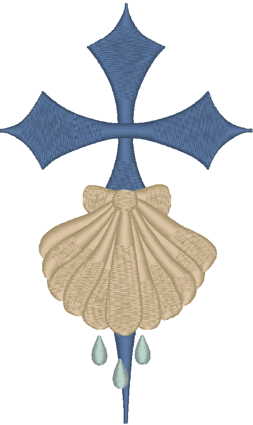

Examples of the Shell in Catholic Art
- The Baptismal font at St. Peter's Basilica in Vatican City, which is shaped like a large shell.
- The mosaics at the Basilica of San Vitale in Ravenna, Italy, which depict Christ and the apostles standing on seashells.
- The carvings on the facade of Notre-Dame Cathedral in Paris, which include a series of seashells and other marine motifs.
These examples, among many others, demonstrate the enduring appeal of the shell as a Catholic symbol. Whether depicted in stone, glass, or paint, the shell serves as a powerful reminder of the spiritual themes and teachings that lie at the heart of the Catholic faith.


Related Articles

Baptism Shell Symbol: Unveiling Its Meaning
The baptism shell, a symbol deeply rooted in Christian tradition, is often depicted in religious art and iconography. This humble seashell, typically a scallop...

"Harmony Day Symbol: Unveiling the Meaning Behind the Logo"
Harmony Day, celebrated annually on March 21st, is a day to celebrate Australia's multiculturalism, bringing people together and promoting social inclusion. At...
"Scallop Shell: Catholic Symbol Meaning & History"
The scallop shell, a humble yet profound symbol in Catholic tradition, holds a rich history and significance that has captivated believers for centuries. This...

Indian Larry Logo: Unveiling the Meaning Behind the Iconic Symbol
The Indian Larry Logo, a symbol of rebellion and individuality, is synonymous with the iconic motorcycle builder and racer, Indian Larry. This article delves...

"Unveiling the Meaning Behind Conversation Piece Lyrics"
Unraveling the Enigma: An In-Depth Look at Conversation Piece Lyrics Meaning The term "conversation piece" is often used in the art world to describe a...

Orange Tabby Cat: Unveiling the Meaning Behind This Feline's Coat
When you spot a cat with a distinct orange coat and distinctive "M" or "O" markings on its body, you're likely looking at an orange tabby. But what does this...