"Simple Home Renovation Budget Template: Plan Your Project with Ease"
Embarking on a home renovation project can be an exciting yet daunting task, especially when it comes to managing your budget. To ensure your project stays on track and within your financial means, creating a simple yet effective home renovation budget template is crucial. This article will guide you through the process of creating a budget template that's tailored to your needs, helping you to keep track of expenses and avoid overspending.
Understanding Your Renovation Budget
Before diving into creating your budget template, it's essential to understand the key components of a home renovation budget. Typically, a renovation budget consists of:
- Labor costs
- Material costs
- Contingency fund (10-15% of your total budget for unexpected expenses)
- Design and planning fees
- Permit and inspection fees
Creating Your Home Renovation Budget Template
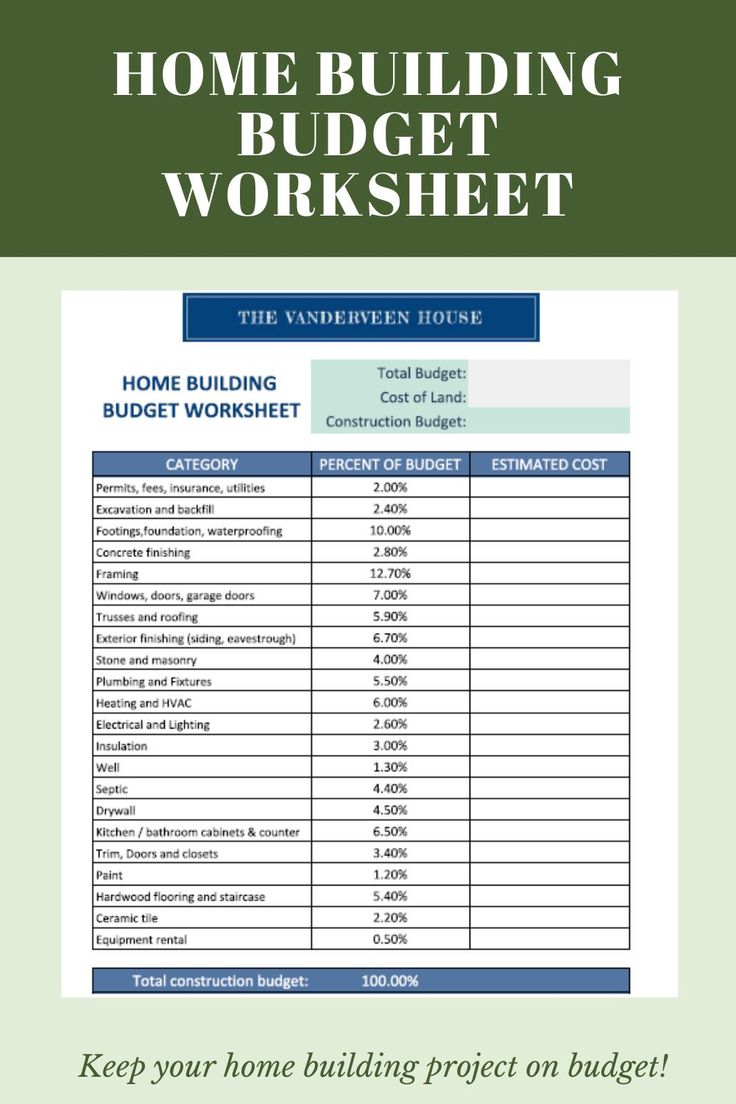
Now that you understand the key components of a home renovation budget, it's time to create your budget template. Here's a simple and effective way to structure your template using a table:


| Category | Subcategory | Estimated Cost | Actual Cost | Difference |
|---|---|---|---|---|
| Labor | Carpentry | $5,000 | ||
| Plumbing | $3,500 | |||
| Electrical | $2,500 | |||
| Materials | Flooring | $4,000 | ||
| Paint | $1,000 | |||
| Fixtures | $3,000 | |||
| Appliances | $2,500 | |||
| Contingency Fund | $2,000 | |||
| Design & Planning | $1,500 | |||
| Permits & Inspections | $500 | |||
| Total | $22,000 |
Filling in Your Budget Template
To fill in your budget template, follow these steps:
- Research the average costs of labor and materials for your specific project. Websites like HomeAdvisor and Houzz can provide helpful estimates.
- Allocate a contingency fund (10-15% of your total budget) to account for unexpected expenses.
- Add up all the estimated costs and compare it to your total budget. Make adjustments as necessary.
- During the renovation process, track your actual expenses and update the "Actual Cost" and "Difference" columns in your template.
Tips for Sticking to Your Renovation Budget
Creating a budget template is just the first step in managing your home renovation project. Here are some additional tips to help you stick to your budget:


- Prioritize your renovation projects to ensure you're focusing on the most important and valuable improvements.
- Shop around for the best prices on materials and labor.
- Consider DIY projects to save on labor costs.
- Communicate openly with your contractor about any changes or additional costs that may arise during the project.
- Regularly review and update your budget template to ensure you're on track and make adjustments as necessary.
By following these steps and utilizing a simple yet effective home renovation budget template, you'll be well on your way to a successful and financially manageable home renovation project. Happy renovating!




Related Articles
"Home Remodel Budget Template Excel: Plan Your Renovation with Ease"
Embarking on a home remodel project can be an exciting yet daunting task, especially when it comes to managing your budget. A well-structured budget template...

"Renovation Budget Checklist: Plan Your Project with Ease"
Embarking on a home renovation project can be an exciting yet daunting task, especially when it comes to managing your budget. With so many variables and...
"Remodeling Budget Worksheet: Plan Your Project with Ease"
Embarking on a home remodeling project can be an exciting yet daunting task, especially when it comes to managing your budget. A well-structured remodeling...

"Home Remodel Budget Template: Plan Your Dream Space Today!"
Home Remodel Budget Template: Plan Your Project Like a Pro Embarking on a home remodel project can be an exciting yet daunting task. One of the most crucial...

"Bathroom Renovation Budget Template: Plan Your Dream Bathroom Today!"
Embarking on a bathroom renovation project can be an exciting yet daunting task, especially when it comes to budgeting. To ensure your project stays on track...

"Bathroom Renovation Budget Template Excel: Plan Your Dream Bathroom Today!"
Embarking on a bathroom renovation project can be an exciting yet daunting task, especially when it comes to managing your budget. Creating a detailed budget...