"10 Simple & Engaging High School Science Project Ideas"
High school science projects are an excellent way for students to apply their knowledge, foster curiosity, and develop essential skills. If you're looking for simple yet engaging ideas, you've come to the right place. Here, we've compiled a list of high school science project ideas that are not only easy to execute but also fun and educational.
Understanding the Scientific Method
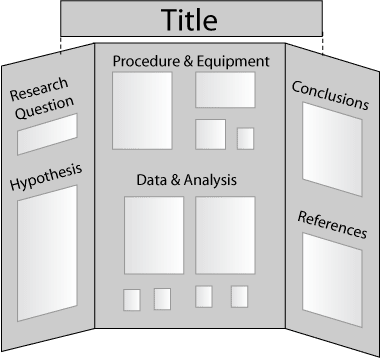
Before diving into project ideas, it's crucial to understand the scientific method. This process involves making observations, asking questions, formulating hypotheses, conducting experiments, analyzing data, and communicating results. Familiarizing yourself with this process will help you approach your project systematically.
Simple and Engaging High School Science Project Ideas
1. Lava Lamp Experiment
The lava lamp experiment is a classic science project that demonstrates density and polarity. All you need are water, vegetable oil, food coloring, and an Alka-Seltzer tablet. By observing the reaction, students can learn about the properties of these substances and the role of polarity in their interaction.


2. Homemade Volcano
This project is perfect for understanding chemical reactions and the science behind volcanoes. You'll need baking soda, vinegar, food coloring, and a plastic bottle or clay to create the volcano shape. When the baking soda and vinegar react, they create a "lava" flow, demonstrating an exothermic reaction.
3. Dancing Raisins
This experiment illustrates the principle of density and buoyancy. You'll need raisins, clear soda, and a clear glass. When you drop the raisins into the soda, they sink to the bottom, then "dance" back up as the soda's carbonation escapes, demonstrating the change in density.


4. DIY Weather Station
For this project, students can build a simple weather station using household items to measure temperature, humidity, wind speed, and precipitation. This project encourages data collection and analysis, helping students understand weather patterns and climate change.
5. Growing Crystals
Growing crystals is an engaging way to learn about molecular structure and supersaturation. You'll need borax, water, food coloring, and pipe cleaners or string. By creating a supersaturated solution and allowing it to crystallize, students can observe the formation of crystals and learn about their structure.
6. The Science of Slime
Making slime is a fun and educational project that demonstrates the science behind polymers. You'll need glue, borax, water, and food coloring. By mixing these ingredients, students can observe the transformation of liquid into a solid-like substance, learning about the properties of polymers and cross-linking.


Choosing the Right Project
When selecting a project, consider your interests, the resources available, and the learning objectives. Remember that the best projects are those that spark curiosity and encourage exploration. Don't hesitate to modify or combine ideas to create a unique and engaging learning experience.
Tips for Success
- Start Early: Give yourself enough time to plan, execute, and refine your project.
- Ask Questions: Formulating clear, testable questions will guide your project and help you stay focused.
- Keep a Log: Document your observations, data, and thoughts throughout the project. This will help you analyze your results and communicate your findings.
- Be Open to Failure: Embrace the learning opportunities that come from failed experiments. Each attempt brings you one step closer to understanding the scientific principles at play.
High school science projects are an invaluable opportunity to explore, learn, and grow. By choosing one of these simple yet engaging ideas, you're taking the first step towards a rewarding scientific journey. Happy experimenting!




Related Articles
"Creative Science Project Ideas for High School Students"
Creative Science Project Ideas for High School Students Are you a high school science teacher or a parent looking for innovative and engaging project ideas to...

"Reduce, Reuse, Recycle: Innovative Science Projects for High School"
In the quest to promote environmental awareness and sustainability, high school science projects focused on the "Reduce, Reuse, Recycle" (3R) concept are not...
"Simple & Fun School Project Ideas for Kids"
Are you a teacher or a parent looking for engaging and simple school project ideas that can help students learn and grow? You've come to the right place. In...

"Simple Scrapbook Ideas for School Projects"
Embarking on a school project that involves creating a scrapbook can be an exciting and rewarding experience. Scrapbooking allows you to express your...
"Simple & Easy Scrapbook Ideas for School Projects"
Are you a teacher or parent looking for simple and easy scrapbook ideas for school projects? You've come to the right place! Scrapbooks are an excellent way to...

"Simple Black Chart Paper Decoration Ideas for School Projects"
Transforming a simple black chart paper into an engaging and informative display for your school project can be a fun and rewarding task. With a little...