"Standard Restaurant Booth Sizes: Perfect Dimensions for Your Diner"
When designing or renovating a restaurant, one crucial aspect to consider is the size and layout of your dining booths. Not only do they influence the overall aesthetic and comfort of your establishment, but they also play a significant role in your restaurant's capacity and turnover rate. This article delves into the standard restaurant booth size, its importance, and how to choose the right size for your establishment.
Understanding Standard Restaurant Booth Size
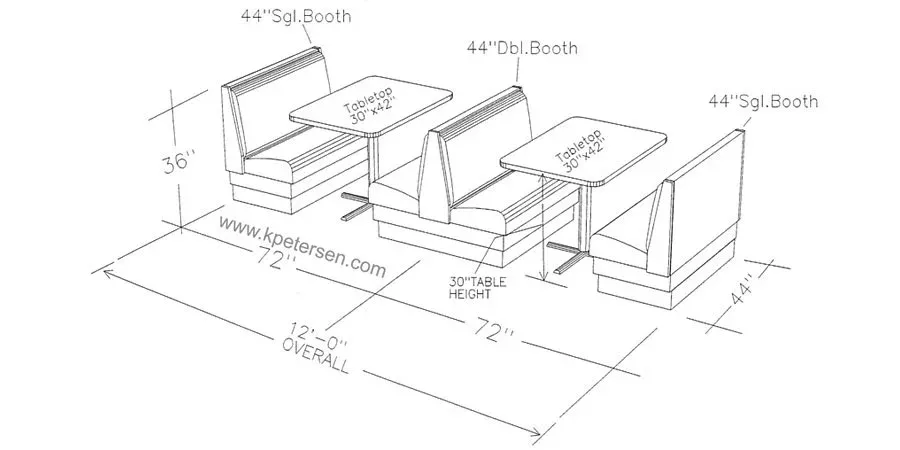
The standard restaurant booth size is typically measured in two ways: width and depth. The width refers to the measurement from one side of the booth to the other, while the depth is the measurement from the backrest to the table edge. These dimensions can vary, but they usually fall within a specific range to ensure comfort and functionality.
Width: Balancing Comfort and Space Efficiency
The width of a booth is a critical factor as it determines how many people can sit comfortably. Standard booth widths range from 42 to 48 inches (107 to 122 cm). Here's a breakdown of seating capacities based on width:


- 42-inch booths: Typically accommodate two people, with limited space for larger patrons or additional diners.
- 45-inch booths: Can comfortably seat two to three people, providing a good balance between comfort and space efficiency.
- 48-inch booths: Can accommodate three to four people, offering more space but may take up more floor area.
Depth: Ensuring Comfort and Accessibility
The depth of a booth affects the comfort and accessibility of the seating. Standard booth depths range from 18 to 24 inches (46 to 61 cm). A deeper booth provides more legroom but may make it difficult for some patrons to slide in and out. Conversely, a shallower booth might be too cramped for taller or larger patrons. A depth of 20 to 22 inches (51 to 56 cm) is often considered a good compromise.
Importance of Standard Restaurant Booth Size
Choosing the right booth size is essential for several reasons:


- Comfort: Properly sized booths ensure your patrons have enough space to enjoy their meal without feeling cramped or uncomfortable.
- Turnover rate: Smaller booths can accommodate more patrons, increasing your restaurant's capacity and potential turnover rate. Conversely, larger booths may slow down service and reduce the number of customers you can serve at peak times.
- Accessibility: Booths that are too deep or narrow can pose accessibility issues for patrons with disabilities or mobility challenges.
Choosing the Right Booth Size for Your Restaurant
When selecting the standard restaurant booth size for your establishment, consider the following factors:
- Target market: If your restaurant caters to families or larger groups, you may want to opt for larger booths. Conversely, if your establishment is designed for intimate dining or quick service, smaller booths may be more appropriate.
- Restaurant layout: The size and shape of your dining area, as well as the placement of other furniture and fixtures, can impact the optimal booth size.
- Local regulations: Some regions have specific guidelines for restaurant booth sizes to ensure accessibility and safety. Be sure to research and comply with any relevant regulations.
Booth Size Comparison: A Summary Table
| Booth Width (inches) | Seating Capacity | Pros | Cons |
|---|---|---|---|
| 42 | 2 people | Space-efficient | Limited space for larger patrons or additional diners |
| 45 | 2-3 people | Good balance between comfort and space efficiency | May be too narrow for larger patrons |
| 48 | 3-4 people | Provides more space | Takes up more floor area |
In conclusion, the standard restaurant booth size plays a crucial role in the comfort, accessibility, and overall efficiency of your establishment. By understanding the importance of booth size and considering the specific needs of your restaurant, you can make an informed decision that enhances the dining experience for your patrons.




Related Articles
"Restaurant Booth Sizes: Standard Dimensions & Best Practices"
When it comes to dining out, the size of a restaurant booth can significantly impact the overall experience. It affects comfort, privacy, and even the flow of...
"Dimensions of a Diner Booth: Perfect Booth Sizes for Your Space"
The dimensions of a diner booth are crucial for ensuring comfort, accessibility, and efficient use of space. Whether you're designing a new diner or renovating...

"Kitchen Shelf Standard Sizes: Perfect Dimensions for Your Space"
When it comes to designing or renovating your kitchen, one of the most crucial aspects to consider is the size and layout of your cabinets and shelves. One of...
"Restaurant Booth Seating Dimensions: Perfect for Your Dining Space"
When designing or renovating a restaurant, one crucial aspect often overlooked is the booth seating measurements. Booths not only provide a cozy and intimate...

"Standard China Hutch Sizes: Perfect Fit for Your Space"
When it comes to furnishing your home, a china hutch is a timeless piece that adds both functionality and aesthetic appeal. But with numerous sizes available...

"Standard Bedroom Carpet Size: Perfect Dimensions for Your Space"
When it comes to choosing a carpet for your bedroom, one of the first questions that might come to mind is "What is the standard bedroom carpet size?" The size...