"Step-by-Step Guide to Transform Your Backyard into a Garden Oasis"
Transform your backyard into a lush, vertical oasis with a step garden, a creative and space-saving solution for growing plants and vegetables. This tiered gardening approach not only maximizes your garden's productivity but also adds a touch of elegance to your outdoor space. Let's delve into the world of step gardens, their benefits, and how you can create one in your backyard.
What is a Step Garden?
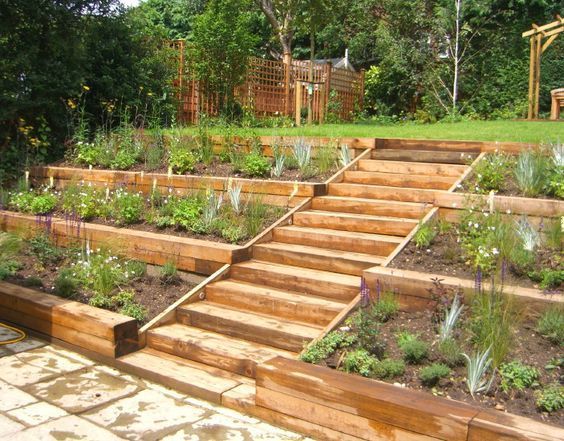
A step garden, also known as a staircase or riser garden, is a vertical gardening technique that involves creating a series of flat platforms or steps to grow plants. These platforms can be made from various materials like wood, stone, or metal, and are typically stacked on top of each other to create a tiered effect. Each step can be planted with different types of plants, creating a visually appealing and functional garden.
Benefits of a Step Garden in Your Backyard
- Space Efficiency: Step gardens allow you to grow more plants in less space, making them ideal for small backyards or urban environments.
- Accessibility: With each step at a different height, step gardens make it easier to tend to your plants, regardless of your physical ability.
- Visual Appeal: The tiered design of a step garden adds depth and dimension to your backyard, creating a stunning visual impact.
- Water Conservation: The tiered design allows water to trickle down from one step to another, reducing water waste and promoting efficient irrigation.
Planning Your Step Garden
Before you start building your step garden, there are a few factors to consider:


Size and Location
Determine the size of your step garden based on the available space in your backyard. Consider the amount of sunlight each area receives and choose a location that offers at least 6-8 hours of sunlight per day for most plants.
Material Selection
Choose a durable, weather-resistant material for your steps, such as cedar wood, stone, or metal. Ensure the material is safe for plant roots and won't leach harmful chemicals into the soil.


Plant Selection
Select plants that thrive in the amount of sunlight your step garden receives. Consider the size and growth habits of the plants to ensure they won't outgrow their space on the steps. Some popular choices for step gardens include herbs, vegetables, flowers, and trailing plants.
Building Your Step Garden
Once you've planned your step garden, it's time to start building. Here's a simple step-by-step guide to help you create your own step garden:
Foundation
Start by preparing the area where your step garden will be located. Remove any grass or weeds and level the ground. If your steps will be heavy, consider pouring a concrete foundation to support their weight.


Building the Steps
Using your chosen material, build the steps according to your design. Ensure each step is level and stable. If using wood, treat the steps with a weather-resistant sealant to protect them from the elements.
Adding Soil and Plants
Fill each step with a well-draining potting mix or a combination of topsoil and compost. Plant your chosen plants, ensuring they have enough space to grow and thrive. Water the plants thoroughly after planting.
Caring for Your Step Garden
Caring for a step garden is similar to caring for any other garden. Here are some tips to help you keep your step garden looking its best:




Watering
Water your step garden regularly, ensuring each step receives an equal amount of water. The tiered design allows water to trickle down from one step to another, but you may need to supplement with additional watering, especially during dry periods.
Fertilizing
Fertilize your step garden with a balanced, slow-release fertilizer according to the package instructions. You may also want to add compost or other organic matter to the soil to improve its fertility and structure.
Pruning and Maintenance
Prune plants as needed to maintain their shape and encourage bushier growth. Remove any dead or dying plants and replace them with new ones to keep your step garden looking its best.
Inspiration and Ideas
If you're looking for inspiration or unique ideas for your step garden, consider these creative designs:
| Design | Description |
|---|---|
| Tiered Wooden Steps | Create a classic, rustic look with wooden steps stained in a natural or dark finish. Plant herbs, vegetables, or flowers in each step. |
| Stone and Metal Combination | Combine stone steps with metal edging for a modern, industrial look. Plant succulents, cacti, or other drought-tolerant plants in each step. |
| Hanging Planters | Incorporate hanging planters into your step garden design for a unique, vertical touch. Hang them from the sides of the steps or from overhead structures. |
| Built-in Benches | Include built-in benches in your step garden design for a functional and inviting space. Plant trailing plants or vines along the edges of the benches. |
Creating a step garden in your backyard is a rewarding project that combines functionality and aesthetics. By following these guidelines and letting your creativity shine, you can transform your backyard into a beautiful, vertical oasis that you'll enjoy for years to come.
Related Articles

"Garden Waterfall & Pond: Transform Your Space into a Serene Oasis"
Transform your garden into a serene oasis with a captivating garden waterfall that cascades into a tranquil pond. This harmonious combination not only enhances...

"Raised Garden Bed Ideas: Transform Your Fence into a Vertical Oasis"
Discover the perfect blend of functionality and aesthetics with our curated list of raised garden bed ideas that seamlessly integrate with your fence. Not only...

"Large Backyard Oasis: Transform Your Space into a Paradise"
Imagine transforming your expansive backyard into a serene retreat, a personal sanctuary where you can relax, entertain, and reconnect with nature. Welcome to...

" How to Transform Your Garden Tub into a Stunning Outdoor Oasis
Transforming your garden into a serene oasis is an art that begins with the right focal point. A garden tub, with its inviting allure, can be that perfect...

"Step-by-Step Guide: Planting Your First Garden"
How to Plant a Garden for Beginners: A Step-by-Step Guide Embarking on your first gardening journey can be an exciting and rewarding experience. With the right...

"Blossoming Beginners: Step-by-Step Guide to Starting Your First Flower Garden"
Embarking on your first flower garden journey can be an incredibly rewarding experience. With the right planning and care, you'll soon be surrounded by a...