"Thatched Cottage: Definition & Charming Examples"
A **thatched cottage** is a charming and traditional type of dwelling, characterized by its distinctive roof made from natural materials such as straw, reeds, or rushes. These structures have a rich history, dating back thousands of years, and are often associated with rural landscapes and picturesque villages. Let's delve into the definition, history, construction, and the appeal of thatched cottages.
Understanding Thatch Cottage Roofs
At the heart of a thatched cottage lies its unique roof. The term 'thatch' refers to the process of covering a roof with vegetation, typically in layers, to create a waterproof barrier. The materials used can vary greatly depending on the region and availability, but they often include:
- Straw: Often used in the UK and the Netherlands, it's lightweight and provides good insulation.
- Reeds: Commonly found in coastal areas, reeds are durable and resistant to saltwater.
- Rushes: Similar to reeds, rushes are used in many parts of Europe and provide excellent insulation.
- Palm fronds: In tropical regions like the Caribbean and parts of Africa, palm fronds are used for thatching.
Historical Significance of Thatch Cottages
Thatch has been used as a roofing material since Neolithic times. It was a practical solution for early settlers who needed to build homes quickly and using locally available materials. The practice of thatching continued throughout the Middle Ages and into the modern era, with many thatched cottages still standing today.


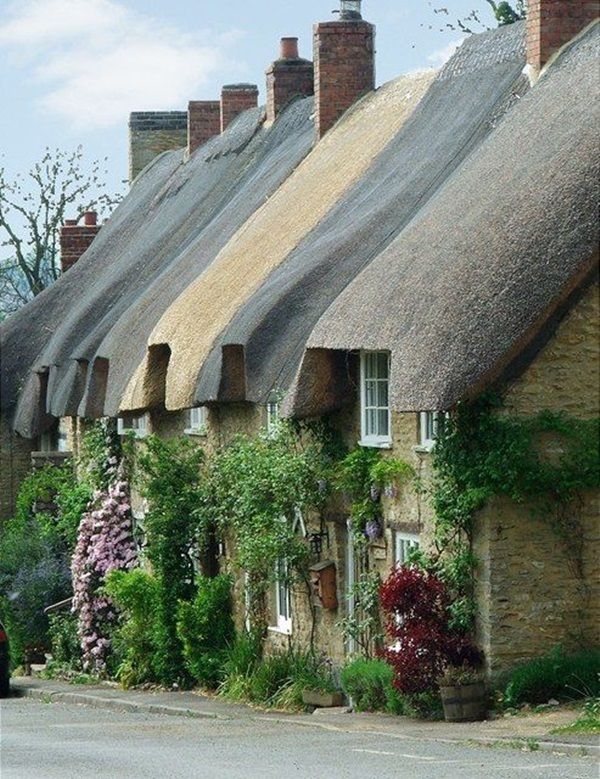
In the UK, for instance, thatched roofs can be found on many historic buildings, including churches and manor houses. The thatched cottage is often seen as a symbol of English countryside, with its rustic charm and connection to the land.
Constructing a Thatch Cottage Roof
The process of thatching a roof involves several steps. First, a layer of waterproof material, such as felt or tar paper, is laid over the roof structure. Then, the thatching material is tied onto this base layer, starting at the bottom of the roof and working upwards. Each layer is laid at a 45-degree angle to the one below it, creating a sturdy, overlapping pattern.


Traditional thatching techniques require skill and craftsmanship. In some regions, these techniques have been passed down through generations. Today, there are also professional thatchers who maintain and repair these roofs.
Advantages and Disadvantages of Thatch Cottages
Thatch cottages offer several advantages. They are often more energy-efficient than modern roofs, providing excellent insulation in both winter and summer. They also blend seamlessly with their surroundings, contributing to the aesthetic appeal of rural landscapes.
However, thatched roofs also have their downsides. They require regular maintenance and can be more susceptible to damage from fire, wind, and heavy rain. They also attract wildlife, which can sometimes lead to infestations or damage to the roof.


Thatch Cottage Preservation and Modern Use
Despite these challenges, thatched cottages remain popular today. Many people choose to live in them for their unique character and charm. Others restore historic thatched cottages as a way of preserving local history and heritage.
In some places, thatching is also making a comeback as a sustainable building material. As people seek to reduce their environmental impact, natural, renewable materials like straw and reeds are becoming more appealing.
In conclusion, thatched cottages are more than just homes; they are living pieces of history, offering a unique blend of tradition, charm, and sustainability. Whether you're an admirer from afar or a proud owner, there's no denying the allure of these distinctive dwellings.


Related Articles

"Country Cottage Names: Charming Ideas for Your Cozy Home"
Nestled in the heart of the countryside, a country cottage is more than just a home; it's a sanctuary, a retreat from the hustle and bustle of city life. One...

"English Cottage Interior Design: Cozy & Charming Ideas"
Nestled in the heart of the English countryside, charming cottages have long been a symbol of rustic charm and cozy living. The English cottage design...

"Cottage Decor: Cozy & Charming Homes"
Embracing Charm: The Allure of Cottage Decorated Homes In the realm of interior design, few styles evoke warmth, nostalgia, and a sense of belonging quite like...

"Small Country Cottage Ideas: Cozy & Charming Designs"
Nestled in the heart of scenic landscapes, small country cottages offer a charming and cozy retreat from the hustle and bustle of modern life. If you're...

"Cottage Core Home Decor: Cozy & Charming Ideas"
Nestled in the heart of the internet, a charming aesthetic has taken root, blossoming into a full-fledged interior design movement: Cottage Core. This style...

"Modern Home: Definition & Examples"
When it comes to contemporary residential architecture, the term "modern style house" is often used, but it can be a bit misleading. Modern style houses are...