Tiered Gardens: Transform Your Space with Stunning Vertical Design
Tiered gardens, also known as raised bed gardens or stepped gardens, are a visually appealing and functional landscaping feature that has gained significant popularity in recent years. These gardens are characterized by their stepped or terraced design, which allows for efficient use of space and easy access to plants. In this article, we will explore the benefits, design ideas, and maintenance tips for tiered gardens.
Benefits of Tiered Gardens
Tiered gardens offer numerous advantages that make them an attractive choice for both residential and commercial properties.
- Space Efficiency: Tiered gardens allow you to grow more plants in a smaller area, making them ideal for urban gardens or properties with limited space.
- Accessibility: The stepped design makes it easy to reach plants, reducing the need for bending or kneeling, which can be beneficial for those with mobility issues or back problems.
- Water Conservation: The tiered design allows for better water control, as water can be directed to specific areas, reducing waste and promoting efficient water use.
- Drainage: Tiered gardens promote better drainage, preventing waterlogging and reducing the risk of root rot.
- Visual Appeal: Tiered gardens add a unique and attractive element to any landscape, enhancing curb appeal and creating a focal point in your garden.
Design Ideas for Tiered Gardens
When designing a tiered garden, there are several factors to consider, including the size and shape of the tiers, the materials used, and the plants you want to grow.


Size and Shape
The size and shape of your tiers will depend on the available space and the plants you want to grow. Tiers can be rectangular, square, or circular, and can range in height from a few inches to several feet. It's essential to consider the height and width of the plants you want to grow when determining the size and shape of your tiers.
Materials
Tiered gardens can be constructed from a variety of materials, including wood, stone, metal, or composite materials. The material you choose will depend on your budget, the aesthetic you want to achieve, and the durability of the material. It's important to choose a material that is durable, easy to maintain, and compatible with the plants you want to grow.


Plants
When selecting plants for your tiered garden, consider the height, width, and light requirements of each plant. Taller plants should be placed in the back or on lower tiers, while shorter plants can be placed in the front or on higher tiers. Additionally, consider the light requirements of each plant, as some plants may require more or less light than others.
Maintaining Your Tiered Garden
With proper maintenance, your tiered garden can thrive for years to come. Here are some tips for maintaining your tiered garden:
Watering
Watering is essential for the health of your plants, but it's important not to overwater or underwater your plants. The tiered design of your garden can help with water control, but it's still important to monitor your plants for signs of water stress, such as wilting or yellowing leaves.


Soil Management
Healthy soil is essential for the growth of your plants. Regularly test your soil pH and nutrient levels, and amend the soil as needed. Additionally, consider using raised beds or containers to improve soil drainage and prevent waterlogging.
Pruning and Weeding
Regular pruning and weeding are essential for maintaining the health and appearance of your tiered garden. Prune plants as needed to encourage bushiness and remove dead or diseased foliage. Weed regularly to prevent weeds from competing with your plants for nutrients and water.
Pest and Disease Management
Pests and diseases can damage or destroy your plants if left untreated. Regularly inspect your plants for signs of pests or disease, and treat accordingly. Consider using organic or chemical-free methods to control pests and diseases, as these can be safer for the environment and your plants.
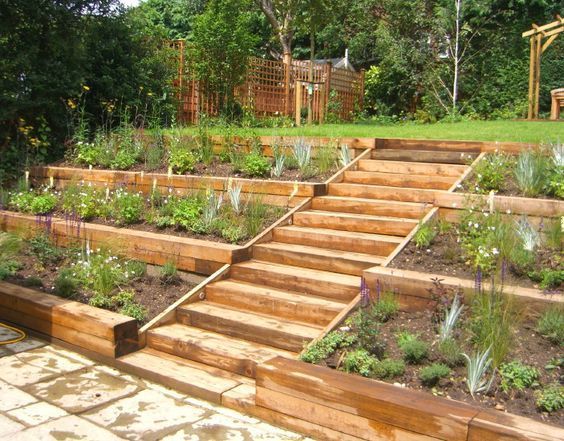


In conclusion, tiered gardens are a visually appealing and functional landscaping feature that offers numerous benefits, including space efficiency, accessibility, water conservation, and improved drainage. When designing and maintaining your tiered garden, consider the size and shape of the tiers, the materials used, and the plants you want to grow. With proper care and maintenance, your tiered garden can thrive for years to come, providing you with a beautiful and functional outdoor space.
Related Articles

Tiered Garden Ideas UK: Transform Your Space with Stunning Vertical Designs
Transform your outdoor space with stunning tiered garden ideas UK . Tiered gardens, also known as raised bed gardens or stepped gardens, are not only visually...

"Pothos Wall Ideas: Transform Your Space with Stunning Vertical Gardens"
Transform your space with the lush, cascading beauty of Pothos (Epipremnum aureum), a hardy, low-maintenance plant that's perfect for vertical gardening. With...

"Balcony Greenery: Transform Your Space with Vertical Gardens"
Transform your outdoor space into a lush, green oasis with a balcony greenery cover. This innovative solution not only enhances the aesthetic appeal of your...

"Tiered Backyard Landscaping: Transform Your Space with Stunning Levels"
Tiered Backyard Landscaping: Transform Your Space Elevate Your Backyard: The Art of Tiered Landscaping Tiered backyard landscaping, also known as multi-level...

"Terraced Garden with Steps: Transform Your Space with Stunning Tiered Designs"
Nestled in the heart of many landscapes, terraced gardens with steps offer a captivating blend of functionality and aesthetics. These tiered gardens not only...

"Hallway Patterned Vinyl Flooring: Transform Your Space with Stunning Designs"
Transform your home's entryway into a welcoming space with hallway patterned vinyl flooring. This durable, stylish, and low-maintenance flooring option is...