"Types of Modern Interior Design: A Comprehensive Guide"
In the ever-evolving world of home design, modern interior design has emerged as a broad and dynamic category, encompassing a multitude of styles that cater to various tastes and lifestyles. This article delves into the most prominent types of modern interior design, providing you with a comprehensive guide to help you find the perfect aesthetic for your space.
Understanding Modern Interior Design
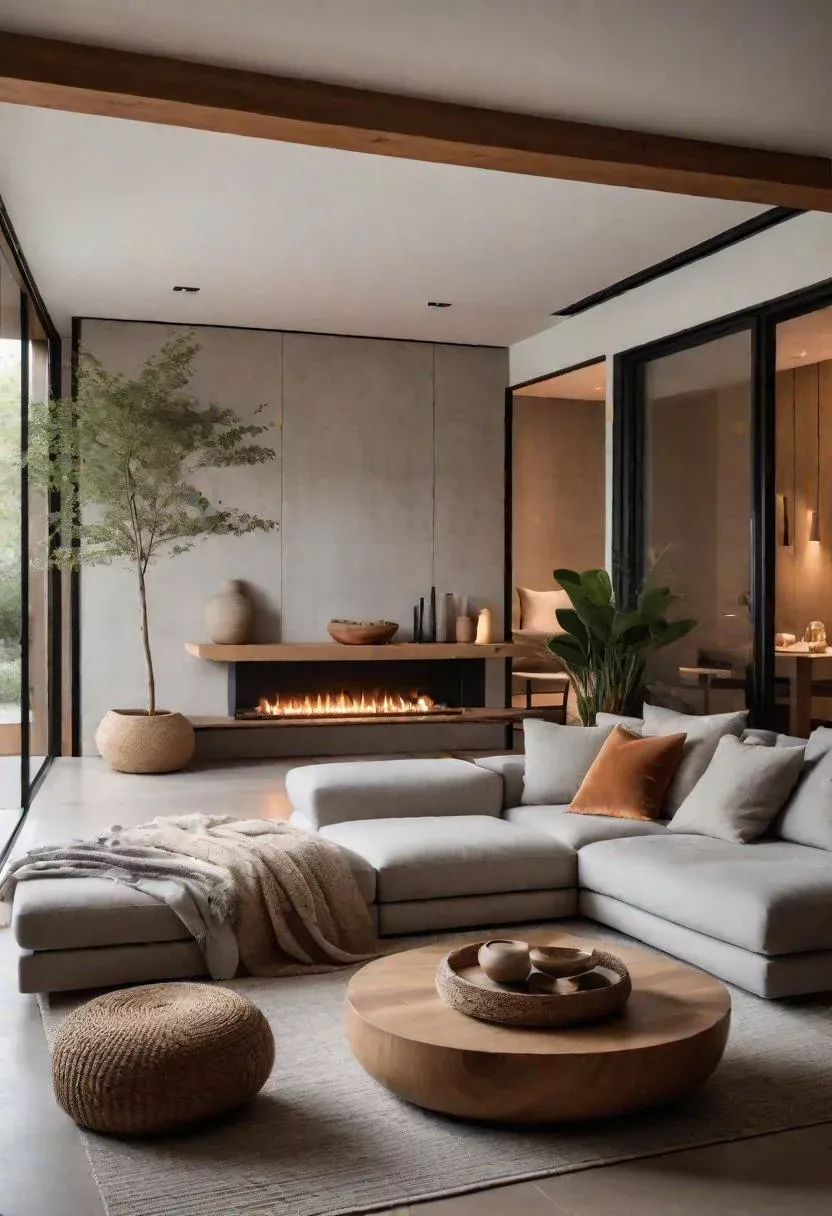
Before we dive into the different types, let's establish a common understanding of modern interior design. This style is characterized by simplicity, functionality, and an emphasis on natural light. It often incorporates clean lines, neutral colors, and a blend of materials like wood, metal, and glass. Modern design is not bound by a specific time period but rather by a philosophy that prioritizes innovation, minimalism, and a connection to nature.
Minimalist Design: Less is More
Minimalist design is perhaps the most iconic representation of modern interior design. This style embraces simplicity and functionality, with an emphasis on clean lines, open spaces, and a lack of clutter. A minimalist interior is characterized by a neutral color palette, simple furniture, and the absence of unnecessary decorative elements. The focus is on creating a calming, serene environment that allows for relaxation and contemplation.


- Key elements: Neutral colors, clean lines, simple furniture, lack of clutter
- Inspiration: Japanese design, Scandinavian design
Mid-Century Modern: A Blast from the Past
Mid-century modern design is a style that originated in the mid-20th century, characterized by its emphasis on functionality, simplicity, and the use of new materials like plastic and plywood. This style is known for its iconic furniture designs, such as the Eames chair and the Noguchi coffee table. Mid-century modern interiors often feature a blend of wood, metal, and glass, with a color palette that ranges from earthy tones to bold, vibrant hues.
- Key elements: Organic shapes, wood and metal materials, bold colors
- Inspiration: The work of designers like Charles and Ray Eames, Arne Jacobsen, and Eero Saarinen
Industrial Design: Raw and Rustic
Industrial design takes its cues from factories and warehouses, incorporating raw materials like brick, concrete, and metal into the interior. This style is characterized by its open floor plans, high ceilings, and the use of exposed structural elements. Industrial interiors often feature a blend of vintage and modern furniture, with a color palette that ranges from neutrals to dark, moody hues.


- Key elements: Raw materials, open floor plans, exposed structural elements
- Inspiration: Warehouses, factories, lofts
Biophilic Design: Bringing Nature Indoors
Biophilic design is a modern interior design trend that seeks to connect people with nature, both directly (through natural elements like plants and water) and indirectly (through natural forms and patterns). This style is characterized by its use of natural materials, abundant greenery, and a focus on creating a sense of spaciousness and lightness. Biophilic interiors often feature large windows, skylights, and the strategic use of plants to improve air quality and create a sense of tranquility.
- Key elements: Natural materials, abundant greenery, natural light
- Inspiration: The natural world, sustainable design principles
Scandinavian Design: Cozy and Minimal
Scandinavian design is a modern interior design style that originated in the Nordic countries, characterized by its emphasis on simplicity, functionality, and a connection to nature. This style is known for its use of light, neutral colors, natural materials, and clean lines. Scandinavian interiors often feature a blend of minimalist and cozy elements, with a focus on creating a warm, inviting space that is both functional and aesthetically pleasing.
- Key elements: Neutral colors, natural materials, clean lines, cozy textures
- Inspiration: The natural landscapes of Scandinavia, traditional Nordic design
Comparing Modern Interior Design Styles
Here's a quick comparison of the modern interior design styles we've discussed, to help you identify the one that best suits your taste and lifestyle:


| Style | Color Palette | Materials | Focus |
|---|---|---|---|
| Minimalist | Neutral | Simple, functional furniture | Simplicity, functionality, lack of clutter |
| Mid-Century Modern | Earthy tones to bold hues | Wood, metal, glass | Functionality, simplicity, organic shapes |
| Industrial | Neutrals to dark, moody hues | Brick, concrete, metal | Raw, rustic, open floor plans |
| Biophilic | Natural, earthy tones | Natural materials, abundant greenery | Connection to nature, natural light, air quality |
| Scandinavian | Light, neutral | Natural materials, clean lines | Simplicity, functionality, cozy textures |
In conclusion, modern interior design is a broad and diverse category that encompasses a multitude of styles, each with its unique characteristics and aesthetic appeal. By understanding the key elements and inspiration behind each style, you can make an informed decision about which modern interior design style best suits your needs and preferences.




Related Articles

"Types of Flower Bed Designs: A Comprehensive Guide"
Types of Flower Bed Design Creating a visually appealing garden is an art that involves careful planning and execution. One of the most effective ways to...
Mid-Century Interior Design: A Comprehensive Guide
Mid-century modern interior design, a term coined by Cara Greenberg in her 1984 book "Mid-Century Modern: Furniture of the 1950s," refers to the design...

"Types of Modern Beds: A Comprehensive Guide"
Types of Modern Beds In the world of home decor, one piece of furniture stands out as a symbol of comfort and style: the bed. Modern beds today come in a...

"Types of Modern Siding: A Comprehensive Guide"
In the world of home improvement, the exterior siding you choose can significantly impact your home's curb appeal, energy efficiency, and durability. Modern...

"Mountain Modern Living Room: Cozy & Stylish Interiors"
Embracing the Great Outdoors: Mountain Modern Interior Design in the Living Room The fusion of rustic charm and contemporary elegance, mountain modern interior...

Mountain Modern Interior Design: Blending Nature & Sleek Style
Nestled in the heart of the great outdoors, mountain modern interior design style seamlessly blends the rugged beauty of nature with contemporary, sleek...