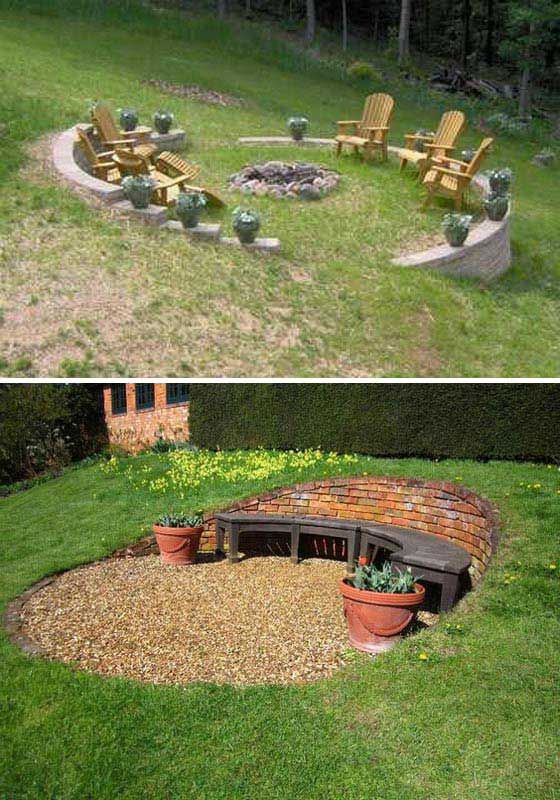
very steep backyard

"Transform Steep Backyard into Dreamy Oasis"

By Nicole Harris
AD

Transforming a **very steep backyard** into a functional and beautiful space can seem like a daunting task, but with the right approach, it's absolutely achievable. Steep slopes present unique challenges, but they also offer opportunities to create stunning, one-of-a-kind landscapes. This guide will walk you through the process of tackling your steep backyard, from understanding the terrain to designing and implementing a practical and visually appealing layout.

Understanding Your Steep Backyard: Types and Challenges

Steep backyards can be categorized into two main types based on their slope:

  • Moderately Steep (15-30 degrees): These backyards have a noticeable incline but are still manageable for most people.
  • Very Steep (30 degrees and above): These backyards have a significant slope and may require specialized solutions for safe and effective use.

Regardless of the type, steep backyards present several challenges, including:

AD
19 Budget Sloped Yard Transforms You Can DIY Today
Best - 🏡 How to Safely Expand a Yard on Sloped Property The illustration highlights two very different approaches to extending a backyard on a sloped or uneven lot. Its purpose is to clearly show why improper methods are unsafe and ineffective—and why a properly engineered retaining wall is essential for creating a usable outdoor space. ❌ The Wrong Approach: Ignoring Structural Support The upper portion of the image demonstrates a risky and ineffective way to deal with steep terrain. Situation: A home sits at the top of a sharply angled hillside. Objective: The goal is to gain more usable yard space by filling the slope. What Goes Wrong: The slope remains steep and unsupported. People standing on it are shown struggling to maintain their balance, with one figure slipping downhill. Visual Warning: A bold red “X” and alert symbols emphasize that this method is unsafe and should be avoided. Key Message: Simply adding dirt or leaving a steep grade untouched creates a hazardous environment. The land remains unstable and cannot function as a safe or practical yard. ✅ The Right Solution: Building for Stability and Usability The lower section of the image presents the correct, professional method for transforming a slope into functional outdoor space. The Fix: The hillside is reshaped using a solid retaining wall system. Critical Features Shown: Retaining Wall: Constructed from durable blocks or stone, anchored with a deep concrete foundation. Proper Drainage: Gravel and aggregate layers behind the wall help manage water and prevent pressure buildup. Backfill: Soil is carefully placed behind the wall to form a broad, level surface. Positive Outcome: The once-steep hill becomes a flat lawn area suitable for everyday use. Real-Life Use: The space is shown as an inviting outdoor living area, complete with seating and a fire pit, illustrating comfort, safety, and functionality. Visual Confirmation: A large green checkmark reinforces that this is the correct approach. 📝 Overall Takeaway This visual acts as a clear comparison between unsafe shortcuts and proper construction practices. Objective: Expand a backyard on sloped terrain. Lesson Learned: Slopes left unsupported—or filled without reinforcement—are unstable and dangerous. To safely create a level yard, soil must be retained with a well-designed retaining wall that includes proper footing and drainage. Bottom line: A professionally built retaining wall isn’t just an upgrade—it’s the only reliable way to turn a sloped property into a safe, usable, and enjoyable outdoor space. #fblifestyle | Facebook
32 Best Hillside Landscaping Ideas on a Budget
  • Erosion and water runoff
  • Limited space for traditional landscaping features
  • Safety concerns, such as slips and falls
  • Difficulty in maintaining the space

Assessing Your Backyard: Essential Measurements and Considerations

Before you start planning, it's crucial to gather detailed information about your backyard:

  1. Measure the slope's angle using a clinometer or a simple DIY tool.
  2. Identify any existing features, such as trees, rocks, or drainage issues.
  3. Consider your budget, time frame, and desired functionality (e.g., seating area, garden, play space).
  4. Check local building codes and homeowners association rules regarding backyard alterations.

Designing Your Steep Backyard: Ideas and Layouts

With your measurements and considerations in mind, it's time to brainstorm design ideas. Here are some strategies to make the most of your steep backyard:

Taming the Slope: Landscaping Ideas for a Steep Hill
the words ideas to transform sloped yard on a budget are overlaid by purple flowers
Hillside Oasis in Woodland Hills, CA

Terraces and Retaining Walls

Creating terraces using retaining walls can transform your steep backyard into a series of flat, usable spaces. This approach helps control erosion, improves drainage, and adds visual interest. Choose from various wall materials, such as wood, stone, or composite, to match your home's aesthetic.

Stairs and Pathways

Installing stairs or meandering pathways can make your backyard more accessible and inviting. Opt for materials that provide good traction, like stone or composite, to ensure safety. Consider incorporating landings or seating areas along the route for rest and enjoyment.

AD

Hillside Gardens and Planting

Steep slopes can be perfect for hillside gardens, showcasing a variety of plants and creating a lush, verdant backdrop. Choose plants that thrive in your climate and complement your home's style. Consider using native plants to support local wildlife and reduce maintenance requirements.

15 Best Steep Hill Landscaping Ideas for a Sloped Backyard in 2025 2025 - Rooted Revival
Christian Douglas Design | Landscape Architect San Francisco Bay AreaChef's Garden | Discover, Design, Dine—Explore Now — Christian Douglas Design
17+ Sloped Backyard Ideas for Uneven Landscapes
an outdoor fire pit surrounded by lawn furniture
30 Sloped Backyard Ideas That Solve Tough Spaces
a garden with stone steps leading up to the house

Outdoor Structures and Features

Elevate your backyard with structures like decks, patios, or even a treehouse. These features can provide additional living space and enhance your enjoyment of the outdoors. Be sure to consider the structural integrity and safety of any additions to your steep backyard.

Implementing Your Design: Tips and Best Practices

Once you've finalized your design, it's time to bring your vision to life. Here are some tips to ensure a successful implementation:

AD
  • Hire professionals for complex tasks, such as building retaining walls or installing irrigation systems.
  • Prioritize safety by addressing any potential hazards, like unstable soil or sharp drop-offs.
  • Phase your project to manage costs and workload.
  • Regularly maintain your backyard to keep it looking its best and functioning properly.

Inspiration and Resources

For more ideas and guidance, explore online resources, such as landscaping websites, blogs, and social media platforms. You can also consult local landscape architects or garden designers for personalized advice tailored to your specific backyard.

30 Stunning Sloped Backyard Ideas on a Budget for Smart Owners - We Love Home Blog
Steep Slope Landscaping: Terraced Gravel Steps
a back yard with a table and chairs in the foreground before and after remodeling
Gardening Education
Gardening Education
10 Sophisticated Sloped Yard Patio Ideas that Make Every Inch Count
Landscaping a Sloped Backyard on a Budget
17+ Creative Sloped Backyard Landscaping Ideas
Creative Sloping Garden Decking Ideas You’ll Love
Landscaping Sloped Backyard on a Budget (85 Creative Ideas that would not Break the Bank)
two pictures side by side one shows a fire pit and the other shows an outdoor seating area

Transforming a **very steep backyard** into a beautiful and functional space requires careful planning, creativity, and a willingness to embrace the unique challenges that steep slopes present. By following the steps outlined in this guide, you'll be well on your way to creating a stunning outdoor oasis that you and your family can enjoy for years to come.

AD